Bello Mohammed
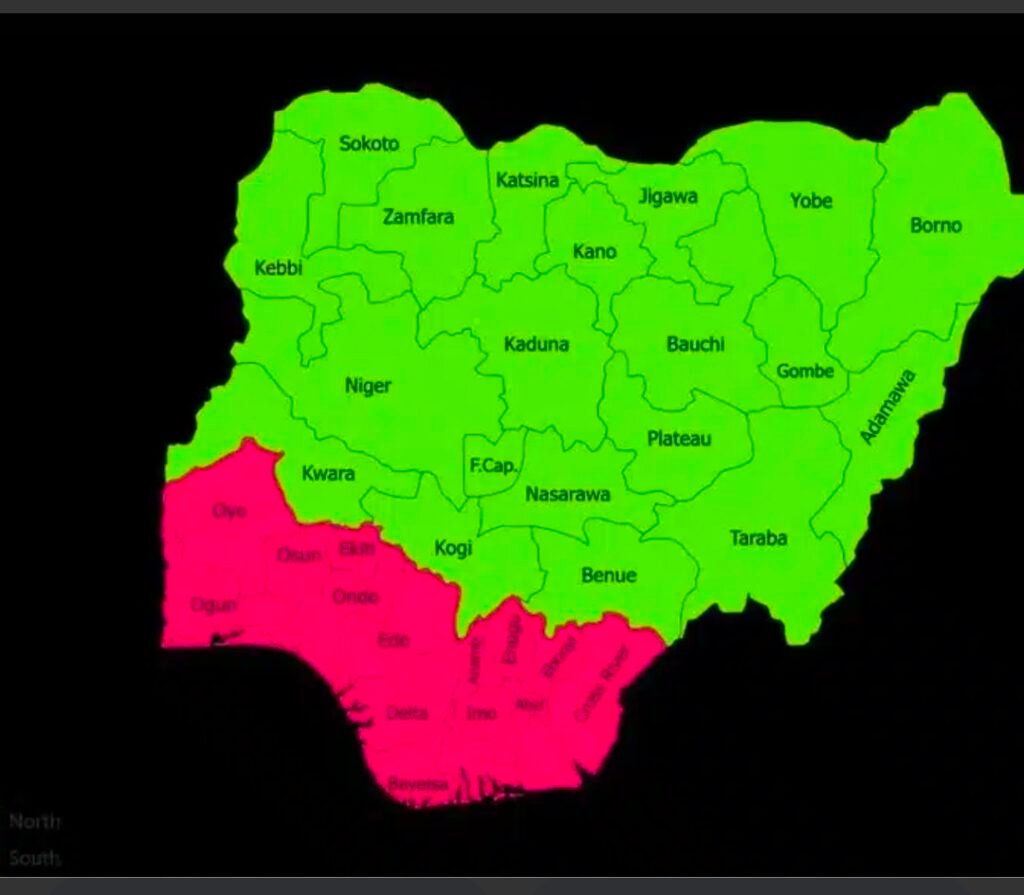
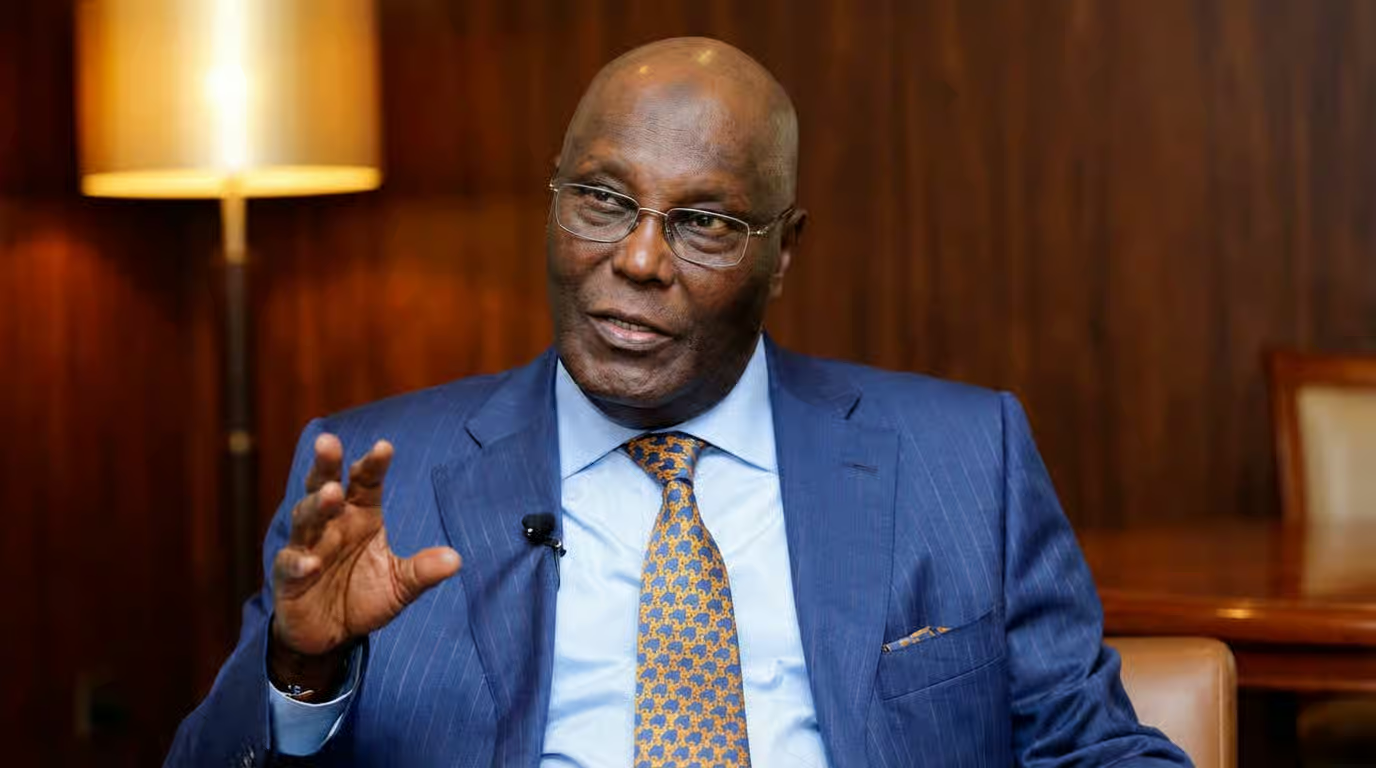
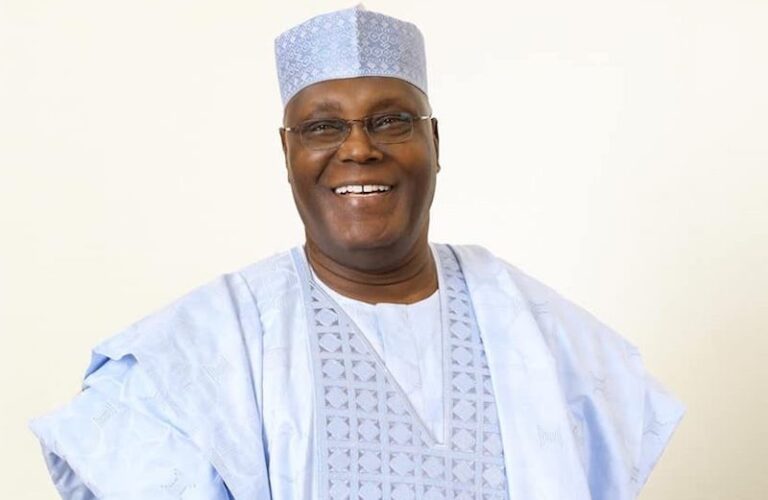
The 2027 presidential election presents the people of Northern Nigeria with a historic opportunity to think strategically about their political future. The North must recognise the importance of solidarity, unity and political organisation. If other regions can rally around candidates from their own zones, there is nothing wrong with the North doing the same. The question before the Northern voter is simple: who among the major contenders represents the strongest Northern presidential option? My answer is Atiku Abubakar.
In the 2023 presidential election, Peter Obi enjoyed remarkable support across the Southeast, where many voters rallied behind his candidacy because he is their own. The region demonstrated the power of collective voting and regional solidarity. The North should learn from that experience, not with bitterness or hostility towards any part of Nigeria, but with an understanding that political power is ultimately shaped by organisation, numbers and the ability of voters to act with a common purpose.
The 2027 election will again require Nigerians to make a serious choice. If the Southeast intends to consolidate its support for Peter Obi because he is their son, Northern voters must equally ask themselves whether they are prepared to support their own son, Atiku Abubakar, a man who has spent decades participating in national politics and who today is most ready amongst all the presidential candidates. The North should not approach this election as a spectator. It should approach it as a region with a legitimate stake in the presidency of Nigeria.
But this is not merely about regional sentiment. The North does not need another vice president. The North needs a president. Atiku Abubakar has already demonstrated that he understands the responsibilities of the vice presidency. What he seeks now is the opportunity to lead Nigeria as President. After years of seeking the highest office, he deserves to be judged by his experience, competence, national outlook and capacity to govern. There is also an important political lesson in the changing relationships among the opposition figures. Rabiu Musa Kwankwaso once made it clear that he could not serve as Peter Obi’s running mate in 2023. Yet political circumstances have changed, and Kwankwaso is Obi’s vice presidential running mate in 2027. Such development reminds voters that political alliances are often driven by interests and calculations. The Northern electorate must therefore look beyond personalities and temporary political arrangements and ask: who is actually seeking the presidency, and who is prepared to govern Nigeria?
I would caution Northern voters against assuming that every political alliance is automatically designed to advance Northern interests. Peter Obi and Rabiu Musa Kwankwaso may have their own political calculations, and some may interpret their present alignment as indirectly benefiting Bola Tinubu. That is a political argument that should be examined carefully. The North must be politically vigilant. It must distinguish between subterfuge, genuine presidential ambition, tactical alliances and political strategies that could ultimately divide the opposition vote.
The North must also remember that Nigeria is bigger than ethnicity, religion and region. Supporting Atiku Abubakar does not mean rejecting Peter Obi, Bola Tinubu or any other Nigerian. It means making a political choice. It means saying that after carefully considering the alternatives, the Northern electorate believes one of its own has the experience, national reach and political maturity necessary to lead the country. We can disagree without hatred, and we can campaign vigorously without turning politics into personal bitterness.
Atiku’s greatest political strength is that his political network extends far beyond the North. He has contested presidential elections nationally, built relationships across the six geopolitical zones and served Nigeria at high levels of government. The North should therefore not merely see him as a Northern candidate. It should see him as a Northern son capable of becoming a Nigerian president. That distinction is important because the presidency requires someone who can bring Nigerians together rather than deepen existing divisions.
The Northern States must therefore begin a serious conversation about 2027. From the Northwest to the Northeast and North Central, voters should ask themselves what political outcome best serves their children, their businesses, their farmers, their young people and their future. They should examine the records and programmes of all candidates, reject empty promises and resist manipulation. But if, after that examination, they conclude that Atiku Abubakar is the best choice, then they should have the courage to vote decisively for him.
Finally, the message to the North is one of unity, vigilance and political maturity. Do not allow yourselves to become instruments in another person’s political calculation. Do not settle permanently for the role of producing vice presidents when you have qualified sons capable of seeking the presidency. The Southeast demonstrated in 2023 what organised regional political support can achieve. Today, the narrative is that the Southeast is locked down for Peter Obi. The Southwest is locked down for Bola Ahmed Tinubu. The North is a scavenging field where our people are deceived with Greek gifts to our poor masses and religious leaders, for our votes. We must lock down the North for our own son, Atiku Abubakar, who is not only contesting, but has told Nigerians his policy thrust if elected. The North must now decide what it wants to achieve in 2027. If the North wants one of its sons in Aso Rock, then the time to unite behind that aspiration is now.