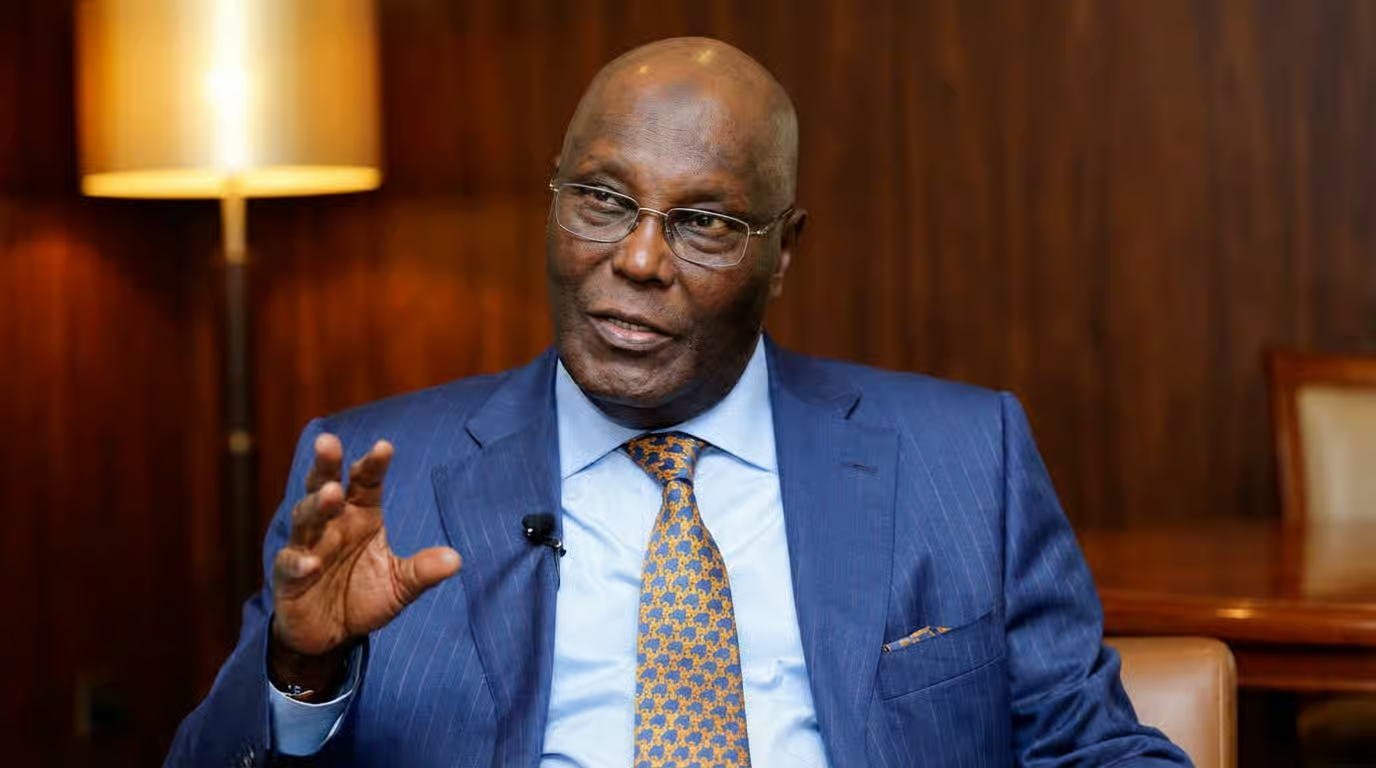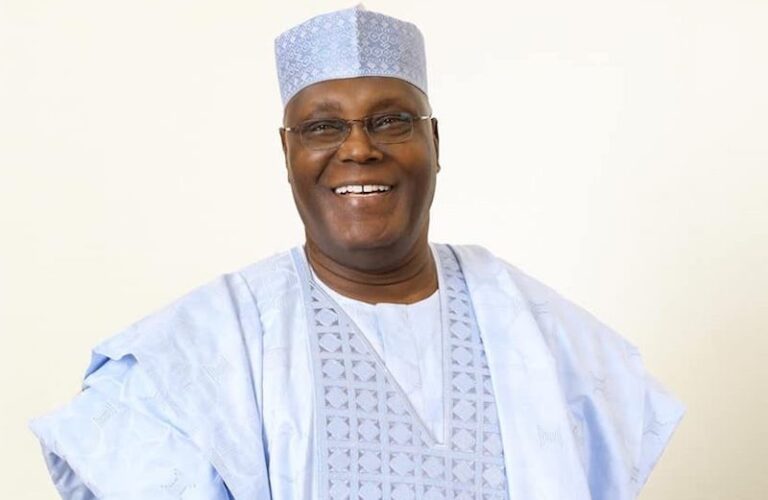
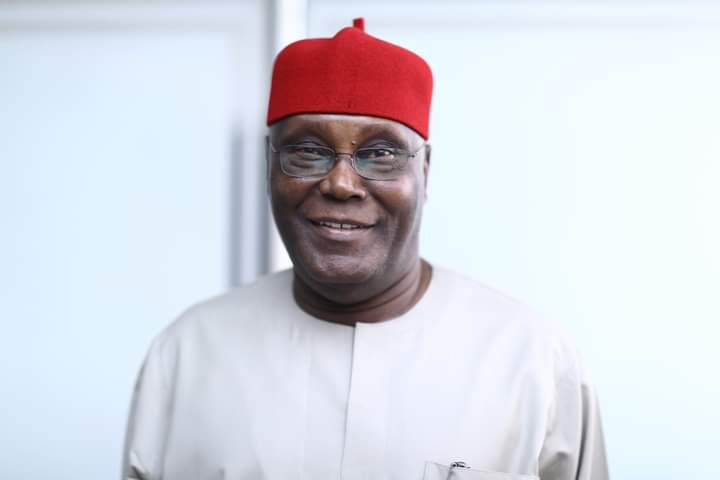
H.E. Atiku Abubakar remains the opposition’s strongest national figure, distinguished by unmatched name recognition, a truly national political machinery, and deep-rooted cross-country networks. In Nigerian politics, national leadership is not earned through buzz, social media excitement, or regional dominance. It is earned through coalition-building across the country, experience, restraint, and repeated testing on a genuinely national stage. By these standards, Atiku Abubakar stands out as the opposition’s most consistent, popular, and justified leader.
Twice within four years, Atiku secured the presidential ticket of the People’s Democratic Party under intensely competitive circumstances. In 2019, he emerged from a bruising primary election in Port Harcourt with 1,532 of 3,274 votes, defeating a field dominated by sitting governors and entrenched power blocs. In 2023, amid generational agitation and shifting political alliances, he again prevailed in Abuja with 371 of 763 votes. Winning a major party’s presidential primary once is difficult; winning it twice, across different political eras, is proof of enduring national relevance and internal party confidence.
Beyond party contests, Atiku has consistently demonstrated broad national acceptance at the general election level. In 2019, he challenged a sitting president and secured over 12 million votes nationwide, with substantial evidence suggesting that the final outcome did not fully reflect the will of the electorate. In 2023, despite the full weight of incumbency and state machinery, he again finished second with about seven million votes, winning pluralities across more than 21 states. Even this outcome, it was clear was contrived and orchestrated to hand over victory to the incumbent party candidate by default.These outcomes were not accidents of party structure; they reflected a national political footprint that cuts across regions, religions, and social divides.
Crucially, Atiku’s credibility is reinforced by executive experience and political maturity. As Vice President of Nigeria from 1999 to 2007, he was far from a ceremonial figure. He played a central role in economic reforms, privatization, and institutional rebuilding during Nigeria’s return to democratic rule. Few figures in today’s opposition can speak with comparable authority about the workings of the federal executive, intergovernmental relations, and national economic management.
Critics often raise age as a reason for Atiku Abubakar to step aside. At 79, the argument goes, the demands of the presidency may be excessive. Yet this claim collapses under scrutiny. Age, by itself, is not a disqualifier in democratic leadership; capacity is. By all observable standards, Atiku has consistently demonstrated exceptional agility, physical stamina, intellectual vigor, and clarity of mind. His campaign schedules, extended public engagements, policy articulation, and responsiveness to national issues show no evidence of mental or physical slack.
Global politics offers clear precedents. Leaders such as Donald Trump, well into their late seventies, continue to command political movements and seek executive office without credible evidence of incapacity. In Atiku’s case, there has been no medically grounded or empirically observable basis for calls demanding withdrawal on account of age. What matters in leadership is not the number of years lived, but the strength of judgment, decisiveness, and presence of mind—qualities Atiku has repeatedly displayed.
Equally significant is Atiku’s consistent commitment to party unity and democratic discipline—an increasingly rare virtue in Nigerian politics. In 1992, he stepped down from the SDP presidential race to support Chief M.K.O. Abiola in the interest of party cohesion and national stability. In 2011, after losing the PDP presidential primary, he rallied behind President Goodluck Jonathan rather than undermine the party. In 2015, following his loss in the APC primaries, he again chose loyalty over grievance by supporting Muhammadu Buhari, even at considerable personal political cost.
This record stands in sharp contrast to the conduct of many political actors who, upon losing primaries, become inconsolable—working quietly or openly against their parties through anti-party activities, sabotage, and protest politics. Atiku’s history reflects a statesman who understands that democracy is sustained not by perpetual ambition per se, but by respect for process, institutions, and collective purpose.
It is also worth stating plainly that winning a PDP presidential primary is often more difficult than many state-level elections. Atiku has repeatedly confronted governors, incumbents, and entrenched internal coalitions—and prevailed. These are contests fought on a national chessboard, not local drafts.
State victories and regional dominance may generate headlines, but they do not equate to nationwide acceptance. Until alternative contenders demonstrate the capacity to secure a major party’s ticket, confront incumbency at the national level, and attract millions of votes across Nigeria, comparisons with Atiku Abubakar remain premature.
Atiku Abubakar is not defined by parochial triumphs or fleeting popularity. He is measured by executive experience, party loyalty, national reach, mental acuity, and performance under pressure. By these standards, he remains the opposition’s most tested, most stabilizing, and most formidable standard-bearer—and, for the ADC coalition, the best foot forward.
Alex Ter Adum, Ph.D
DDG, The Narrative Force