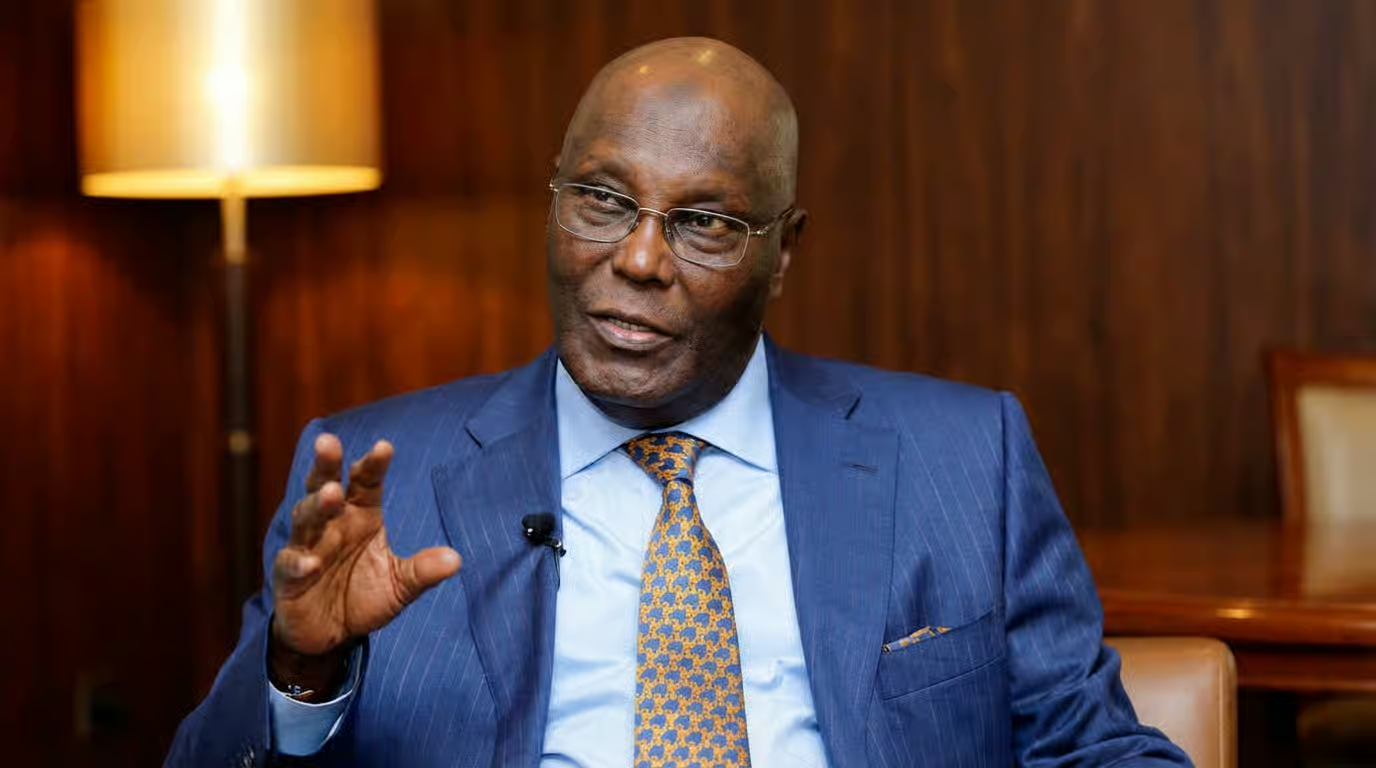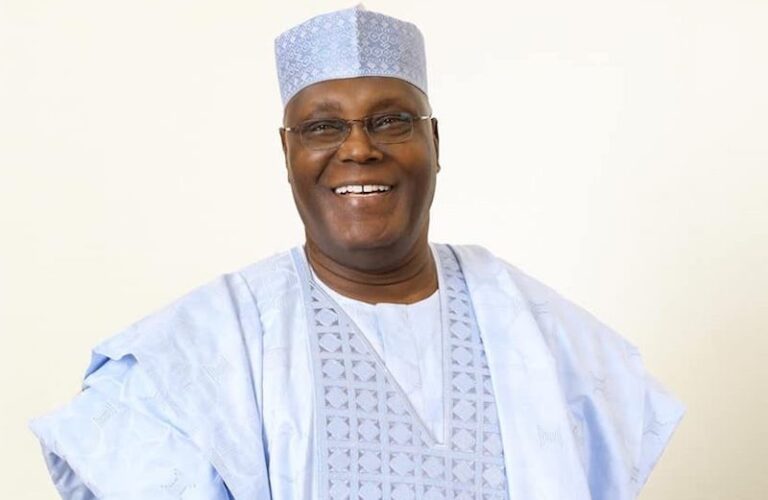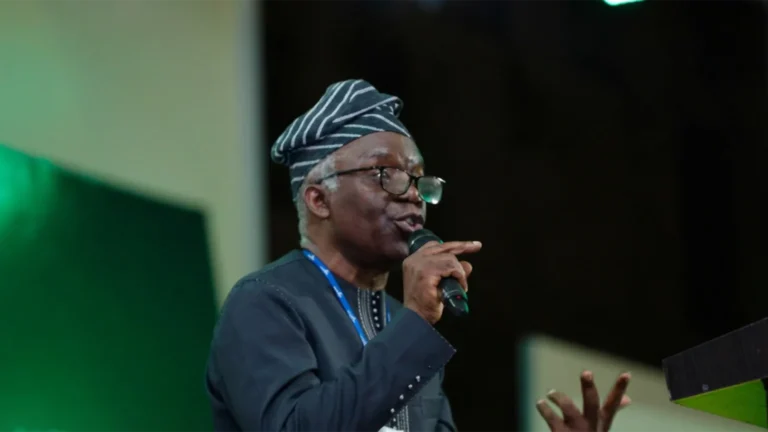

It is deeply disappointing to witness the Attorney-General of the Federation, a Senior Advocate of Nigeria, allowing himself to be drawn into a matter that many Nigerians believe has no legal or constitutional merit.
As the nation’s Chief Law Officer, Chief Lateef Fagbemi, SAN, occupies an office that demands impartiality, independence, and an unwavering commitment to the rule of law. Those of us who have admired his distinguished legal career expected him to remain above partisan considerations and to uphold the principles that have earned him respect within, and outside the legal profession.
It is also disheartening that someone who once sat in the hallowed chambers of the National Assembly, could masquerade as representing the wishes of past members, in advocating for the de-registration of some political parties. I was a senator of the 6th and 7th Senate, and was never invited, along with many others, to any meeting of ex-legislators where such a decision was discussed and taken. History of the National Assembly will definitely be unkind to such undemocratic men and women.
History offers an important lesson. President Goodluck Jonathan, despite being the leader of the Peoples Democratic Party (PDP), permitted the Independent National Electoral Commission (INEC) to register the coalition of the Action Congress of Nigeria (ACN), the Congress for Progressive Change (CPC), a faction of the PDP, the All Nigeria Peoples Party (ANPP), and other political interests that eventually formed the All Progressives Congress (APC). That coalition was allowed to emerge and compete without unnecessary obstruction and today occupies the highest office in the land. If the Jonathan administration could accommodate political plurality and allow opposition forces to breathe, why should the present government deny other political parties the same democratic space?
Democracy flourishes through competition, inclusion, and respect for constitutional rights, and not through the suppression of legitimate political associations.
Chief Fagbemi should also remember that power is transient. No public office is permanent, and no earthly authority lasts forever. Every human being will one day leave this world, either while in office or afterwards, with the body returning to the earth while the soul returns to the Creator. At that moment, titles, offices, and political influence will no longer matter. The question, therefore, is simple: What will Chief Fagbemi be remembered for? Will history celebrate him as a defender of justice and constitutional democracy, or as one who stood by while legal principles were compromised?
Material wealth and earthly possessions rarely guarantee a lasting legacy. More often than not, they become subjects of prolonged family disputes after one’s passing.
Furthermore, those who seek to manipulate the political process should recognize the consequences of excluding legitimate contenders. Attempting to prevent the only major Northern presidential aspirant from participating in the 2027 elections through legal or administrative manoeuvers risks deepening political tensions and undermining national unity. Political competition should be decided by the electorate, not by technical obstacles or judicial controversies.
Finally, as a Senior Advocate of Nigeria, Chief Fagbemi is undoubtedly aware that the judicial hierarchy is fundamental to the rule of law. When a Federal High Court appears to disregard the decision or directives of a superior appellate court, it creates uncertainty, weakens public confidence in the judiciary, and risks breeding anarchy. Once respect for judicial authority is eroded, the stability of the entire legal system is placed in jeopardy.
Nigeria stands at a critical moment in its democratic journey. The Constitution, the rule of law, and political inclusiveness must remain the guiding principles of governance. Every institution and every public officer should work to preserve national unity through justice, fairness, and respect for democratic freedoms. Let Nigeria be governed by law, equity, and justice. And if fundamental constitutional questions about our coexistence cannot be resolved through fairness and dialogue, then every effort should be made to pursue peaceful and lawful solutions that preserve the dignity and aspirations of all its people.
Senator Ehigie Uzamere