Aare Amerijoye DOT.B
I have plunged into deep and relentless cogitation, striving to unravel the catastrophic descent of Nigeria into insolvency. How did a once thriving nation, where a former Head of State, General Yakubu Gowon, famously declared that money was not our problem but how to spend it, degenerate into an abyss of destitution? The irony is gut wrenching. A land once brimming with economic promise now writhes in the grip of despair, her citizens shackled by unprecedented hardship. How did we, a people once at the forefront of Africa’s prosperity, plummet into this pit of penury and economic inertia?
A NATION BUILT FOR GREATNESS
At independence in 1960, Nigeria stood on the launchpad of greatness. The constitutional framework of that era laid the foundation for regional prosperity, and our politics thrived on robust economic ideas. The regions flourished with self sustaining economies, legislative brilliance illuminated the corridors of power, and the country stood tall as the indisputable Giant of Africa. The golden words of our founding leaders still reverberate today, haunting reminders of a promise betrayed.
WHAT WENT WRONG
The answer is as glaring as it is distressing. Successive military interregnums, marred by political parasitism and economic plundering, ravaged the nation. Nigeria was subjected to a vicious cycle of misrule that left behind a carcass of broken institutions and economic decay. By the dawn of the Fourth Republic in 1999, the country was battered, indebted and treated as a pariah in the community of nations.
THE RECOVERY ATIKU HELPED TO BUILD
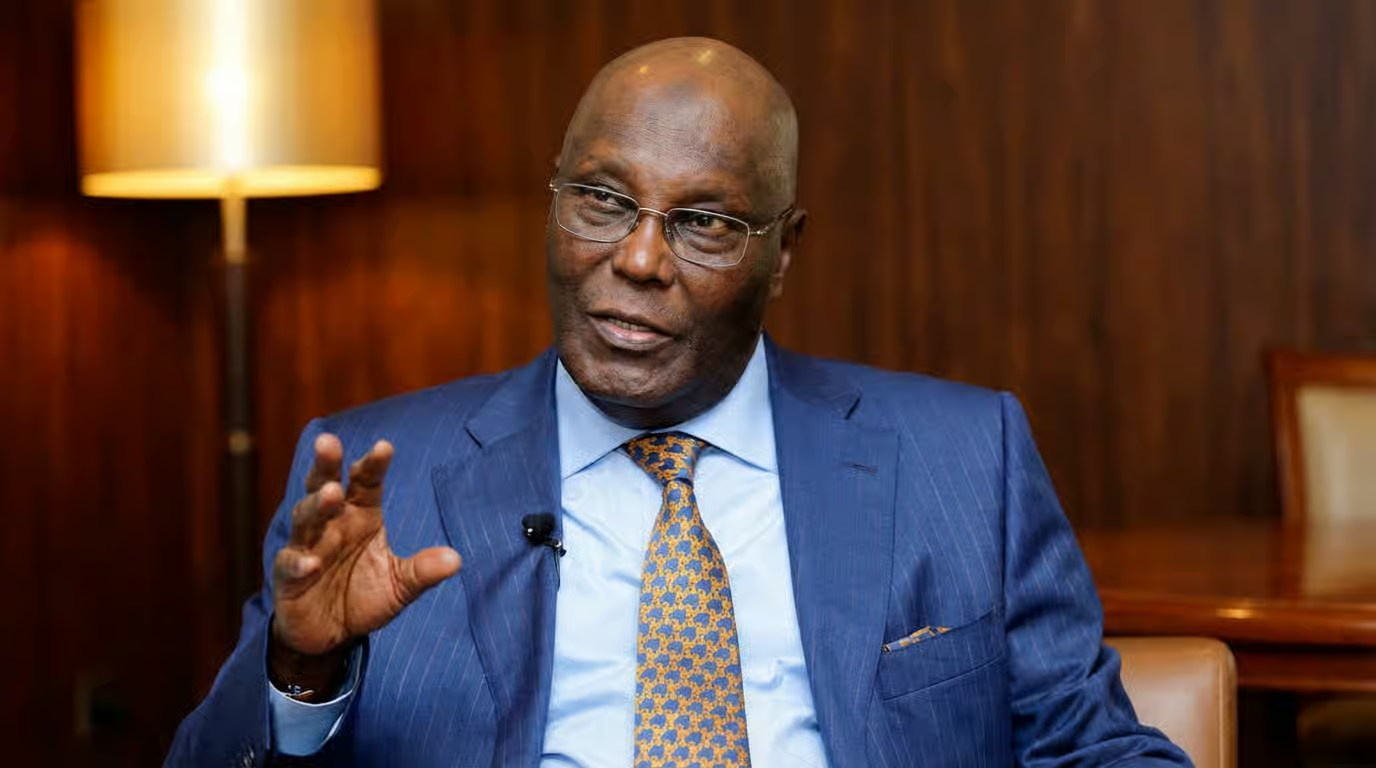
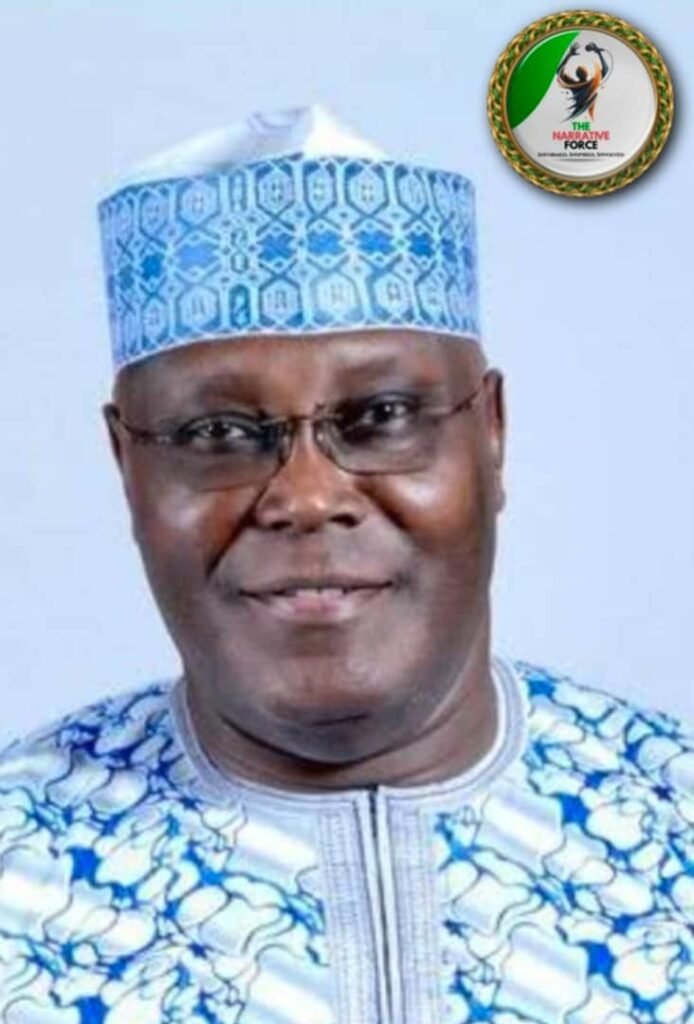
Then came the years of genuine recovery. Under the administration in which Atiku Abubakar served as Vice President and drove the economic reform agenda, Nigeria clawed her way back to global relevance. The economy that had been left prostrate was rebuilt through deliberate reform. Nigeria’s Gross Domestic Product grew from fifty eight billion dollars in 1999 to two hundred and seventy billion dollars by 2007. The nation regained her international standing and secured a historic debt relief settlement, a testament to the confidence of the global financial community in the reforms of that era. Stability was restored, and Nigeria began to reclaim her lost glory.
That is not a memory. That is a record. And the man who helped to author it is on the ballot once more.
THE LOCUST YEARS
Then came the locust years. A decade under the All Progressives Congress dismantled those gains like a wrecking ball and plunged Nigeria into the deepest recesses of hardship. Under their stewardship Nigeria was crowned the global headquarters of poverty, a land where excruciating suffering became the new normal. Inflation climbed into the stratosphere, unemployment swelled like an unrestrained wildfire, and the cost of living ascended beyond the reach of ordinary citizens. Insecurity soared to frightening heights, and preventable diseases reaped lives that competent governance should have saved.
THE ADC AND THE ROAD TO 2027
William George Jordan once observed:
The world stands aside to let any man pass who knows where he is going.
Nigeria now stands at a crossroads, and 16 January 2027 presents a defining moment, a chance to choose between continued ruin and redemptive leadership.
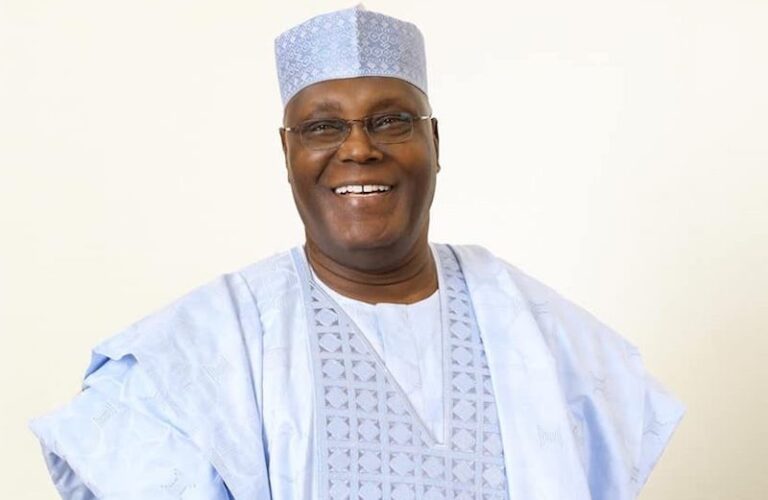
The African Democratic Congress is the platform on which that choice is being offered. The ADC has become the rallying point for Nigerians who refuse to accept decline as destiny, a coalition of experience, conscience and courage. On 25 May 2026 the party opened its presidential ticket to a nationwide direct primary across all eight thousand eight hundred and nine wards of the Federation, and its members handed Atiku Abubakar their mandate. On that ADC ticket he now carries the hopes of a nation weary of suffering.
Konstantin Stanislavski taught that:
There are no small parts, only small actors.
For a decade the APC has played the smallest, most inconsequential role in the grand theatre of governance, reducing Nigeria to a farce of failures. Atiku stands apart, not as a mere actor in the drama of leadership, but as the director who understands the script of national development and possesses the vision to turn tragedy into triumph.
THE CHOICE IS CLEAR
Support for Atiku Abubakar and the ADC in 2027 is support for economic rejuvenation, national unity and purposeful governance. It is a vote to end the nightmare the APC induced and to usher in an era of prosperity. The future of Nigeria lies in the hands of her people. Will they choose progress, or persist in peril?
The answer must be clear. The time to act is now.
Aare Amerijoye DOT.B, Director General, The Narrative Force, thenarrativeforce.org
11 August 2026