Aare Amerijoye DOT.B
Before the sun rises over Makurdi, Terver has already done the arithmetic of his day. He will not go to the far farm, because the far farm is where men from his village went and did not come back. So he tends the near plot, which is too small to feed his house, and he calls it survival.
In a Katsina market, Hajiya Amina now sells her grain in smaller measures than she did three years ago. Her customers have not changed. Their pockets have.
In Onitsha, Chukwuemeka opens his shop and looks at goods he can no longer replace at the price he sold them. Every sale now leaves him poorer than the stock it emptied.
In Okene, an Ebira widow has brought her son home from school. The fees rose, and the boy’s future was the only thing left in the house she could postpone.
On the edge of Ado Ekiti, a retired teacher stands at the chemist’s counter deciding which of her two prescriptions she will buy this month, and which one she will pray about instead.
Outside Gombe, a young Fulani herder counts what is left of his herd and wonders which of the two dangers on the road will take the next cow, the bandit or the market.
None of them has read a budget. But every one of them can tell you exactly what the last three years have cost.
THIS IS NOT A STATISTIC. IT IS A HOUSEHOLD.
The World Bank estimates that roughly 6 in 10 Nigerians now live in poverty. Figures like that are easy to read and easy to forget. So read them again as Terver, as Amina, as the widow in Okene. Each number is a kitchen where the pot is smaller, a school bench left empty, a clinic visit cancelled.
The 70,000 naira minimum wage, won after a hard struggle, is spent before it is earned. The worker who receives it no longer asks what he will save. He asks what he will cut.
Endurance is a virtue only when the road leads somewhere. This road has led only downhill.
THE DAY THE WORDS BECAME THE POLICY
On 29 May 2023, at his inauguration, President Tinubu declared that subsidy is gone. There was no cushion laid down first, no plan placed before the people, no season of adjustment. The words were the policy, effective the moment they were spoken, and the poor paid first and paid most.
This is the same man who, in January 2012, stood in opposition and protested against an abrupt removal of subsidy, warning of the pain it would inflict on ordinary Nigerians. He knew the danger. He wrote about it. When power came into his hands, he chose the very path he had condemned, and he chose it against the people.
THEY TOLD HIM THE NATION WAS BLEEDING
When the Catholic Bishops went to Aso Rock in July and told the President that Nigeria was bleeding, the answer they received, by Cardinal Onaiyekan’s account, was that the nation was not bleeding and the economy was fine.
That answer tells the suffering masses everything they need to know. A government that cannot see the wound will never dress it. A President who is told of hunger and replies with reassurance has already decided whose comfort matters.
TO YOU WHO CARRY THE WEIGHT
You were told to endure, and you endured. You were told the pain was the price of a better tomorrow, and you paid it. Three years on, you are entitled to ask where tomorrow is.
You owe this government nothing more. Not your patience, which it has spent. Not your silence, which it has mistaken for consent. Not your vote, which is the one thing in this country that still belongs entirely to you.
The poor man has only one wage he pays himself. It is his vote.
WHAT THE SUFFERING MASSES ARE VOTING FOR
Voting Tinubu out is only half the duty. The other half is choosing the man who has placed his plans before you in advance, in public, for you to examine.
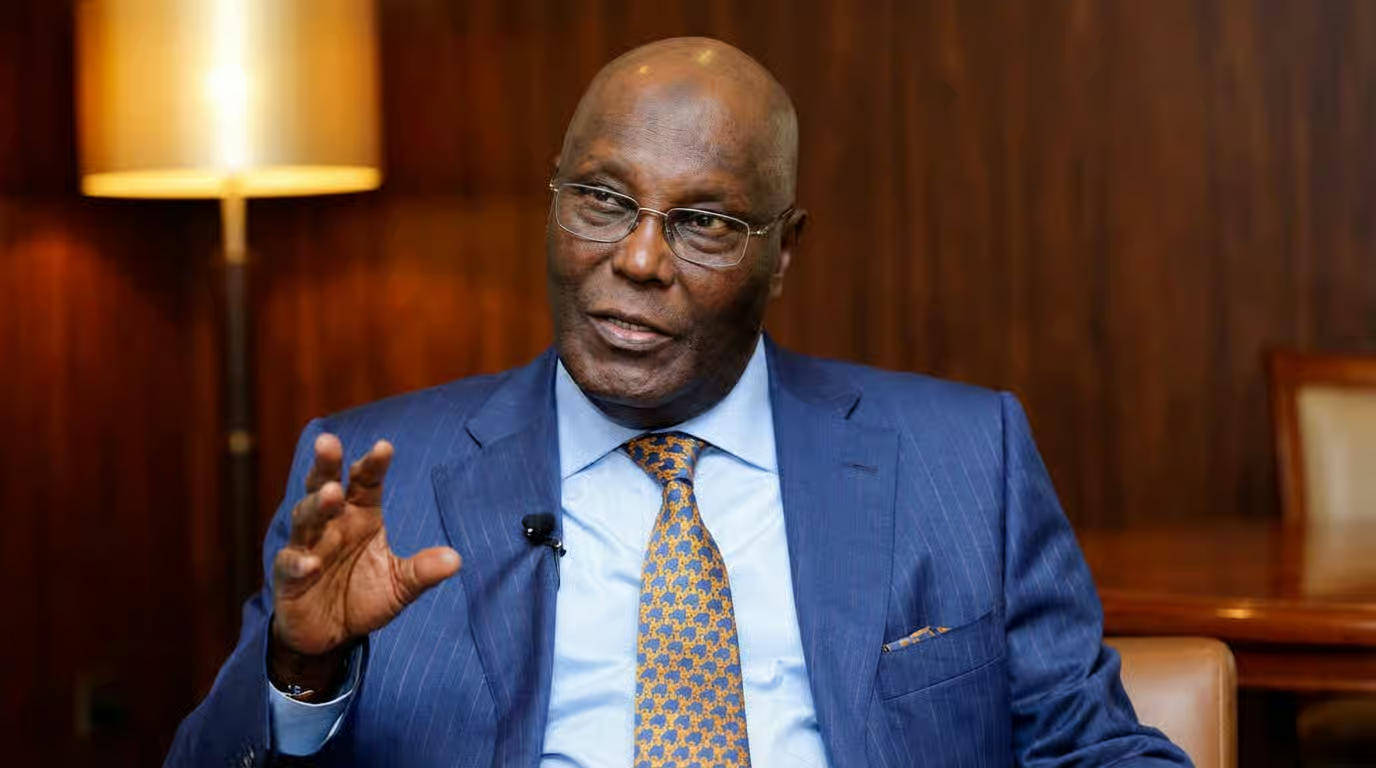
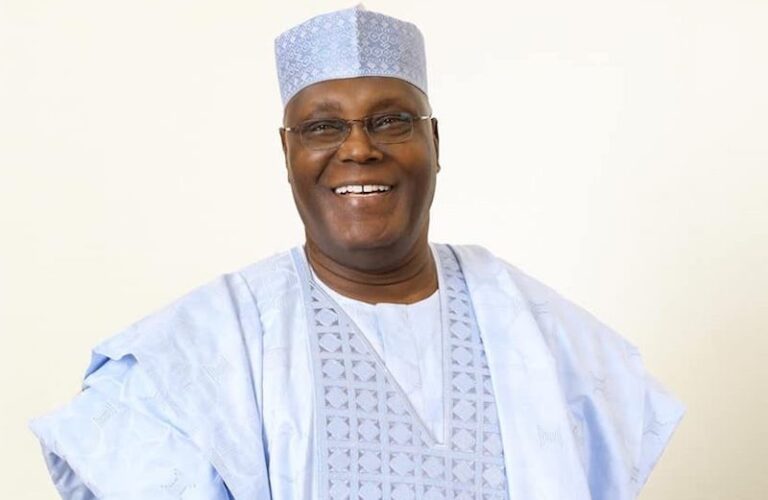
Atiku Abubakar has named welfare and security as the two priorities of his government, and has said plainly that the welfare of citizens is the fundamental responsibility of government. He has committed to returning subsidy in a targeted, capped, transparently budgeted and independently audited form, so that relief reaches the people who bore the pain and not the middlemen who fed on it.
He comes to this task with a record. Under the Obasanjo and Atiku administration, Nigeria’s economy grew from 58 billion dollars in 1999 to 270 billion dollars in 2007, and the country walked out of the Paris Club debt trap. He chaired the National Economic Council and the National Council on Privatisation. He has built businesses, built a university in Yola, and built himself from a boy who lost his father at 11.
That is the difference before you. One man pronounced a policy and left you to survive it. The other has published his plans and invited you to judge them.
THE QUEUE ON 16 JANUARY
Terver, Amina, Chukwuemeka, the widow in Okene, the teacher in Ado, the herder outside Gombe: none of them can fix this country alone. Together, on one day, they can change who runs it.
Collect your PVC. Know your polling unit. Bring your neighbour. Stay until the result is counted and announced. Guard your vote peacefully, lawfully and in large numbers.
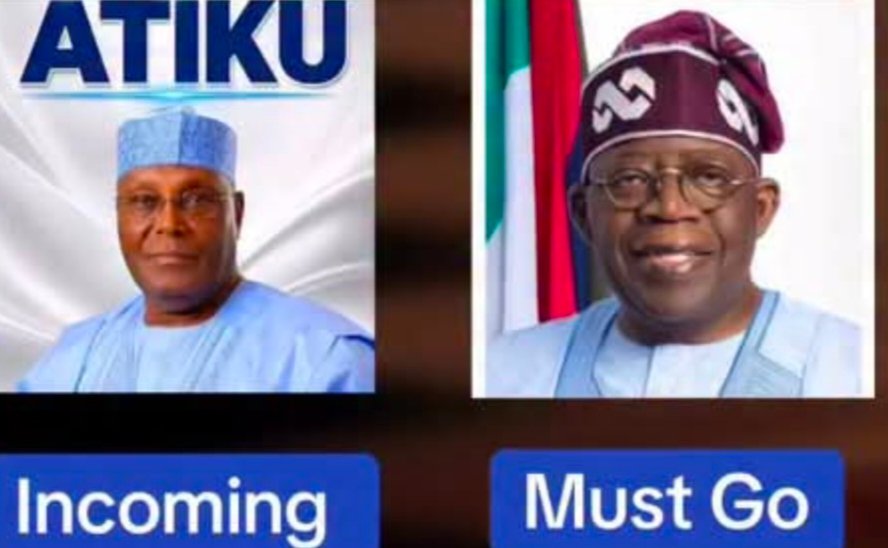
In the interest of the poor and suffering Nigerian masses, Tinubu must be voted out, and Atiku must be voted in. 114 days remain.
VoteTinubuOut #AtikuAmaechi2027 #ADC2027 #16January2027
Aare Amerijoye DOT.B
Director General,
The Narrative Force
thenarrativeforce.org
25 September 2026