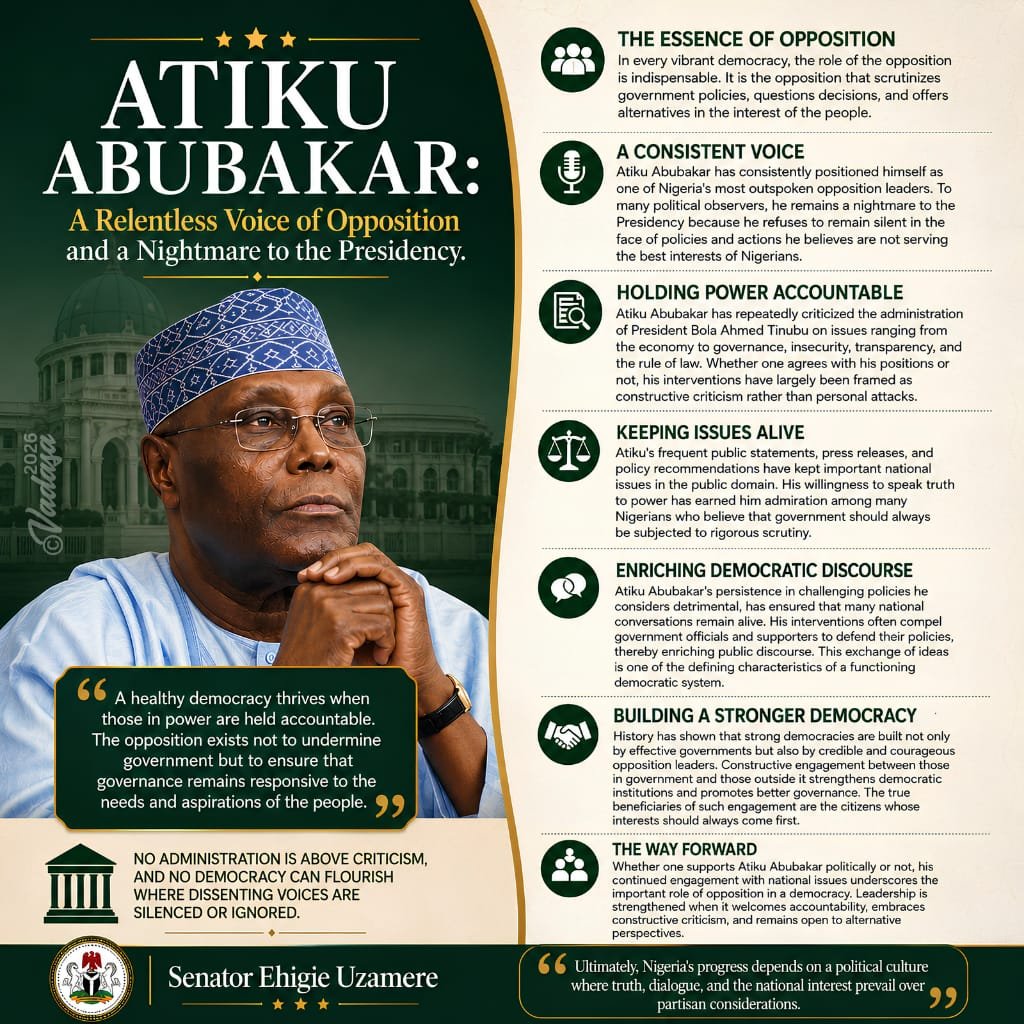
In every vibrant democracy, the role of the opposition is indispensable. It is the opposition that scrutinizes government policies, questions decisions, and offers alternatives in the interest of the people.
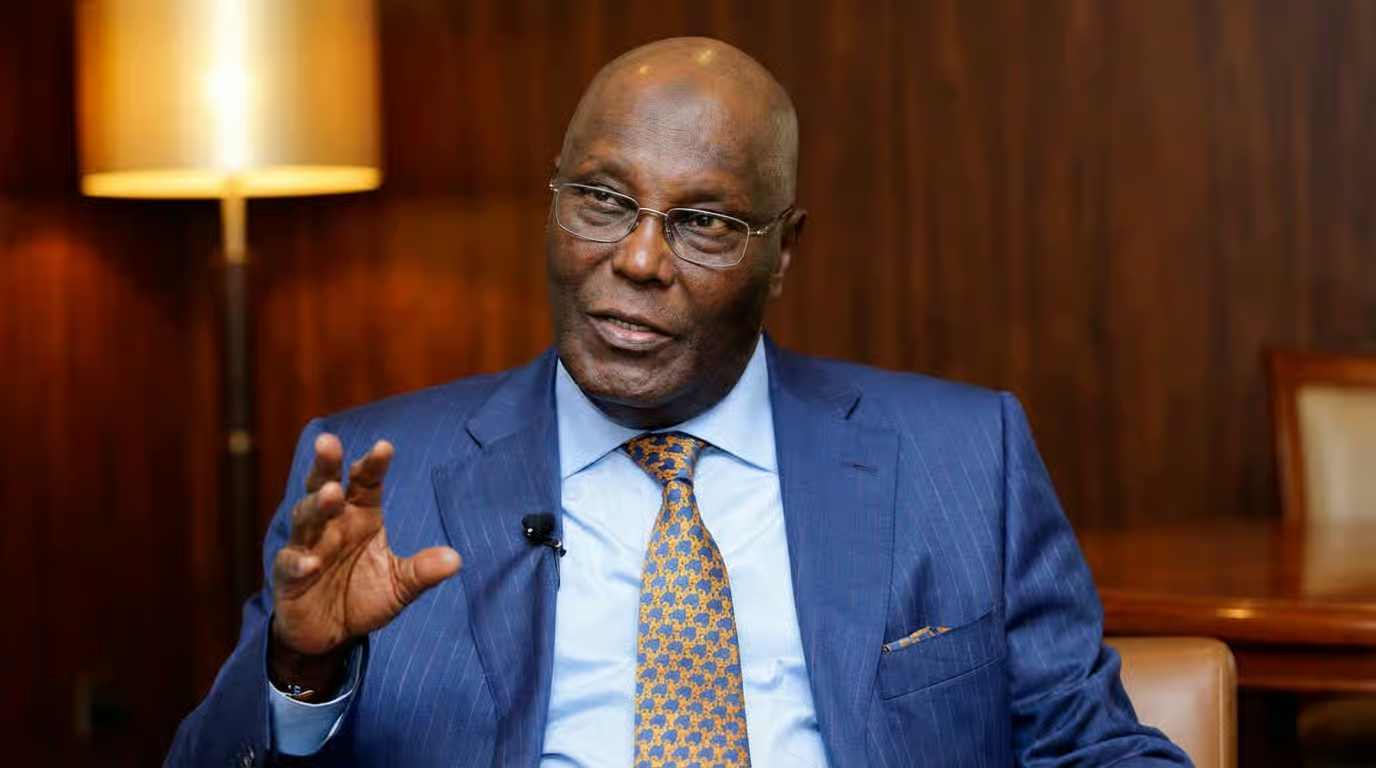
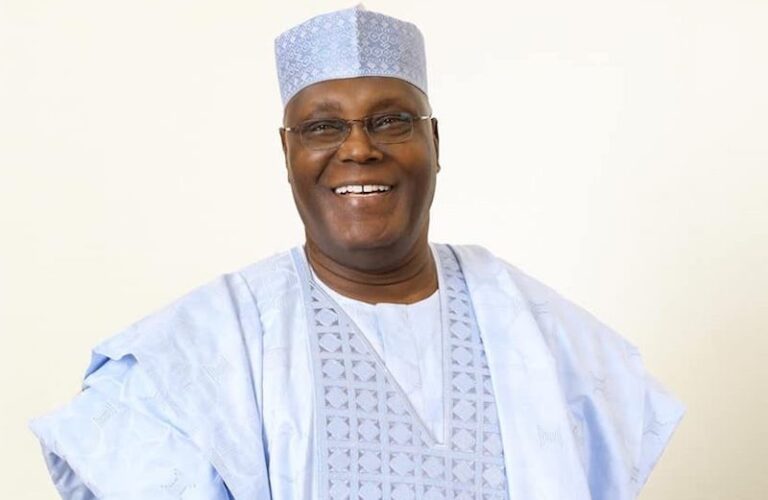
Former Vice President Atiku Abubakar has consistently positioned himself as one of Nigeria’s most outspoken opposition leaders. To many political observers, he remains a nightmare to the Presidency because he refuses to remain silent in the face of policies and actions he believes are not serving the best interests of Nigerians.
Atiku Abubakar has repeatedly criticized the administration of President Bola Ahmed Tinubu on issues ranging from the economy to governance, insecurity, transparency, and the rule of law. Whether one agrees with his positions or not, his interventions have largely been framed as constructive criticism rather than personal attacks. He has consistently called on the government to be accountable to the people and to uphold the democratic principles upon which the nation is built.
A healthy democracy thrives when those in power are held accountable. Atiku’s frequent public statements, press releases, and policy recommendations have kept important national issues in the public domain. His willingness to speak truth to power has earned him admiration among many Nigerians who believe that government should always be subjected to rigorous scrutiny. At the same time, his critics argue against some of his positions, reflecting the healthy debate that should characterize any democratic society.
Rather than viewing constructive criticism as hostility, every government should recognize it as an opportunity for self assessment and improvement. No administration is above criticism, and no democracy can flourish where dissenting voices are silenced or ignored. The opposition exists not to undermine government but to ensure that governance remains responsive to the needs and aspirations of the people.
Atiku Abubakar’s persistence in challenging policies he considers detrimental, has ensured that many national conversations remain alive. His interventions often compel government officials and supporters to defend their policies, thereby enriching public discourse. This exchange of ideas is one of the defining characteristics of a functioning democratic system.
History has shown that strong democracies are built not only by effective governments but also by credible and courageous opposition leaders. Constructive engagement between those in government and those outside it strengthens democratic institutions and promotes better governance. The true beneficiaries of such engagement are the citizens whose interests should always come first.
Whether one supports Atiku Abubakar politically or not, his continued engagement with national issues underscores the important role of opposition in a democracy. Leadership is strengthened when it welcomes accountability, embraces constructive criticism, and remains open to alternative perspectives.
Ultimately, Nigeria’s progress depends on a political culture where truth, dialogue, and the national interest prevail over partisan considerations.
Senator Ehigie Uzamere