Argue his politics if you must. They were born of his compassion, and history will not forget that.
Aare Amerijoye DOT.B
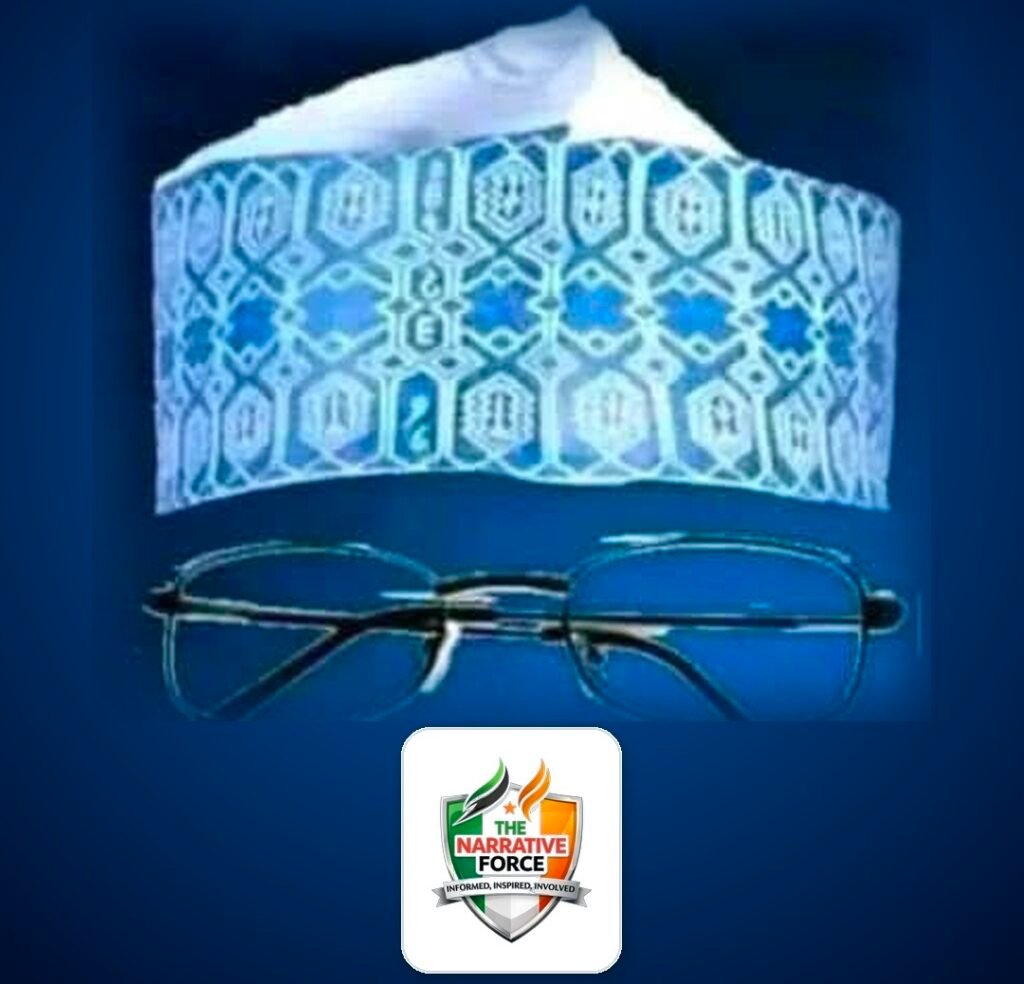
The world may rattle and wrangle over his politics. Opinions will clash, tempers will flare, and debates will rise in shrill crescendo. But argue his politics as you may, they were never a thing apart from his compassion. They were born of it. And history, that unflinching arbiter of truth, will not forget it.
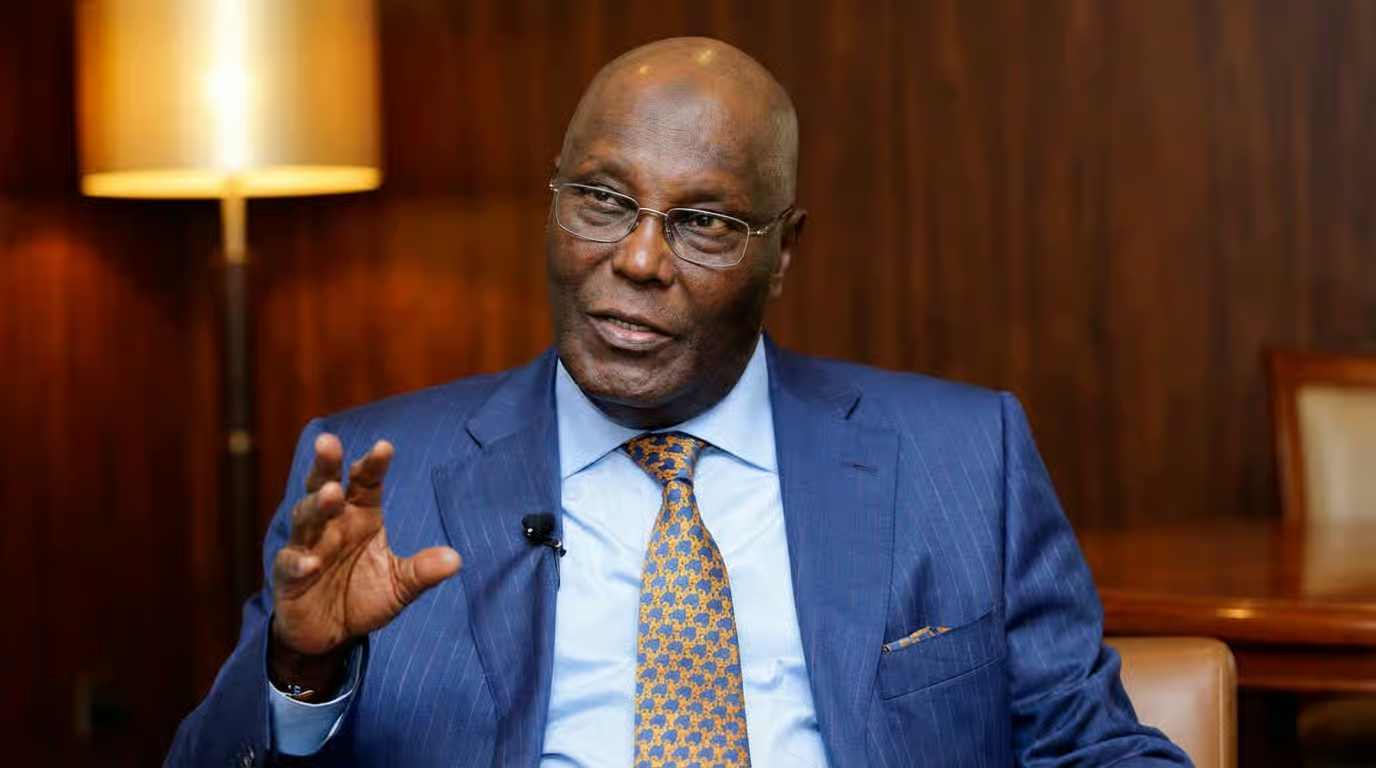
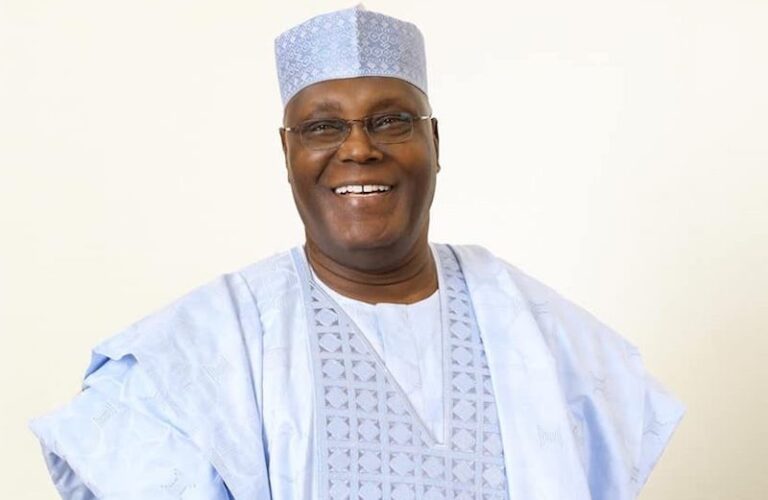
Atiku Abubakar. To some, a politician. To others, a lightning rod for every argument of the age. But to the hopeful, to the forgotten, to the weary Nigerian searching for a glimmer of tomorrow in the despair of today, Atiku is something else entirely. He is a movement wrapped in humility, a vision sewn in sacrifice, a man stitched together by the fibre of public purpose.
He has been maligned by cynics and misunderstood by partisans, yet his compass has always pointed not to power, but to people. The record he is judged by, schools built, lives lifted, a private hand open long before any public office, is itself the clearest argument for his politics. And though they have tried to drown his ideals in the noise of politics, his deeds speak in quiet places. In classrooms filled because he built them. In lives mended because he reached them. In communities uplifted because he believed in them.
A NATION IN PAIN, A MAN WHO FEELS IT
These are not gentle years for the ordinary Nigerian. The price of a meal humbles a family. The cost at the pump swallows a day’s labour. The young leave school into a country that cannot yet find them work. In such a season, the truest test of a leader is not the grandeur of his promises, but whether he can feel, in his own chest, the weight the masses carry on their backs.
Atiku feels it. He does not treat hardship as a talking point to be filed away between rallies. He speaks of the suffering Nigerian the way one speaks of family, with a tenderness that no podium can manufacture. He has pledged to place the relief of the ordinary citizen at the very centre of governance, to recover what was taken from the public purse, and to return dignity to the plate, the pump, and the payslip.
Here stands a man who knows that education is not a privilege but a right, that no citizen should be poor in a nation this rich, and that hunger is not a policy detail but a wound. He does not merely uplift his people with speeches. He walks with them in the muddy trenches of reality, reaching not for applause, but for impact.
WHAT HIS PRESIDENCY WOULD FETCH THE ORDINARY NIGERIAN
Empathy that ends at the podium is only theatre. What sets Atiku apart is that he has put a plan behind the feeling.
In August 2026 he unveiled the Atiku Economic Recovery Plan, the AERP, and its logic begins exactly where the ordinary Nigerian hurts most, at the pump, in the market, and on the payslip. He is not proposing a return to the old, opaque import subsidy that fattened middlemen and phantom cargoes. He proposes a targeted, capped, budgeted, time-bound and independently audited production support, tied to Nigerian refineries and to verifiable barrels.
The subsidy, he promises, will follow the barrel, not the middleman.
The design matters because the destination matters. Every subsidised barrel would be tracked from allocation through refining to the Nigerian consumer, so that the relief reaches the citizen and not the cartel. Any refinery that diverts crude, falsifies its records, or refuses to pass on the saving would lose its place, repay what it took, and answer to the law.
And the plan does not stop at cheaper fuel. By Atiku’s own account, lower refining costs mean cheaper petrol and diesel, and then cheaper transport, and then cheaper food, and then stronger businesses, more jobs, and purchasing power restored to families the present hardship has hollowed out. The support would taper as local refining matures, until the industry can stand on its own. This is relief with a horizon, not a habit, and a farmer moving his harvest, a trader stocking her shelf, and a mother feeding her children are the first names on its list.
There is also the matter of what was taken. Atiku has pressed the government to account for the trillions recorded as energy-security costs since subsidy was declared gone, a sum his team puts at about 17.5 trillion naira across 2023 and 2024. His promise to the suffering Nigerian is therefore twofold, cheaper living and the recovery of what belongs to the public purse, with a vow never again to subsidise blindly and discover the bill afterwards.
THE MANDATE OF THE FORGOTTEN
On 25 May 2026, the African Democratic Congress did not choose its flagbearer in the hush of a single hall. It asked the people themselves, ward by ward, across the Federation. When the counting ended, the party declared Atiku Abubakar its presidential candidate with 1,846,370 votes.
Read that number slowly. It is not the arithmetic of cronies or the roar of a rented crowd. It is the quiet arithmetic of the forgotten, of citizens who queued in the sun to say, in one voice, that they still dare to hope.
His is not a legacy written by chants. It is etched in the silent gratitude of communities given a chance, of youths finding their feet, of citizens daring to believe again.
ONE FINAL WALK
In August 2026, he told his countrymen plainly, and without theatre, that 2027 will be his final contest for the presidency, win or lose. There is a rare honesty in a man who tells you he is not building a dynasty, only offering one last season of service.
And he has asked one thing in return. Collect your voter card. Come out on 16 January 2027. Then stay, and guard your vote until it is counted. It is the request of a man who trusts the people more than he trusts the powerful, and who knows that the hope of a nation is only ever as safe as the ballot that carries it.
As Isak Dinesen tenderly reminds us, God made the world round so we would never be able to see too far down the road. And that may be true. But when you walk behind a man like Atiku Abubakar, you do not need to see far. You only need to see the light he carries, one step at a time, illuminating what is possible.
Call him what you like. The world may take its pick. But for those of us whose lives are touched by his humanity, Atiku is not a name in politics. He is a promise in flesh.
And if history has any honour left to bestow, it shall not forget that.
Aare Amerijoye DOT.B
Director General, The Narrative Force
thenarrativeforce.org
22 August 2026