By Dr. Pedro Obaseki.

Picture a yam farmer at harvest. His barn is full, his back aches, and buyers have come from afar with heavy purses. He sells, as he must; labour, storage and transport do not pay for themselves. But suppose he sells every last tuber, and his children must then buy back processed yam through a long chain of middlemen, at a price the household cannot bear, or go to bed hungry. Would anyone call that good farming?
My brother, Dr. Tom Obaseki, set that picture before me in a recent conversation, and it has refused to leave. It is Nigeria’s picture. We sit on one of the world’s great petroleum barns, yet millions of our people cannot afford the energy they need to earn a living. What, then, should it mean to be a citizen of an oil-producing country? Surely more than living above the oil while drowning beneath its price.
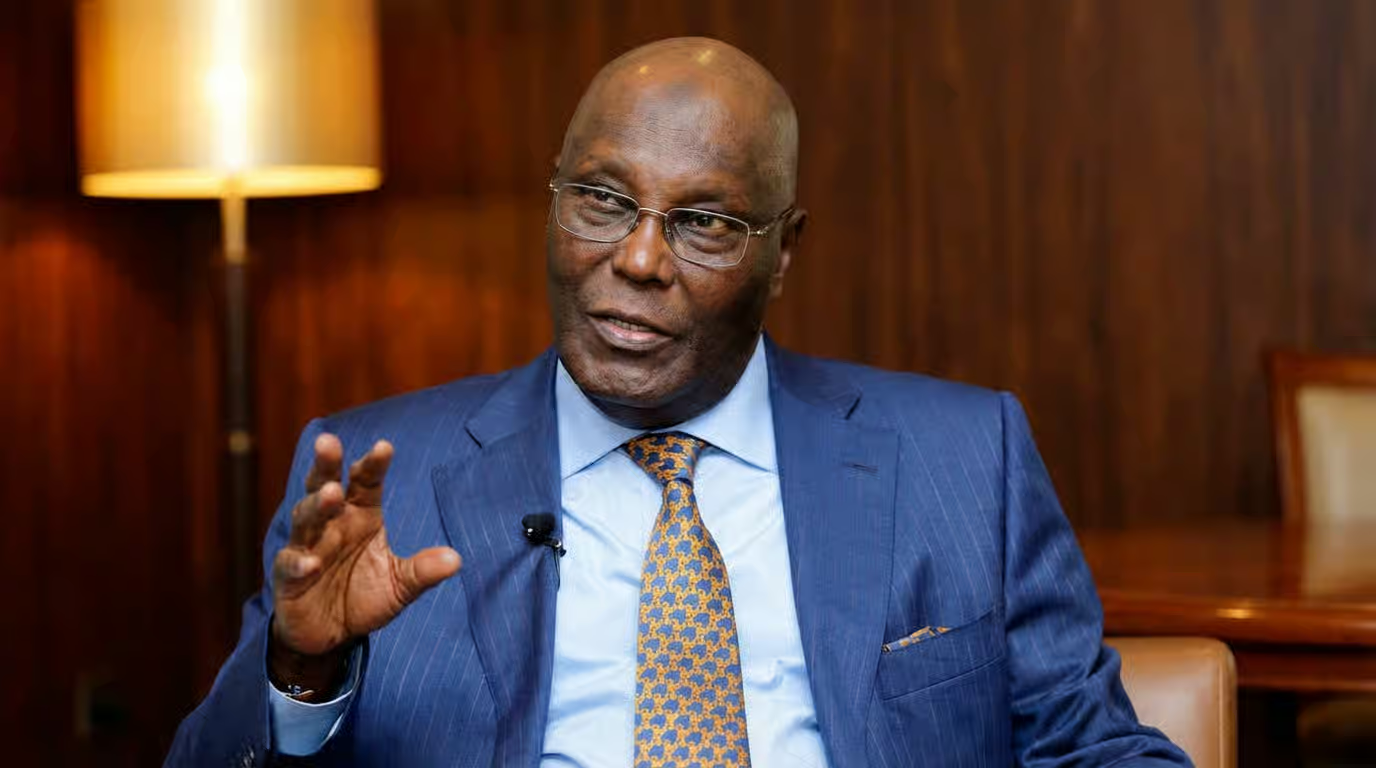
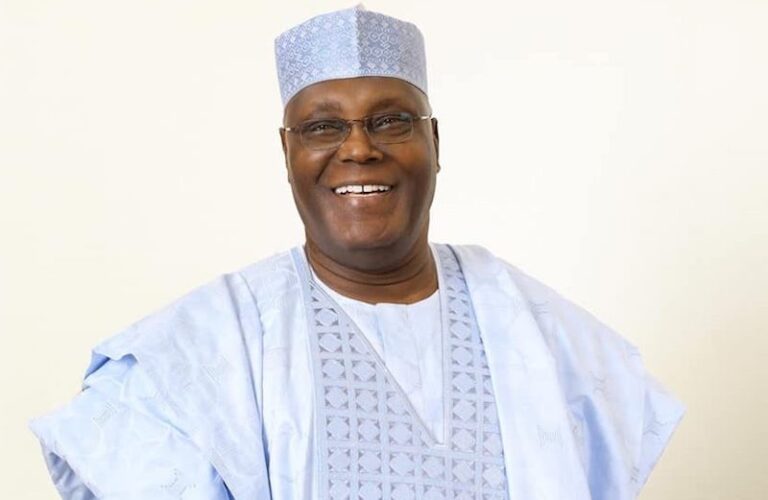
That question beats at the heart of Atiku Abubakar’s production-subsidy proposal. I advise him, I make no pretence of neutrality, and I support the plan because it reconnects what nature gave us to what Nigerians actually pay.
The subsidy follows the barrel.
Strip away the jargon and the idea fits in a line Atiku himself supplied: “The subsidy follows the barrel refined in Nigeria.” The old regime sent public money chasing imported petrol across the seas, fattening middlemen on claims nobody could verify. This plan turns the river around. Support goes only to crude refined here, and only when the cheaper fuel reaches Nigerian pumps under a transparent formula that carries the crude discount through to the consumer.
The fences are built in. A hard annual ceiling, approved through the federal budget, caps the cost. A maximum support per barrel caps the generosity. Independent verification, electronic tracking from crude intake to refined output, domestic-supply obligations, independent audits and severe penalties for diversion stand guard at the gate. Refiners keep legitimate margins, so no one is asked to sell at a loss; but no one is allowed to pocket the difference either. In Atiku’s words, ”Nigeria will not subsidise anybody’s private profit.” And the whole arrangement is scaffolding, not a permanent wall. It is meant to come down as domestic refining learns to stand on its own feet.
This is no new fever for me. In January 2012, as Nigerians poured into the streets over petrol prices, I examined the same quarrel in my documentary, Fuel Subsidy—The Arithmetic. It is still on YouTube for anyone who wishes to check my sums. Its figures belong to their season. Its question still knocks at the door: whose welfare should Nigeria’s petroleum economy serve?
The arithmetic of the kitchen table.
The national minimum wage is ₦70,000 a month, about $53 at today’s exchange rate. At roughly ₦1,300 a litre, near where average pump prices stood at the start of October, that wage buys fewer than 54 litres of petrol before a single naira goes to rent, food or school fees. The worker who owns no car pays all the same: in bus fares, in the price of tomatoes trucked from the North, in the diesel that keeps the barber’s generator humming.
This is why comparisons with international pump prices miss the point. Equal prices do not make equal burdens. Income, steady electricity, public transport and social protection decide how hard a price lands on a household. Nigerians do not live on global benchmarks. They live on Nigerian wages.
Nor does any law of economics sentence an oil producer to import its fuel forever. Imports can bridge a shortfall; they must never become the destination. And the claim that an oil-producing nation must charge its citizens exactly what an oil-importing nation charges is too absolute by half. World prices inform commercial decisions. They do not abolish a government’s right to choose open, affordable ways of sharing a natural endowment with the people who own it.
The door is open, but the price is locked.
Our own statute book already leans this way. Section 109 of the Petroleum Industry Act 2021 created a domestic crude supply obligation so that Nigerian refineries would not be starved of Nigerian crude. Yet that crude still changes hands on a willing-buyer, willing-seller basis, priced with one eye on the international market, and a legal review of the first quarter of this year still found local refineries short of feedstock. The law has opened the barn door to the household. It still charges the household the foreign buyer’s price for its own yam. Atiku’s plan supplies the missing hinge: it deals with price, not merely access.
Other producers have walked this road. Algeria, under a 2021 executive decree, sets the price of crude entering its refineries by a regulatory formula built on real production and pipeline costs (investment, operations, financing, taxes and a fair return on capital) rather than on the export quotation alone. Saudi Aramco sells crude and certain products at home at regulated prices, and the government compensates it for the revenue forgone. Neither country is our template. Both prove the point: domestic pricing is a policy choice, and an honest one when it is accounted for in daylight.
Hard questions, answered in daylight.
Critics in and around the Presidency have greeted the plan with prophecies of catastrophe. Fair questions deserve better than prophecy; they deserve answers. How much crude is truly available? Much of it belongs to joint-venture partners and private producers whose entitlements Nigeria cannot simply commandeer. Every naira of discount on public crude is a naira the treasury forgoes. So the programme must be published, costed and capped, and Atiku has pledged to settle what Nigeria can afford before a single barrel is supported.
Those are the conditions of success, not reasons for surrender. Verification must follow the crude into the refinery and the products into the Nigerian market; relief meant for Nigerian homes must not sail away in export cargoes. Access must be open to every qualifying refiner, not a favoured few, lest the subsidy become a monopoly wearing the national flag. And Nigerians must be able to see, in plain figures, what each company receives and what each consumer gets back. If cheaper crude does not become cheaper fuel, the whole edifice is built on sand.
The prize is larger than a cheaper litre. Affordable energy rewrites the arithmetic for the transporter, the farmer, the trader and the factory owner. A deeper refining sector grows skills, maintenance work and industrial muscle that stay at home. Those gains must be weighed honestly against the programme’s cost, but they belong on the scale.
The yardstick.
Fuel prices have become the ground on which this election will be fought, and every serious contender owes Nigerians an answer to the yam farmer’s question. The yardstick is simple to state and hard to meet: does a policy make our oil serve Nigerian production and Nigerian living standards at once, and can it prove it, barrel by barrel? That is the test Atiku has set for himself. It is the test by which his plan, and every rival to it, should be judged.
The farmer’s children should not go hungry beside the barn. Nor should Nigerians be told that hardship is the natural dividend of living above oil. For too long our crude has left our shores as wealth and come home to our kitchens as hardship. Refining more of what we produce, keeping more of the value we create and letting our people share the harvest is not charity. It is the oldest promise a nation makes to its children, and the obligation any government that seeks their trust must fulfil.
–Dr. Pedro Obaseki serves on the ADC Presidetial Campaign Council, and as Adviser on Policy and Strategy to Atiku Abubakar