PART 8 OF 50: THE CLINIC WITH THE PADLOCK ON THE DOOR
Aare Amerijoye DOT.B
1.15 am. The pains begin.
1.20 am. Her husband runs to a neighbour and begs for a motorcycle. He wraps her in a blanket and sits her behind him.
1.40 am. They reach the primary health centre at the edge of the village. It is the one the government painted in bright colours and opened with a ribbon, a speech and a signboard bearing a politician’s name.
The gate is locked.
He bangs on it. He shouts. He shakes the padlock until his hands bleed.
Nobody comes. There is no nurse. There is no light. There is no midwife. There is only a padlock, a painted wall and the name of a politician shining in the moonlight.
1.45 am. He turns the motorcycle around. The general hospital is forty minutes away, over a road of craters, in total darkness. She holds on to him with one arm and to her belly with the other, and she prays with every bump.
2.25 am.
Whether they arrived in time is the question every Nigerian family has learnt to fear. Too often, the answer is no.
A clinic with a padlock is not a clinic. It is a monument to a broken promise.
SIX THOUSAND, FIVE HUNDRED AND SIXTEEN LOCKED DOORS
Do not take my word for it. Take the government’s own numbers.
According to the dashboard of the National Primary Health Care Development Agency, analysed and reported in August 2026, at least 6,516 primary health centres across Nigeria remain non-functional.
Now feel that number.
If you visited one of those dead clinics every single day, Monday to Sunday, without missing a day, you would still be visiting them nearly eighteen years from now.
Six thousand, five hundred and sixteen places where a mother should give birth safely. Six thousand, five hundred and sixteen places where a child should get the vaccine that protects him for life. Six thousand, five hundred and sixteen places where a fever should be treated before it becomes a funeral.
Locked. Empty. Broken. Abandoned.
Katsina has 442 of them. Osun has 406. Benue has 343. In Borno, officials report that hundreds of facilities were destroyed by the insurgency.
And the money? Billions spent on revitalisation, renovation and repainting. Yet the doors stay shut.
A coat of paint does not deliver a baby.
A ribbon does not immunise a child.
A signboard does not cure malaria.
THE FIRST DOOR OF A NATION’S HEALTH
The primary health centre is not a small building in a small village. It is the first door of the nation’s health.
It is where the mother in Sokoto goes for antenatal care. It is where the baby in Ebonyi gets the vaccine that saves his life. It is where the farmer in Plateau runs when the fever strikes. It is where the grandmother in Ekiti has her blood pressure checked before it becomes a stroke.
When that first door is open, illness is caught early, cheaply and close to home.
When that first door is locked, every illness becomes an emergency. Every emergency becomes a dangerous journey. And too many journeys end not at the hospital, but at the graveside.
By World Health Organization estimates, Nigeria accounts for more than a quarter of all maternal deaths in the world.
More than a quarter. Of the whole world.
Behind that terrible figure stand thousands of locked clinic doors, missing midwives, absent ambulances and roads that do not forgive.
Most Nigerians who die of preventable illness do not die because the cure does not exist. They die because the door was locked.
A BUILDING IS NOT A CLINIC
So why are the doors locked?
Because a clinic is not a building. A clinic is the nurse, the midwife, the doctor, the drugs, the light and the clean water inside the building. Take those away and all you have left is paint and a padlock.
And they have been taken away.
The health workers are leaving. Doctors, nurses and midwives trained with Nigerian money are boarding flights to Britain, Canada and Saudi Arabia, to any country that pays them and respects them. Those who stay too often work double shifts for wages that arrive late or not at all.
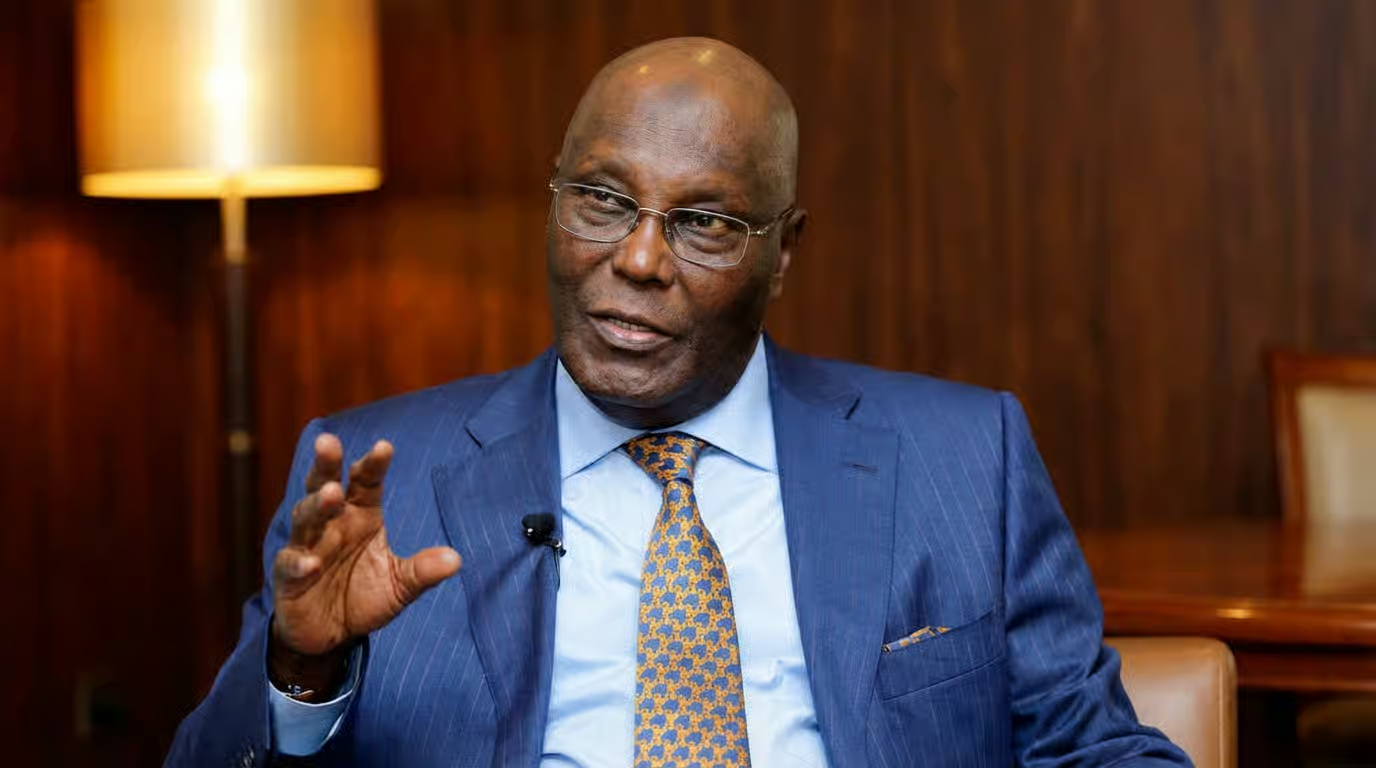
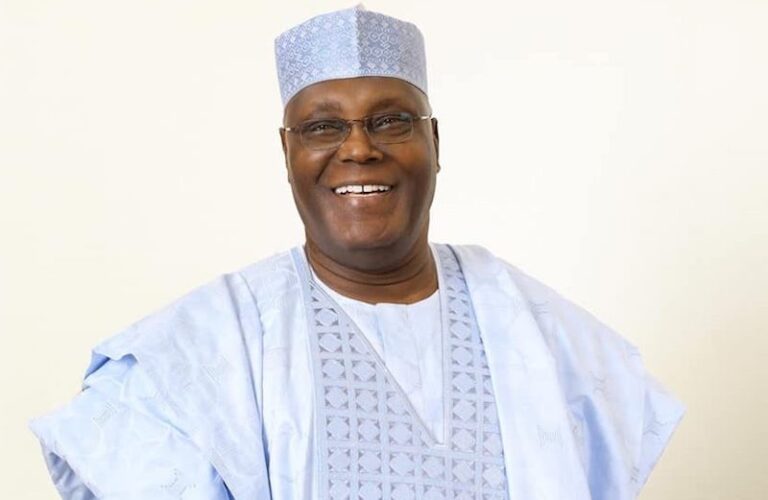
In April 2026, as resident doctors prepared to strike, Atiku described it as unacceptable that doctors should have to beg for entitlements the government had already agreed to pay. He pointed to a wider pattern of disregard for health workers that is driving so many of them abroad.
Think about that. The government signs an agreement with its doctors. Then it makes them beg for what it signed. Then it wonders why they leave.
A government that will not pay the doctor it trained should not be surprised when the doctor goes, and the clinic door swings shut behind him.
And there is a second reason the doors are locked. Primary health centres are run by local governments. But for years the money meant for local councils has been held back, diverted or swallowed on its long journey from Abuja. The council that cannot pay a midwife cannot open a clinic.
ATIKU’S ANSWER: A HEALTHCARE OVERHAUL
Now hear the answer.
Point 10 of Atiku’s 12 Point Agenda to Rescue, Revive and Restore Nigeria commits to a healthcare overhaul: affordable basic healthcare, and fixing the shortage of medical personnel.
Affordable basic healthcare. The mother gives birth in a clinic, not on a motorcycle. The child is treated without the family selling its last goat. The old man gets his drugs without choosing between medicine and food.
Fixing the shortage of medical personnel. The nurse, the midwife and the doctor are put back behind the clinic door. A clinic with staff is a clinic that opens.
And in his acceptance speech on 27 May 2026, Atiku committed to investment in primary healthcare centres and in specialist hospitals. The first door and the last door of the health system, strengthened together. The village clinic catches the illness early. The specialist hospital treats what the clinic cannot.
Affordable care. Staffed clinics. Specialist hospitals. A health system that opens its doors.
FOLLOW THE MONEY TO THE CLINIC
Now here is the part of Atiku’s plan that goes straight to the padlock.
Point 3 of his agenda commits to local government autonomy, implementing the Supreme Court judgment so that funds go directly to councils.
Read that again, because it may matter more to your family’s health than any other promise in this campaign.
When the money for local government lands directly in the council’s account, it can no longer be swallowed on the way. The council can pay its midwife. It can stock its drugs. It can fuel its generator. It can keep its clinic open at 1.40 in the morning.
Every naira that reaches the village is a naira that can keep a mother alive.
Add point 11, audited contracts and published procurement, and the scandal of billions spent repainting clinics that never open comes to an end. If a contractor was paid to revive a health centre, you will see the contract. And you will see whether the door is open.
Money that arrives. Staff who stay. Clinics that open.
That is how the padlocks come off.
THE SAME CONVICTION, YEAR AFTER YEAR
Health is not a discovery Atiku made on the campaign trail. For years his policy documents have named health, alongside education, as the foundation of human development. In every version of his plan, the principle has been the same: a nation is only as strong as the health of its people.
And he has proved that he understands how to keep an institution serving the people when it matters most. The American University of Nigeria, which he founded with his own money in Yola, stayed open through the insurgency. While others fled, it fed displaced people in their hundreds of thousands.
A man who kept his institution’s doors open while war raged around it will not accept a padlock on the door of your clinic in peacetime.
He kept the doors open in wartime. He will open the doors of your clinic.
TO THE HUSBAND ON THE MOTORCYCLE
To the husband who rode through the dark with his wife behind him. To the mother who lost a child to a fever that cost less than a bag of rice to treat. To the nurse in Gombe working three people’s shifts, and the doctor in Enugu packing his bags for Manchester. To the old man in Ogbomoso who has stopped taking his drugs because he cannot afford them.
Your pain is not an accident. It has a cause. And it has an answer.
Do not let this article stop with you. Send it to your family group, your church and mosque groups, your women’s association, your community development association and your union. Read it aloud to the grandmother who cannot read. Sit with the nurse, the midwife and the patient, ask them what has failed them, and show them the point in Atiku’s agenda that answers it. Every Nigerian has stood at a hospital gate in fear. Every one of them deserves to know that there is a plan.
Collect your PVC if it is ready, and keep checking with INEC until it is. On Saturday, 16 January 2027, go early, vote, stay and protect your vote until the result is pasted.
Tonight, at a quarter past one, somewhere in Nigeria, the pains will begin again. A husband will borrow a motorcycle. He will ride through the dark to a clinic with a padlock on the door.
On 16 January, vote so that next time, the light is on, the nurse is waiting and the door is open.
Vote Atiku. Vote Amaechi. Vote ADC.
Next: Part 9, Doctors and nurses leaving.
#Atiku2027 #AtikuAmaechi2027 #AtikusAnswers #VoteADC
Aare Amerijoye DOT.B
Director General,
The Narrative Force
thenarrativeforce.org
21 October 2026