By Kunle Oshobi
When Arsenal F.C. lifted the English Premier League trophy last night after 22 years of waiting, it was more than a football victory. It was a powerful statement about persistence, resilience, and the inevitability of success for those who refuse to quit.
For over two decades, Arsenal remained competitive without reaching the summit. They consistently finished among the top teams in England. They repeatedly qualified for elite European competitions. In recent seasons, they came painfully close, finishing second three consecutive times. Rivals mocked them. Critics said they lacked the mentality to win. Yet Arsenal stayed the course.
Today, they are champions.
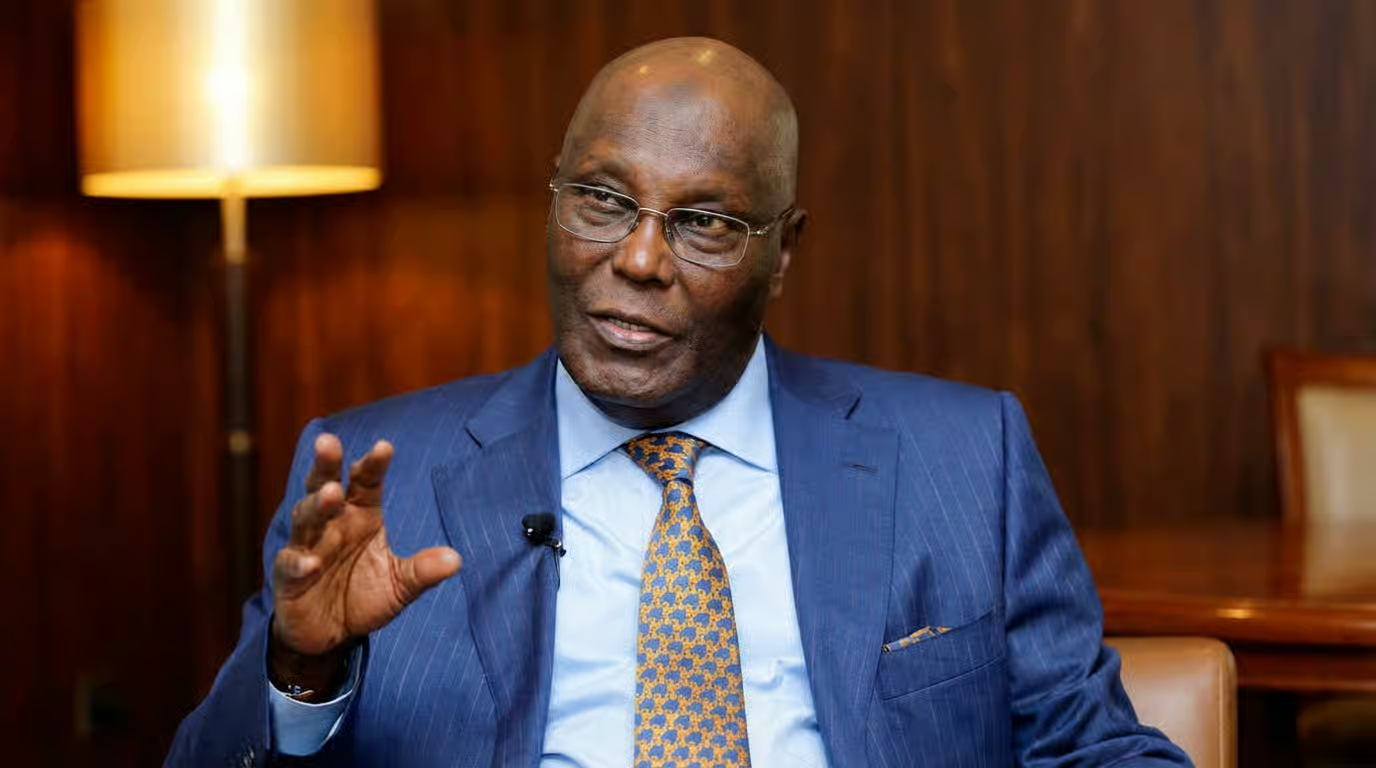
That story bears a striking resemblance to the political journey of Atiku Abubakar, one of Nigeria’s most persistent political figures and an ardent Arsenal supporter.
Like Arsenal, Atiku has spent years close to the ultimate prize. He has contested for the presidency multiple times, built one of the most formidable political networks in Nigeria, and consistently remained at the center of national political discourse. Election after election, he has come within touching distance of victory. And just like Arsenal, many mistook repeated near-successes for permanent failure.
They were wrong.
History has a way of rewarding those who remain relevant, consistent, and determined. Arsenal’s triumph proves that persistence is not weakness; it is preparation for inevitability. The club did not suddenly become successful overnight. Their eventual victory was built on years of consistency, rebuilding, lessons from defeat, and an unshakable belief that their time would come.
That same political trajectory now points toward Atiku.
In Nigeria’s democratic history, very few politicians have maintained Atiku’s staying power, national appeal, and organizational strength across decades. He has survived political realignments, party crises, fierce propaganda, and shifting electoral dynamics, yet he continues to emerge as a dominant force. That endurance is not accidental. It is the mark of a politician whose relevance has outlived multiple administrations and political trends.
More importantly, Nigeria itself is moving toward the very arguments Atiku has championed for years, economic restructuring, private sector-driven growth, fiscal reforms, job creation, and national unity through inclusion. Many of the ideas that once sounded controversial are now increasingly accepted as necessary for Nigeria’s survival.
Politics, like football, is often about timing.
Arsenal’s years of near misses were not signs that they would never win; they were signs that they were getting closer. Each second-place finish sharpened the hunger, strengthened the team, and prepared them mentally for the final breakthrough. The same applies to Atiku’s political journey. Every electoral cycle has expanded his reach, deepened his experience, and reinforced his image as a leader who refuses to abandon the mission.
And in politics, persistence backed by structure usually prevails eventually.
Nigeria’s next presidential election may very well become Atiku’s defining moment. The country is facing economic hardship, unemployment, declining investor confidence, and growing public frustration. In such an environment, experience, economic understanding, and political maturity become major assets. Atiku has spent years presenting himself as a businessman-politician with the capacity to stabilize and grow the economy. Whether one agrees with him or not, he has remained remarkably consistent in that message.
That consistency matters.
Just as Arsenal finally transformed years of promise into silverware, Atiku’s long political journey appears headed toward a historic culmination. The signs are increasingly difficult to ignore. His persistence has kept him relevant. His political machinery remains formidable. His national recognition is unmatched. And the conditions that once worked against him are gradually evolving in his favor.
Arsenal’s victory is therefore more than a football story. It is a reminder that sustained pursuit eventually defeats temporary setbacks.
For years, Arsenal fans believed their moment would come despite disappointments. Eventually, it did.
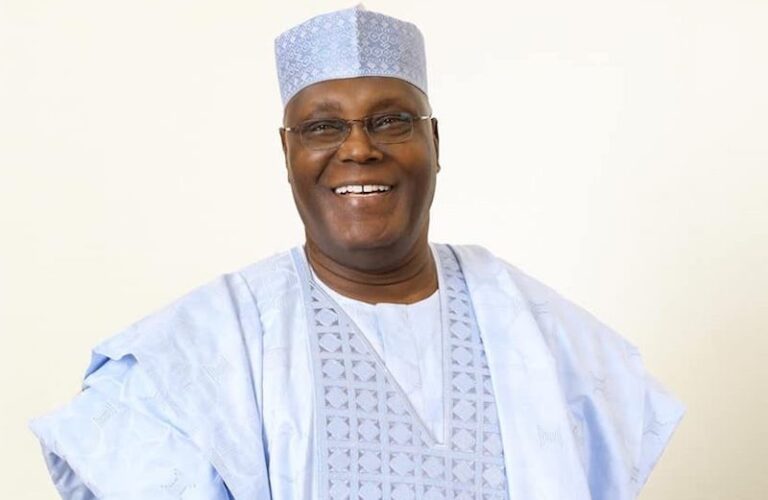
Atiku Abubakar, fellow Arsenal supporter and persistent contender, may well be on the verge of a similar moment in Nigerian politics.
Because history consistently rewards those who refuse to stop showing up until victory finally arrives.
Kunle Oshobi is the Head of Strategy and Planning, and Chairman Narrative Command of The Narrative Force