PART 4 OF 50: THE LOST GENERATION WILL NOT STAY LOST
Aare Amerijoye DOT.B
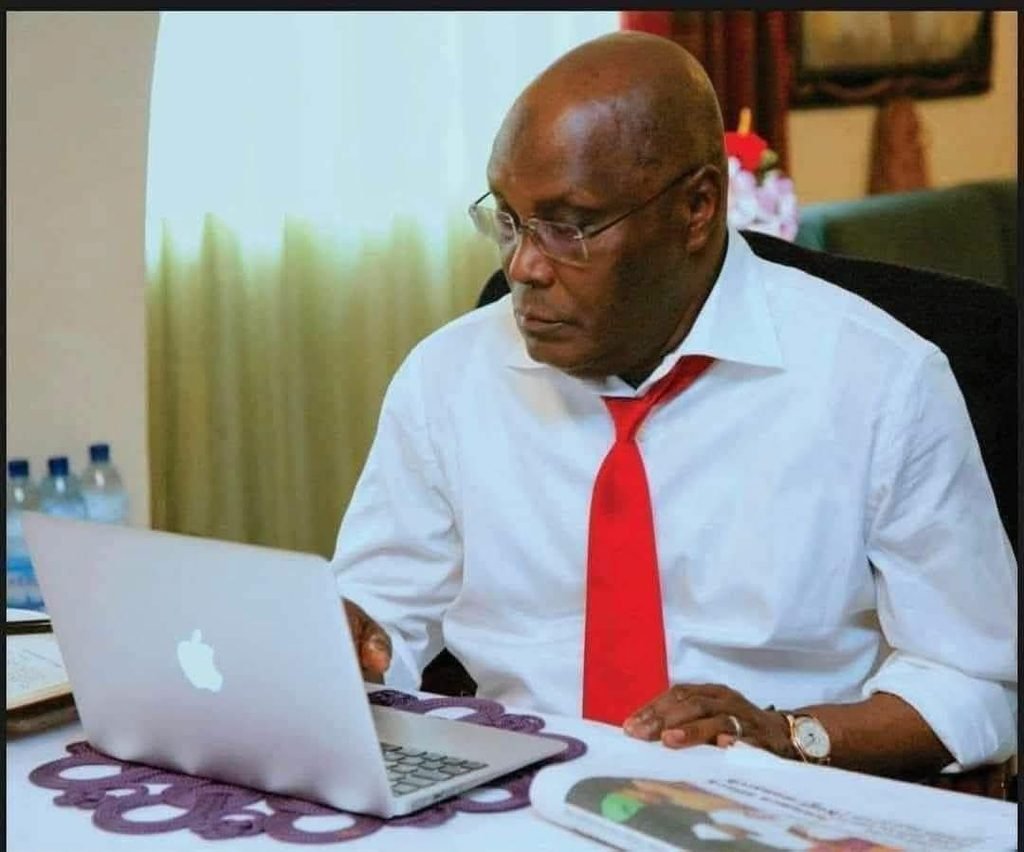
“Dear Sir, I humbly apply for the above position.”
He has written that sentence so many times that he no longer needs to look at the keyboard.
He graduated with a second class upper in Accounting. He served his fatherland in a village in Kebbi. He came home with his certificate in a brown envelope and his mother’s prayers in his heart. That was six years ago.
Since then he has applied to banks, to oil companies, to ministries, to schools, to supermarkets. He has written examinations in halls packed with thousands of candidates for twenty places. He has paid “processing fees” to people who disappeared. He has been told he is overqualified for jobs he would gladly do, and under-connected for the jobs he trained for.
Today he charges phones at a kiosk in Lokoja. His younger brother, who never went to university, is doing better than him, and that hurts more than anything.
He is not one man. He is millions.
A nation that cannot employ its young is not saving money. It is spending its future.
THE BOMB IN OUR MIDST
Nigeria is one of the youngest nations on earth. Most of our people are under thirty. In any serious country, that would be a blessing beyond price: a vast workforce, full of energy, ready to build.
In Nigeria, it has been allowed to become a ticking bomb.
Every year, our universities, polytechnics and colleges of education release graduates into an economy that has not created places for them. Every year, millions more young people who never reached university join them in the queue. The queue grows longer. The hope grows shorter.
Some of them pack their bags and leave. Their parents sold land to educate them, and the return on that sacrifice now goes to Canada, Britain and the Gulf.
Some of them fall into despair, into drugs, into the long silences that frighten their mothers.
And some of them, in the North West and the North Central, are recruited by men in the forest who offer what the state would not: money, a motorcycle and a sense that somebody needs them.
Youth unemployment is not one problem. It feeds insecurity, crime, drug abuse, emigration and the slow death of hope. Solve it, and you begin to solve all of them at once.
20 MILLION JOBS
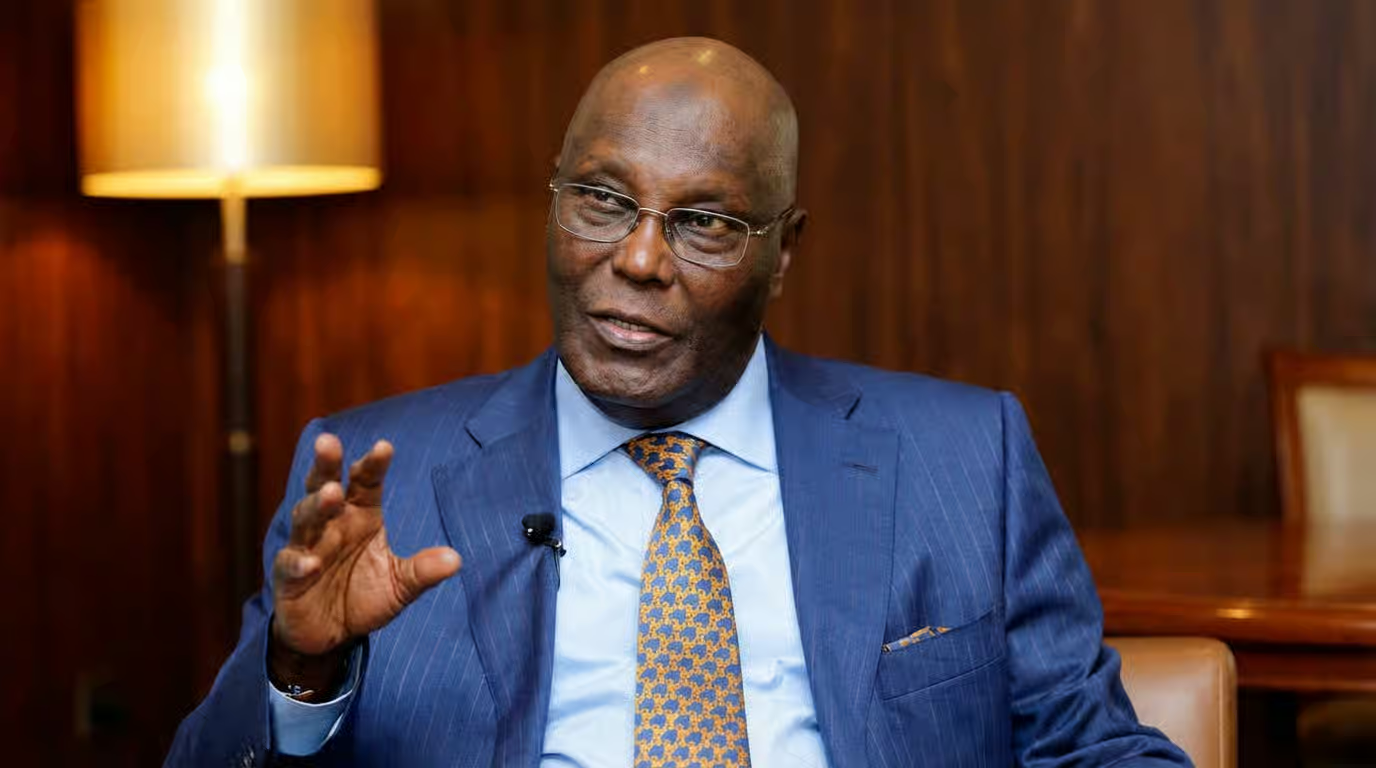
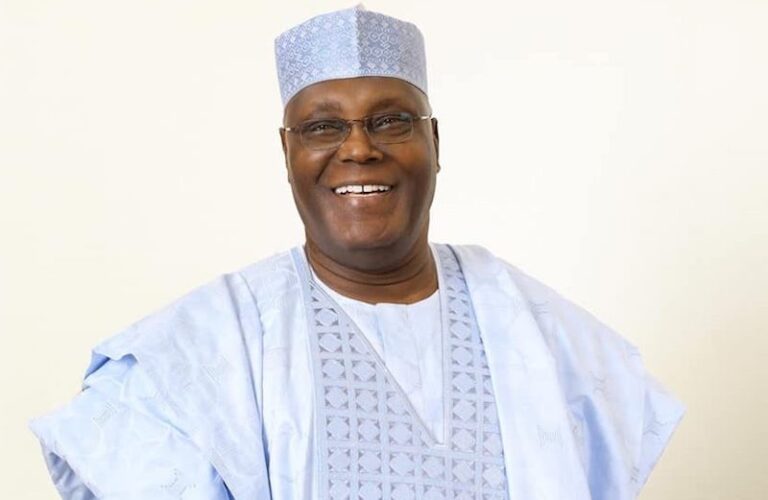
Atiku’s target is clear and it is bold: 20 million new jobs.
Not 20,000. Not 200,000. Twenty million.
Twenty million young men and women with a reason to wake up in the morning. Twenty million pay packets spent in markets, shops and motor parks. Twenty million fewer recruits for the forest, fewer passengers on the boats out of Africa, fewer mothers praying through the night for a child who has lost hope.
A target that size is not a slogan. It is a declaration of war on idleness, and it comes with a plan of battle.
Twenty million jobs. Twenty million reasons to vote.
WHY THE JOBS ARE NOT THERE
Jobs are not created by speeches. They are created when businesses can start, survive and grow.
Look at what a young Nigerian faces when he tries to start one.
He cannot borrow, because the banks want collateral he does not have and interest he cannot pay. He cannot rely on power, because the grid fails and diesel for a generator swallows his profit. He cannot move goods cheaply, because transport costs have exploded. He cannot easily reach markets beyond his town, because the roads are bad and the borders have been shut to honest trade.
So the barber closes. The tailor closes. The young man with the poultry farm sells his birds and goes back to the queue. The economy does not create jobs, because it has made it too expensive to be an employer.
Fix those conditions, and the 20 million jobs come.
A 10 BILLION DOLLAR FUND FOR YOUTH AND WOMEN
In his 12 Point Agenda to Rescue, Revive and Restore Nigeria, Atiku has committed to a 10 billion dollar Youth and Women Fund, dedicated to startups, entrepreneurship and inclusion.
Read that figure again. Ten billion dollars. Not a token palliative shared at a rally. Not a loan scheme you must know a minister to access. A national fund built for the young man with an idea and the young woman with a skill.
It means capital for the tech startup in Yaba, the fashion house in Aba, the poultry farm in Ogbomoso, the solar installer in Gombe and the food processor in Makurdi. It means the young person who has been told for years that he lacks capital will finally have somewhere to turn.
And it is not a new idea dressed up for an election. Atiku committed to a 10 billion dollar stimulus fund for small businesses before the last election. For 2027 he has sharpened it and aimed it directly at the two groups this economy has failed most: youth and women.
Ten billion dollars aimed straight at the people who have been told to wait.
HOW 20 MILLION JOBS WILL BE BUILT
A fund on its own is not enough. A business funded today will still die tomorrow if power, transport and markets remain broken. That is why Atiku’s plan attacks every condition at once.
Farms that employ. Atiku’s target is to support 20 million farmers to farm 20 million hectares of land. Under point 9 of his agenda, farms will be secured, costs reduced and farmers financed, so that agriculture becomes a career for the young and not a punishment.
Power that works. His target is to raise electricity generation to 20 million kilowatts. Under point 6, power sector reform will end discriminatory billing and make electricity affordable, so that the young welder and the young baker can work without being ruined by diesel.
Homes that build. His target is to support families to build 20 million new homes. Every home built means jobs for bricklayers, carpenters, plumbers, electricians, block makers and suppliers, most of them young.
Cheaper fuel. Under point 1, the capped production subsidy on fuel refined in Nigeria will lower transport costs, and every business that moves goods or runs a generator will feel it.
Open borders for honest trade. Under point 5, the land borders will reopen and legal cross-border business will be revived, giving young traders and producers the markets of West Africa.
Revived ports in the East. Under point 4, the ports of Port Harcourt, Calabar and Warri and the Uyo Deep Sea Port will be brought back to life, and every working port means thousands of jobs, from the dockworker to the clearing agent to the truck driver.
Students without chains. Under point 2, the student loan scheme will be reviewed, with student debt forgiveness and scholarships instead of loans, so that young Nigerians do not begin their working lives already in debt.
Farms, power, homes, fuel, borders, ports and education, all moving together. That is how 20 million jobs are built. Not by announcing them, but by making it cheaper, safer and more profitable to create them.
JOBS ARE THE BEST SECURITY POLICY
In an interview with BBC Hausa in August 2026, Atiku made the connection that too many leaders ignore. He tied insecurity directly to joblessness, and committed to providing adequate funding to help young people establish businesses.
Every young man who gets a workshop is a young man the bandits cannot recruit. Every young woman who builds a business is a family lifted, a community steadied and a market expanded.
Twenty million jobs is not only an economic policy. It is a security policy, a social policy and a moral duty, all at once.
HE HAS CREATED JOBS BEFORE
Atiku is not guessing about how jobs are made. He has made them.
In 1999, Nigeria had fewer than 500,000 telephone lines. Under the administration in which he served as Vice President, the GSM licences were auctioned in 2001, and an industry was born that went on to employ huge numbers of young Nigerians as engineers, technicians, agents, vendors, card sellers and phone repairers. Millions of young people found a living in an industry that did not exist before.
He built the American University of Nigeria in Yola with his own money, and it has trained thousands of young Nigerians.
A man who has created jobs knows the difference between a job announced and a job created.
He has opened doors for the young before. He is asking for the chance to open them wider.
TO THE YOUNG MAN AT THE KIOSK IN LOKOJA
To the graduate charging phones in Lokoja. To the young woman in Kano with a sewing machine and no shop. To the coder in Enugu who cannot afford the data to finish his course. To the corps member in Akure who already knows there is no job waiting. To the young farmer in Bauchi who wants to plant but has nothing to plant with.
You are not the lost generation. You are the generation that has been kept waiting.
And this article was not written for you to read and put away. It was written for you to pass on. Every word in it belongs to the friend who has lost hope, the brother who has stopped applying and the sister who has a skill and no capital. Share it in your family group, your church and mosque groups, your market association, your alumni group and your union. Read it aloud to the one who cannot read. Sit with the jobless graduate, the struggling trader, the indebted student and the farmer who cannot reach his land, ask them what worries them most, and show them where Atiku has answered it.
The propagandists have money. We have the truth, and we have each other. Every person you reach becomes a voter who knows why, and every voter who knows why will bring another.
The waiting ends with your vote.
You are the largest group of voters in this country. If the youth of Nigeria decide, nobody can stop them. Not money. Not intimidation. Not propaganda.
Collect your PVC if it is ready. Keep checking with INEC until it is. Bring your friends, your coursemates, your workmates, your church choir and your football team. On Saturday, 16 January 2027, go early, vote, stay and protect your vote until the result is pasted.
For six years you have written “I humbly apply”. On 16 January, do not apply. Decide.
Vote Atiku. Vote Amaechi. Vote ADC.
Next: Part 5, Dying small businesses.
#Atiku2027 #AtikuAmaechi2027 #AtikusAnswers #VoteADC
Aare Amerijoye DOT.B
Director General,
The Narrative Force
thenarrativeforce.org
20 October 2026