PART 2 OF 4: THE OFFICER WHO COULD NOT BE BOUGHT
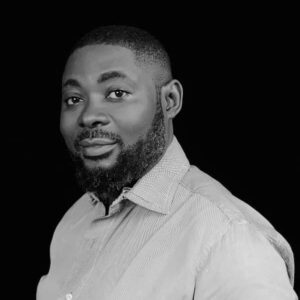
Aare Amerijoye DOT.B
In Part 1, we met the fatherless boy from Ganye who was booed for demanding one students’ association for all, and never sat down. We met the cadet who took the rank his schoolmates despised, the officer who walked into an ambush and came out tracking the smugglers home, the young man who welcomed defeated Igbo refugees back into the nation, and the Fulani husband who defeated prejudice to marry a Yoruba bride. We saw a helper who lifted others before he had anything to give.
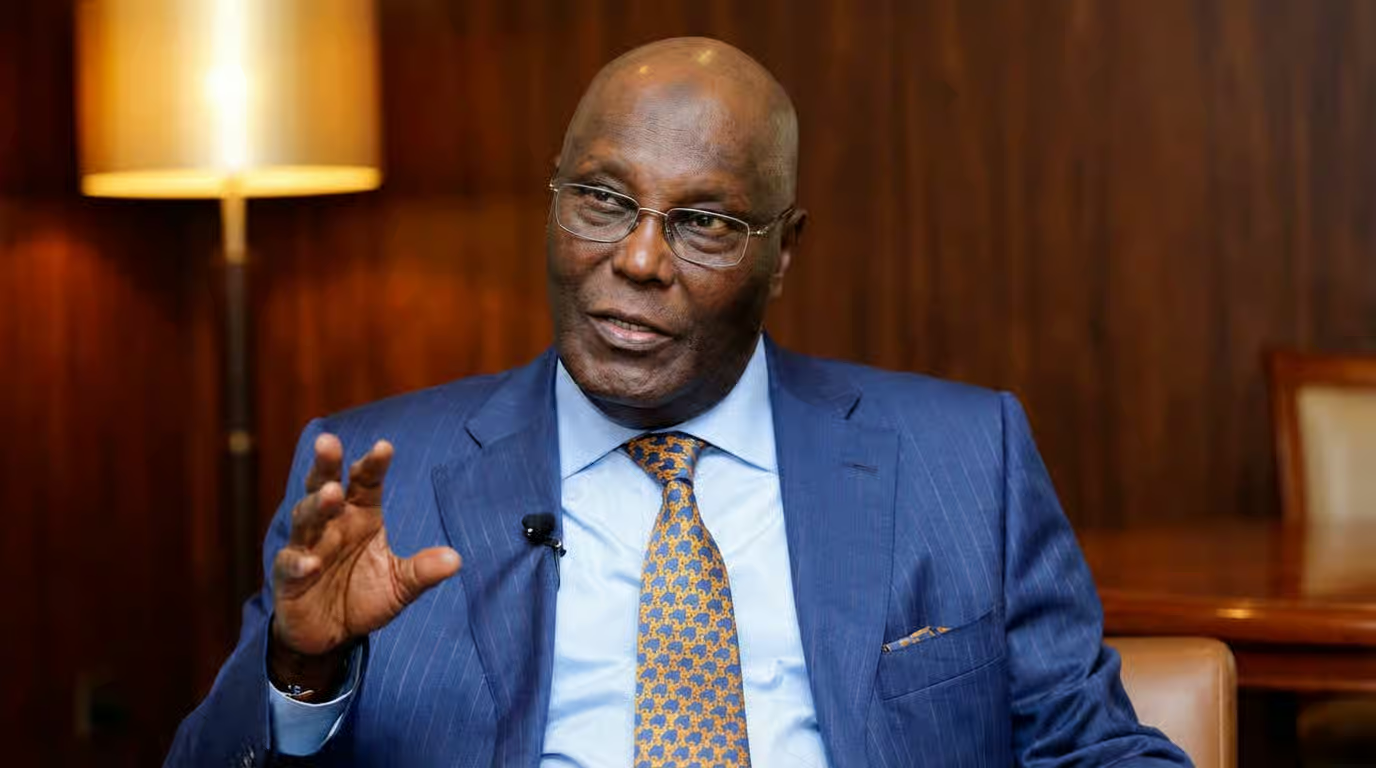
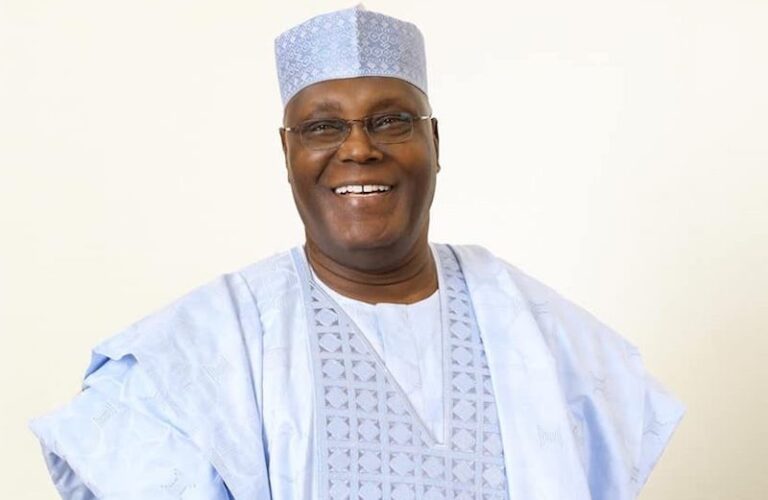
Now the test gets harder. Every Customs officer in Nigeria in the 1970s faced the same moment. A man across the desk. A file waiting for a signature. An envelope, or the promise of one. Nobody watching. Nobody would ever know. The only question was what each man would do with it. Here is what Atiku Abubakar did at that desk, again and again, for 20 years.
THE GATEWAYS OF A NATION
In 1972 Atiku was posted to Ikeja Airport, first in charge of baggage and later of administration, and was promoted Deputy Preventive Superintendent. Nigeria was building a new international terminal, modelled on Amsterdam’s Schiphol Airport, and the young officer represented Customs at the design meetings, supplying the department’s space and material requirements. He was still in his twenties, and he was already helping to shape the front door of the nation. That terminal opened in 1979 as the international wing of Murtala Muhammed Airport, and it has received the world on Nigeria’s behalf ever since. Prominent people he met there became close friends.
In 1974 he moved to Apapa, the largest and busiest seaport in the country, just as it tipped into the crisis the press called the Cement Armada. More than 400 vessels crowded Nigerian waters waiting for berths. Cement suppliers worldwide had rushed for the lucrative contracts, some of the ships were hardly seaworthy, and the nation was bleeding money in demurrage. A judicial panel headed by Justice Babatunde Belgore was later set up to investigate the scandal. In the middle of that chaos, Atiku worked extra hours at a place called Shed Six, examining passengers and luggage from the MV Auriel for illegal and undeclared goods. For Atiku, the crisis was a school, and he learned everything it had to teach about ports, shipping and the cost of disorder.
THE DESK WHERE CHARACTER IS TESTED
Here is the heart of the record. Corruption was rife in Customs in those years. Atiku was not part of it.
He never asked officers to bring him returns. He never connived with smugglers. Officers were afraid of him precisely because he would not take money. Many people tried to induce him, and he always refused. He saw Customs not as a punitive institution for extorting money from the public, but as a service to the nation. He was flexible, but firm.
Consider what that refusal cost. Every envelope he pushed back was money others in the service were happily taking home. Every smuggler he turned away was a potential enemy. He chose that path knowingly, and he walked it for two decades.
Do not take my word for it. Take the word of the men who sat across the desk from him.
Peter Okocha, a Delta Igbo graduate who had returned from the United States with a string of degrees and was already a successful shipping businessman, tells how Atiku discovered that he, as an importer, had been charged a lower duty than he should have paid, and did not hide it from him. Okocha was so impressed that he later said Atiku was “not very rich but he was not corrupt.” Atiku endorsed his papers without asking for a kobo, assigned his Principal Staff Officer, Aminu Sadiq, to help him, and treated him like a brother. Okocha remembers him as kind, helpful, simple and humane.
Okocha, one of the first graduates to enter the clearing and forwarding business in Nigeria, wanted a Customs licence of his own. The advice he received was the lawful one: incorporate a company first, then apply. He registered Chrismatel, built a business he has run for over three decades, and went on to seek the governorship of Delta State. He is proud that no man made him, and he says so. Yet of Atiku he says they have mutual respect and love each other, and that Atiku is his friend “today, tomorrow and next tomorrow.” An honest officer does not buy friendships like that. He earns them.
“Not very rich but he was not corrupt.” That was the verdict of a man he served without payment.
The clearing agent Otunba Oyewole Fashawe knew him from Idi Iroko and Gamboru. He called Atiku strict and no-nonsense, a man who kept away agents trying to cheat government revenue. Instead of helping anyone cut corners, Atiku advised Fashawe to register a company and apply properly for a Customs licence. Fashawe got it without Atiku compromising his position, and that company, Bako Services, grew into a multi-million naira business across many sectors. That is what honest regulation looks like: not a bribe but a path, not a favour but a future. Fashawe never forgot who pointed him to the lawful road, and today he is one of the most influential figures in Nigeria.
The story of that friendship did not end at the ports. In 1998, when Olusegun Obasanjo came out of prison broke, with children to feed and school, Atiku assigned Otunba Fashawe to raise funds for the upkeep of Obasanjo and his family.The young agent Atiku once guided to a lawful licence had become the trusted hand through which Atiku helped a former Head of State in his darkest season.
Obasanjo has since told the story of that season many times, thanking the foreign friends who came to his aid. The Nigerian who quietly arranged for his family’s upkeep goes unnamed. Atiku has never needed the credit. That is the difference between a man who helps in order to be seen and a man who helps because it is who he is.
In Maiduguri, where Mohammed Indimi, today one of Nigeria’s best known oil billionaires, had introduced him to the businessman Mai Deribe, Atiku advised Deribe on the importation of building materials. Deribe profited from the advice, and Atiku never asked him for a single thing. In gratitude, Deribe named a son and a daughter, Laila, after Atiku. Deribe went on to build his great fortune in oil and gas, becoming one of Nigeria’s early billionaires and the best known Kanuri businessman of his generation, and he gave Maiduguri the Deribe Hospital before his death in 2002. Men do not name their children after officials who squeezed them. They name their children after men they love.
Notice the pattern. Okocha, Fashawe, Deribe: Atiku did not merely refuse their money. He pointed each man to the lawful door, and each went on to greatness in his own right. Other officers took from the men before them; Atiku built them up. Till today, that is still what flows in Atiku’s veins: assisting people, mentoring people, and then watching them rise.
Set that beside what Nigerians have too often seen at their ports and borders: officials who left the nation poorer and themselves richer, and who could not name a single citizen they lifted without a price. The men Atiku dealt with became a governorship contender, one of the most influential figures in the country and one of Nigeria’s early billionaires, and he took nothing from any of them. That is the instinct Nigeria needs in the man who will sit across the desk from 200 million citizens.
He took nothing from the men he helped. He left them richer and the nation cleaner.
THE HOUSES THAT RENT BUILT
How, then, did Atiku become wealthy? The answer is written in bricks.
In 1974 he took a Federal Staff Housing Loan of 31,000 naira, about 5 years of his salary. He acquired a plot in Yola GRA and built a bungalow under his own close supervision. He rented it out and reinvested the rent in more buildings. Within a few years he owned 8 houses in choice areas of Yola. In Kaduna he later bought 6 more plots and built rental houses on them. He recognised early in life that he had a nose for business, and he used it lawfully, patiently and in the open. His houses came from a loan, a plan and the patience to reinvest.
“MURTALA MUHAMMED JUNIOR”
Posted to Ibadan and promoted Superintendent of Customs, Atiku was given a large official house in Iyangaku GRA, with the state Chief Judge and the army division’s commander as his neighbours. At work he championed the values of the General Murtala Muhammed era: discipline, probity, hard work, patriotism and dedication to duty. His colleagues watched him and gave him a nickname that says everything: “Murtala Muhammed Junior.”
Nicknames are not awarded by press releases. They are awarded by colleagues who see you every day, and his saw a man who lived the discipline others only talked about.
He warmly hosted his former boss, Controller Ogunbiyi, at his residence. Ogunbiyi never forgot it, and later asked for him by name for a posting. Atiku himself says he never lobbied for a posting and never refused one throughout his career.
CLEAN HANDS IN A DANGEROUS HOUR
Then came February 1976 and the coup led by Lt Col Buka Suka Dimka, in which the Head of State, General Murtala Muhammed, was assassinated. In the weeks that followed, careers and lives were destroyed by mere association.
On the morning of the coup, Atiku was at his desk early, working through his files as usual. His friend Captain Onyekweli was among the plotters, yet Atiku had no part in it, and he came through untouched. Loyal to his friends but never to their plots, he had kept his hands clean.
When the storm passed, there was nothing to find, because there had never been anything to hide.
A POLICY MIND IN KANO
In Kano, as Chief Superintendent heading the Preventive Unit, he and his boss, Abubakar Musa, fought smuggling hard despite hostility from those who profited from it. Together they sent proposals to headquarters that remain relevant today: high duties on commonly smuggled goods instead of outright bans, a common tariff system with neighbouring countries, and strict supervision of Customs officers to prevent collusion with smugglers. His position was clear: opening the borders is never the solution to smuggling.
Nigeria is still arguing today about border closures, import bans and smuggling across its frontiers. Atiku had set out a workable answer in an official report decades ago.
In Kano he also met Ladi. She described him as gentle and quiet, and later learned he was a very disciplined officer who knew his job, did not play around, and was both feared and respected by his subordinates. When her older sister, also a Customs officer, was posted to his office, he had her moved to a less stressful section. It was protection, not dislike. When Ladi’s father asked whether marriage would end her education, Atiku promised it would not, and pledged to support her up to university. He kept that promise. Ladi earned a BA in Education from Ahmadu Bello University in 1984 and became a teacher, passing on to other people’s children the education her husband had fought to protect. A man who promises a father that his daughter’s schooling will not end, and then keeps that promise, is a man whose word can be banked. Nigeria has heard enough campaign promises that died on inauguration day. Atiku’s promises have a record of being kept.
So now you know the officer. Honest when nobody was watching. Disciplined when others were comfortable. Thinking about policy when others were thinking about envelopes. Lifting people when others were squeezing them.
But honesty in a junior post is one thing. What does such a man do with real power? In Part 3, he turns 30 and is handed command of a territory spanning 6 of today’s states. A Head of State comes to hear his plan and leaves him with a gift. An ancient throne crowns him with a title meant for princes. And a course in far-off Finland will shape his vision of a modern Customs service. Part 3 is where the leader is born.
AtikuTheRecord #Atiku2027 #ADC #InformedInspiredInvolved
Aare Amerijoye DOT.B
Director General,
The Narrative Force
thenarrativeforce.org
22 September 2026