By Kunle Oshobi
Nigeria stands today at a dangerous crossroads. Inflation is crushing households, the naira has lost much of its value, unemployment remains stubbornly high, businesses are shutting down daily, and millions of Nigerians are slipping deeper into poverty. For many citizens, survival has become a full-time occupation. In moments like this, nations do not need experiments. They need tested leadership with a proven understanding of economic management.
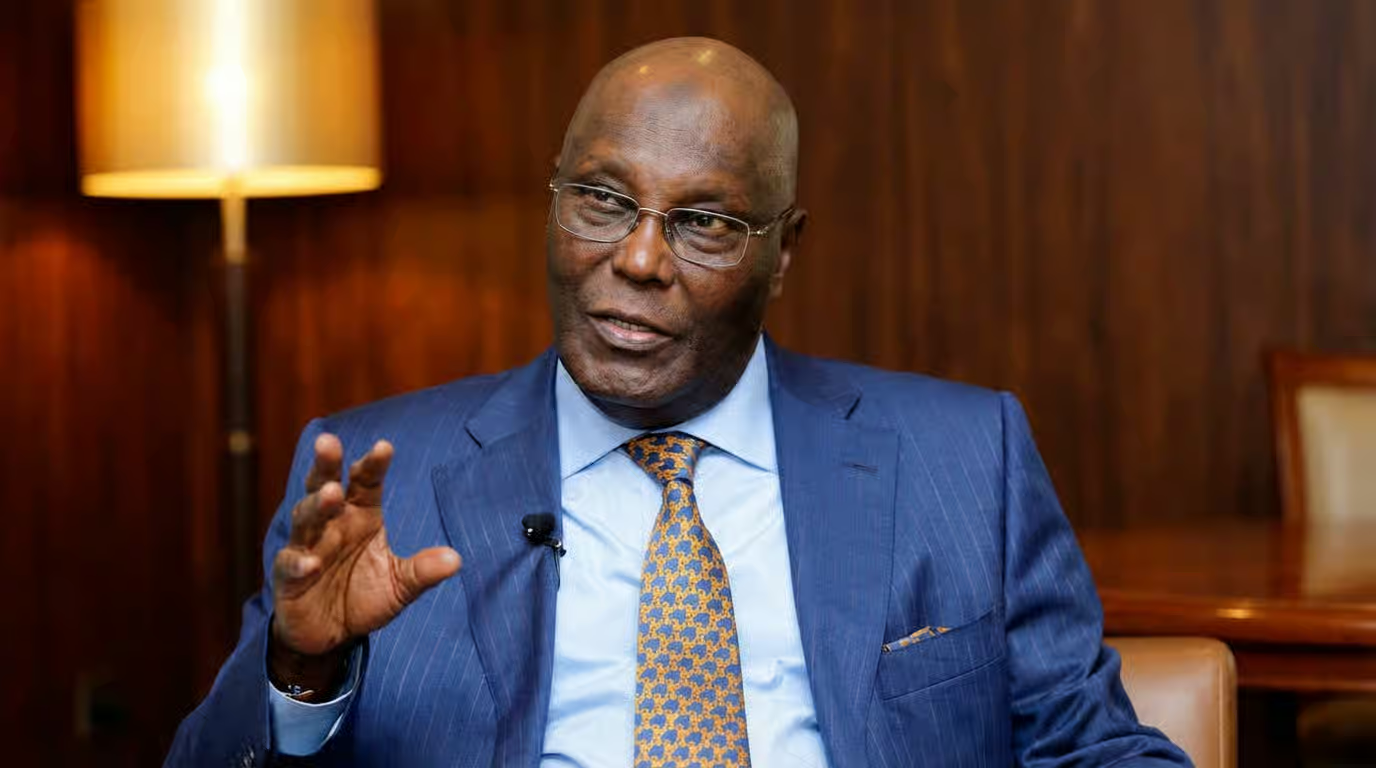
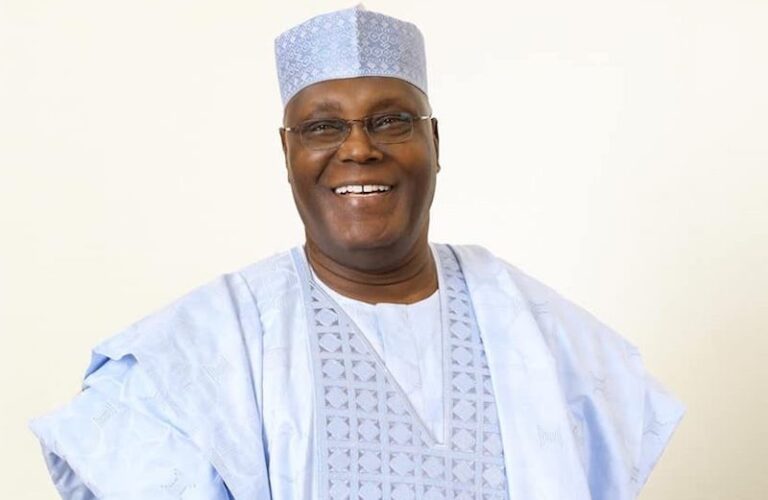
That is why Nigerians must seriously consider Atiku Abubakar as the country’s next president.
The argument for Atiku is not built on sentiment or tribal loyalty. It is built on economic history, administrative experience, and practical governance.
During the administration of Olusegun Obasanjo from 1999 to 2007, when Atiku served as vice president and chaired the National Economic Council, Nigeria witnessed one of the most significant periods of economic expansion in its modern history. Under that administration, Nigeria implemented far-reaching reforms in telecommunications, banking, privatization, pension management, and debt restructuring. These reforms transformed the economy from a stagnant state into Nigeria becoming Africa’s fastest-growing economy.
Most importantly, the economy recorded growth levels that Nigeria has struggled to replicate since then. Foreign reserves increased from $3 billion to $47 billion, investor confidence improved, and the private sector expanded rapidly. The liberalization of the telecom sector alone created millions of direct and indirect jobs and revolutionized communication across the country.
Atiku was not a ceremonial vice president. He was deeply involved in economic coordination and policy implementation. Even many critics of the administration acknowledge that he played a central role in driving the reform agenda that repositioned Nigeria economically.
Contrast that with Nigeria’s present condition.
Under Bola Ahmed Tinubu, Nigerians were promised economic renewal and prosperity. Instead, what citizens have experienced is severe economic pain without corresponding relief. The removal of fuel subsidy and the floating of the naira may have been economically defensible policies in theory, but the government’s execution has been chaotic and poorly managed. The result has been runaway inflation, collapsing purchasing power, and worsening hardship for ordinary Nigerians.
Food prices have become unbearable. Transportation costs have skyrocketed. Small businesses are folding under the weight of rising operating expenses. The middle class is shrinking rapidly, while millions more are joining the ranks of the poor.
Leadership is not merely about announcing bold policies; it is about managing consequences. Nigerians are not interested in economic theories that make life impossible for citizens. They want competence, stability, and measurable improvement in their daily lives.
This is where Atiku’s experience becomes especially important.
Unlike many politicians who rely heavily on rhetoric, Atiku has spent decades building businesses, creating jobs, and engaging directly with economic realities. He understands both public-sector administration and private-sector growth. That combination is rare in Nigerian politics.
His longstanding advocacy for restructuring, fiscal federalism, and greater private-sector participation also demonstrates a deeper understanding of Nigeria’s structural problems. For years, he has argued that Nigeria’s overcentralized system weakens productivity and stifles regional development. Today, even many who once opposed restructuring now admit that the current structure is economically unsustainable.
Some supporters of Peter Obi argue that he represents a better economic alternative. Certainly, Obi has built a reputation for prudence and financial discipline. However, governance must ultimately be judged by outcomes, not public relations.
During Obi’s tenure as governor of Anambra State, poverty indicators in the state reportedly worsened significantly. Despite repeated claims about savings and fiscal conservatism, the broader economic impact on ordinary citizens remains heavily debated. Governance is not simply about leaving money in government accounts; it is about creating prosperity, reducing poverty, expanding opportunities, and improving living standards.
Nigeria today requires more than cautious bookkeeping. It requires bold economic leadership capable of managing a complex national economy of over 200 million people. Running a state, especially one with unique commercial advantages like Anambra, is fundamentally different from managing Africa’s largest economy during one of its most difficult periods.
Atiku’s supporters also point to another important quality: political maturity.
Nigeria is an extremely fragile federation, divided along ethnic, religious, and regional lines. The next president must possess the experience, relationships, and national reach necessary to stabilize the country politically while rebuilding it economically. Atiku has spent decades building alliances across every part of Nigeria.
Whatever criticisms may exist against him, few can deny his broad national acceptability and political experience. This matters greatly in a polarized country.
Beyond politics, Nigerians must ask themselves a simple question: Which candidate has already demonstrated the capacity to help oversee economic growth on a national scale?
The answer is difficult to ignore.
Nigeria cannot afford another cycle of trial-and-error leadership. The country is already carrying enormous economic wounds. Investors are uncertain. Youth unemployment remains dangerously high. The naira is unstable. Public confidence in government has eroded sharply.
At moments of national crisis, experience matters.
Atiku represents a return to tested economic management, pragmatic governance, and market-oriented reforms that previously helped move Nigeria forward. He may not be a perfect candidate, no politician is, but elections are not contests for sainthood. They are decisions about competence, capacity, and national direction.
The central issue before Nigerians in the next election is not emotion and should not be about what part of the country the president comes from. It is survival.
Can families afford food?
Can businesses survive?
Can young graduates find jobs?
Can the economy recover?
Can Nigeria regain investor confidence?
Can citizens hope again?
These are the questions that should guide the national conversation.
Nigeria desperately needs leadership that understands economics not merely as theory, but as the practical management of people’s lives and livelihoods. The country needs leadership that has confronted economic crises before and delivered measurable growth.
For many Nigerians, that leadership is embodied in Atiku Abubakar.
And if the ultimate goal is rescuing the economy, restoring confidence, and rebuilding national prosperity, then voting for Atiku may well be the most practical and patriotic decision Nigerians can make.
Kunle Oshobi is the Head of Strategy and Planning, and Chairman of the Narrative Command of The Narrative Force