Aare Amerijoye DOT.B
History has a brutal but beautiful rhythm. It humbles even the most arrogant. Nigeria is approaching one such moment, and its crescendo will thunder in 2027. The myth of Bola Ahmed Tinubu, the emperor of Lagos, the self-styled architect of modernity, the choreographer of his own chorus, is cracking. The fable of his invincibility is being shredded by hunger, exposed by economic horror, and mocked by the very masses he once mesmerised. The hourglass is running out. His Waterloo is coming.
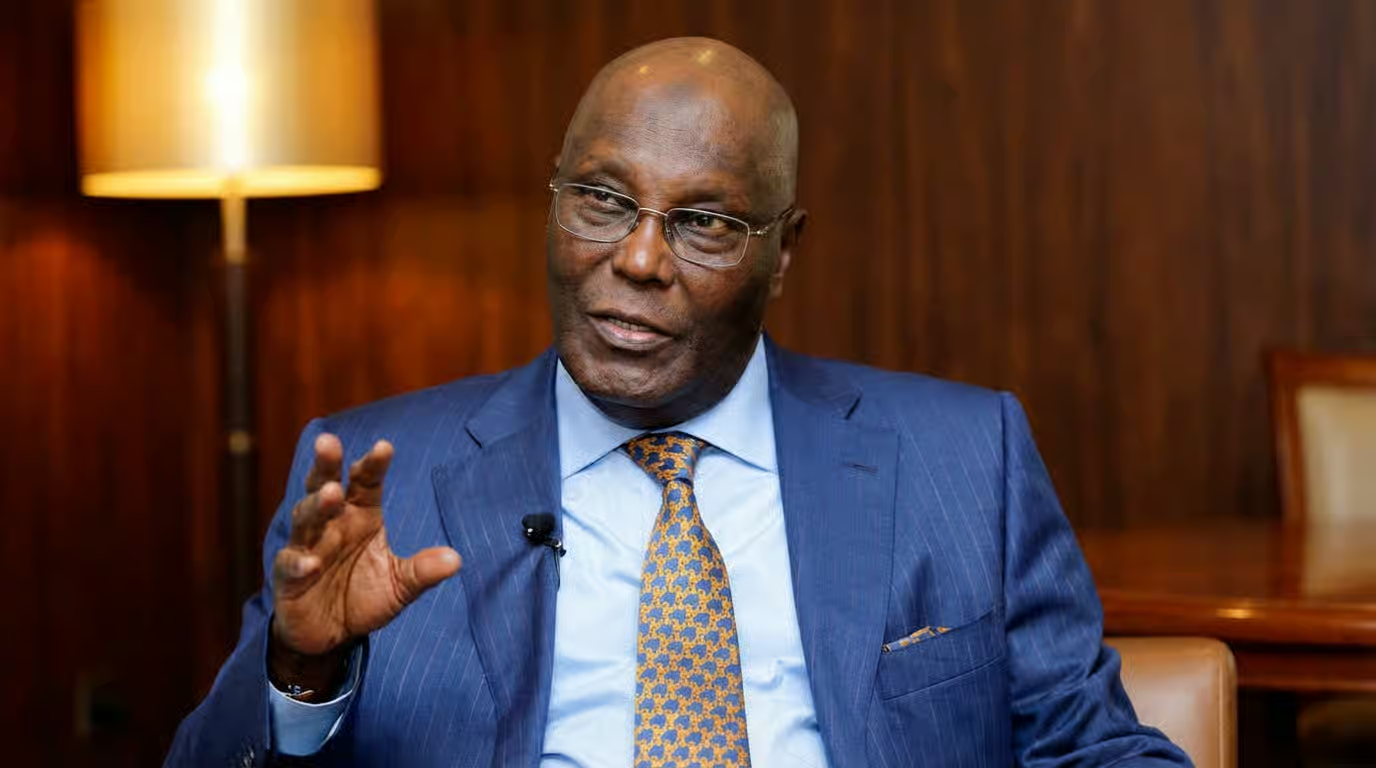
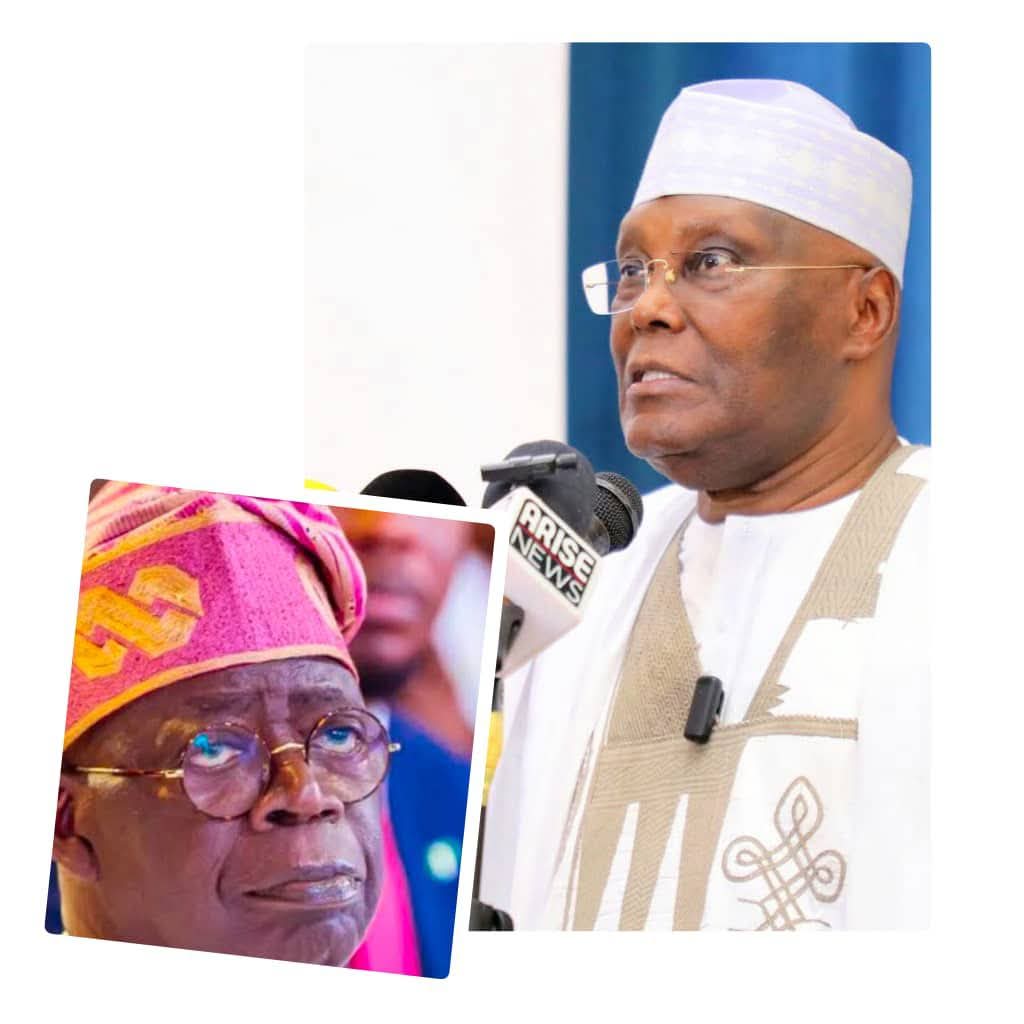
In recent weeks I have been in the thick of countless fiery conversations. The subject always ends at the same crossroad, Atiku Abubakar against Bola Tinubu. What begins as spirited debate often hardens into a verbal battleground, with every speaker bringing a private truth to the table. But one truth stands solid and unshaken amid all the argument, that life under Tinubu is nightmarishly unbearable. Nigerians are suffering. Not as a metaphor, not as a figure of speech, but as a tangible, relentless reality that chokes breath, dries blood, and wrecks dignity. And while the people groan under hunger, they are also being slaughtered. On the farms, on the highways, in the schools, and in homes that ought to be sanctuaries, blood keeps soaking the soil while the state looks away.
Yet, curiously, many still cling to the illusion that Tinubu is politically immortal, untouchable, invincible. That illusion is a virus. It must be cured.
AFFLICTION INSTITUTIONALISED
What Nigeria has under Tinubu is not governance. It is affliction institutionalised. A confused cocktail of harsh economic policies with no safety nets. A presidency deaf to pain and blind to poverty. He presents himself as the grandmaster of national reform, but his results scream otherwise.
His only proven legacy, many argue, is his Lagos succession plan, a scheme steeped not in altruism but in self-perpetuation, self-aggrandisement, and systemic control. It was never about people. It was about power. Lagos, his political laboratory, was never liberated. It was shackled with golden chains. And now he replicates that illusion on a national scale, cloaked in saviourhood while Nigeria bleeds.
Tinubu has become the symbol of an era where leaders manufacture their own applause. He is now deified beyond reason. His gait is hailed as statesmanship. His silences are interpreted as strategy. His every contradiction is whitewashed by a fanatical crowd trained to see perfection in failure. It is a theatrical display of blind loyalty, where even the absurd is worshipped.
A man now trapped in a self-created orbit of omnipotence, surrounded by cheerleaders too frightened to whisper truth. And yet, Nigerians are watching. Their silence is not consent. It is the silence before the storm.
And while he performs, the killing continues. Whole communities are emptied by bandits. Travellers vanish on roads no longer safe. Farmers are cut down on land that should feed the nation, and pupils are dragged from classrooms into the bush. Each fresh massacre earns a press statement, a delegation, a promise. Then another grave is dug, and another, until the dead no longer make the headlines. A presidency that cannot protect life has failed at the very first duty of government.
Their silence is not consent. It is the silence before the storm.
THE LESSON HISTORY KEEPS REPEATING
History is littered with leaders who imagined themselves immortal until they were reminded, rather rudely, that power is never permanent. Ferdinand Marcos of the Philippines once thought his charisma could silence the cries of his people, until the streets swallowed his regime. Robert Mugabe ruled Zimbabwe with revolutionary grandeur turned autocratic horror, only to be ousted by the very machinery he once controlled. Nicolae Ceausescu of Romania stood in apparent omnipotence one week and faced ruin the next.
These men were not undone by accident. They were overtaken by their people’s awakening. Tinubu is sauntering down the same perilous path, and 2027 will be his reckoning.
WHY ATIKU, WHY THE ADC
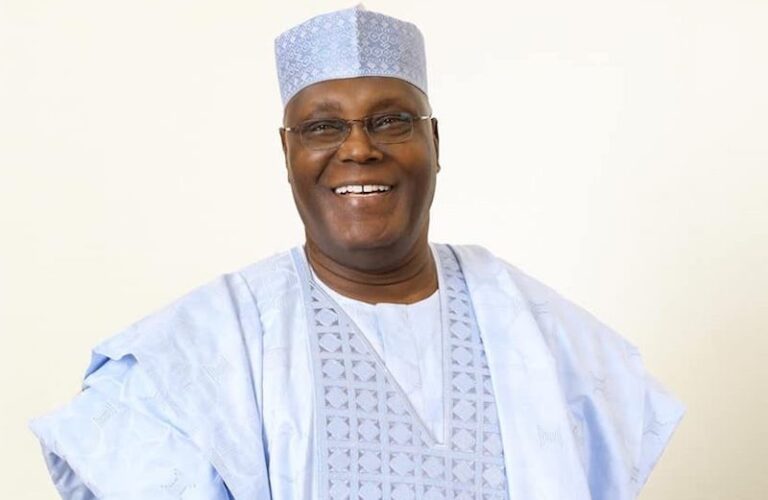
The road to ending this affliction must be walked with unity and purpose. And that is why the rise of the African Democratic Congress, with Atiku Abubakar as its standard-bearer, is no longer a mere political arrangement. It is a historical necessity.
It is the convergence of experience and reform, of federal understanding and a credible national platform. Atiku Abubakar, a man whose tenure as Vice President witnessed debt relief, institutional reform, and an economy that expanded as never before, brings the depth of knowledge and administrative wisdom these perilous times demand. Under the Obasanjo and Atiku administration, Nigeria’s economy grew from 58 billion dollars in 1999 to 270 billion dollars in 2007. That is not rhetoric. That is record.
The ADC is the vehicle of that record. It is the home of a coalition powered by pain, sharpened by experience, and committed to rescuing a battered nation. While Tinubu perfects pageantry, the ADC embodies purpose. While Tinubu wallows in old glories and surrounding sycophants, Atiku offers a model built on reason, reality, and responsibility.
This is not about personality. It is about possibility. Not about who shouts loudest, but about who can actually rescue.
This is not about personality. It is about possibility.
THE FEAR THAT MUST BECOME FIRE
Still, there is fear in the land. Fear that even amid mass hunger and economic death, Tinubu may yet buy the conscience of the poor with bullion vans and weaponised poverty. But fear is the greatest enabler of tyranny. As long as Nigerians keep surrendering to momentary inducements, the future will keep being auctioned to oppressors.
That fear must be replaced with fire. With fury. With fierce resolve. 2027 is not just another election. It is a national turning point.
Let it be known that the armour Tinubu wears is made of arrogance, not iron. It can crack, and it will. The myth of his invincibility is breaking daily, in the mouths of market women, in the eyes of children out of school, in the lamentation of unpaid workers, in the souls of unemployed graduates, and in the fresh graves of the slaughtered whose mothers still wait for a government that never comes. The people are angry. The people are awake. The people are waiting.
THE RECKONING OF 2027
The theatre of Tinubu’s self-glorification is closing. The orchestra of deception is playing its final tune. And in the wings stands the ADC, a movement of patriots driven by truth and committed to reclaiming their country. This is not merely an opposition. It is an obligation. A duty to history. A demand from destiny.
Nigeria is not a family heirloom. It is not a chieftaincy title to be passed down or seized. It is a nation battered but breathing, wounded but not wasted. And come the sixteenth of January 2027, Nigerians will speak, not with stones or swords, but with the only weapon that truly frightens any would-be emperor, the ballot.
The myth is dying. The emperor is naked. The end is near.
Tinubu will meet his Waterloo.
And this time, the people will write the history.
The Narrative continues………….
Aare Amerijoye DOT.B
Director General
The Narrative Force
thenarrativeforce.org
14 June 2026