Aare Amerijoye DOT.B
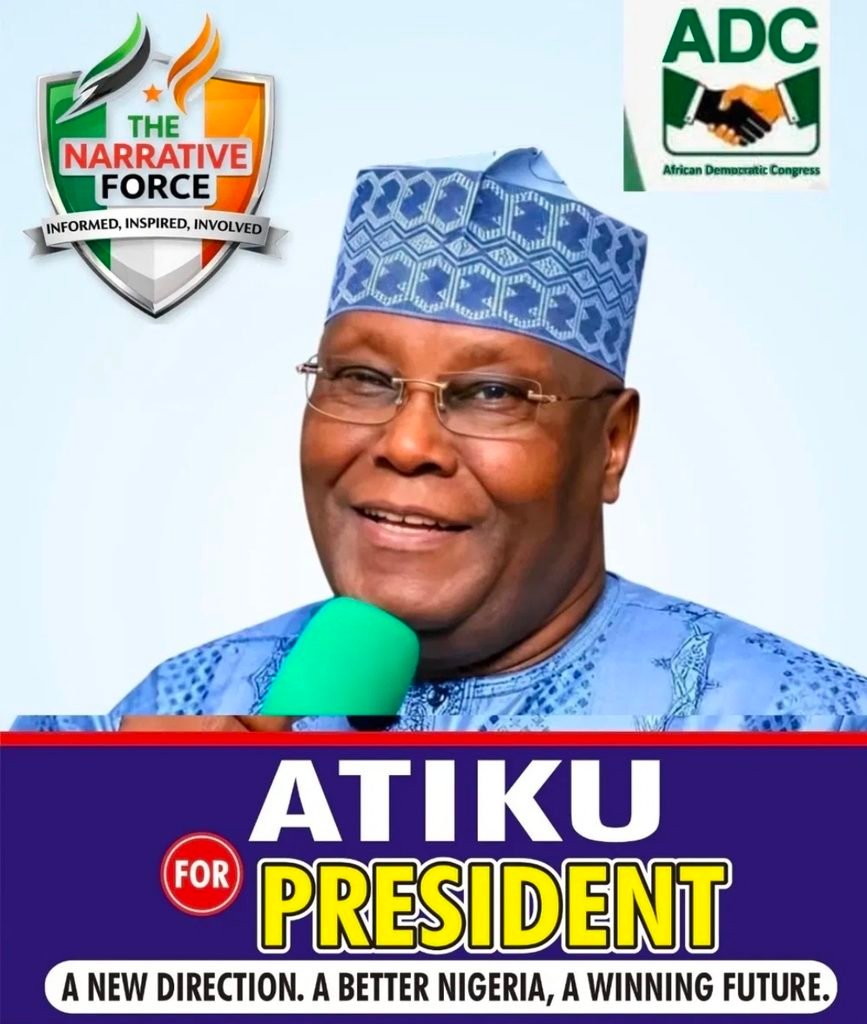
Before dawn in Kano, an achaba rider counts his notes twice at the filling station and still buys half of what he bought last year. In Onitsha, a trader switches off her generator by noon because the shop can no longer feed it. In Makurdi, a yam farmer pays the lorry more than the yams will fetch at market. In Okene, a teacher walks because the bus fare swallowed her week. In Ado Ekiti, a mother cuts the children’s second meal to keep the third.
They have never met. One sentence links them all.
Two sentences now stand before Nigerians. The first was spoken at Eagle Square in May 2023, and it emptied their pockets. The second was spoken in August 2026, and it has kept the Villa awake ever since.
ONE SENTENCE, NO VOTE
On 29 May 2023, Bola Tinubu declared that subsidy was gone. There was no framework, no cushion, no consultation and no transition. He was not proposing. He was pronouncing. The words were the policy, effective on utterance, and 200 million people woke up the next morning to absorb the shock of a decision none of them was asked about.
That morning, petrol sold for under 200 naira a litre.
THE PRICE OF FOUR WORDS
By the National Bureau of Statistics’ own count, the average retail price of petrol reached N1,596.25 per litre in May 2026, a 55.31 per cent rise on the year before. That is more than eight times the price on the day he spoke. And the climb has not stopped: Dangote’s ex-refinery price, the benchmark most depots follow, was raised four times after 20 August 2026, from N1,165 to N1,350 a litre by 12 September.
Every Nigerian already knows the chain. Fuel moves the bus, the bus moves the food, and the food decides whether a family eats. Tinubu did not raise the price of petrol. He raised the price of living.
He was not proposing. He was pronouncing.
THE MAN WHO WROTE AGAINST HIMSELF
In January 2012, when the Jonathan government moved to complete subsidy removal in one step, Tinubu was an opposition leader. He took up his pen against the abruptness of it and condemned the burden it placed on ordinary Nigerians. When the people protested, Jonathan listened and brought the price back to 97 naira within two weeks.
Eleven years later, the same Tinubu did the same thing, more completely, and refused to step back by a single naira. The pen of 2012 has never been explained. It was simply abandoned the moment power arrived.
GONE AT THE PODIUM, ALIVE IN THE LEDGER
Then came the second betrayal. The subsidy that was “gone” quietly returned through price caps, as the IMF confirmed in February 2024, and the government’s own ASAP report admitted 3.6 trillion naira spent on it in 2023 alone. Nigerians were told the subsidy was dead while the treasury kept paying for its funeral.
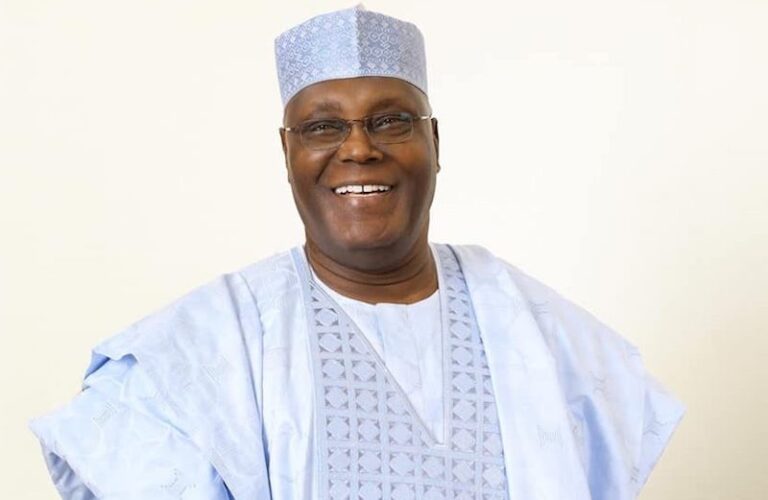
Atiku put it plainly: the expense was renamed a “shortfall” rather than a subsidy, but changing the name did not change what it was.
“Nigerians do not eat semantics.” Atiku Abubakar
WHERE IS THE MONEY
The Tinubu government’s own Finance Minister, Taiwo Oyedele, has put the savings from removal at 15.8 trillion naira between June 2023 and December 2025, with 5.4 trillion naira to the Federal Government and 10.4 trillion naira to the states and local governments. Then, in July 2026, he admitted to Reuters that the savings had been absorbed by debt servicing.
Read that again. The achaba rider in Kano paid more at the pump so that the creditors could be paid. The pain went to the people; the proceeds went to the debt. Let the government publish every kobo of the 15.8 trillion naira: where it went, which project, which account, which contractor. Until it does, the question stands over every pump in this country.
THE SENTENCE THAT SHOOK THE VILLA
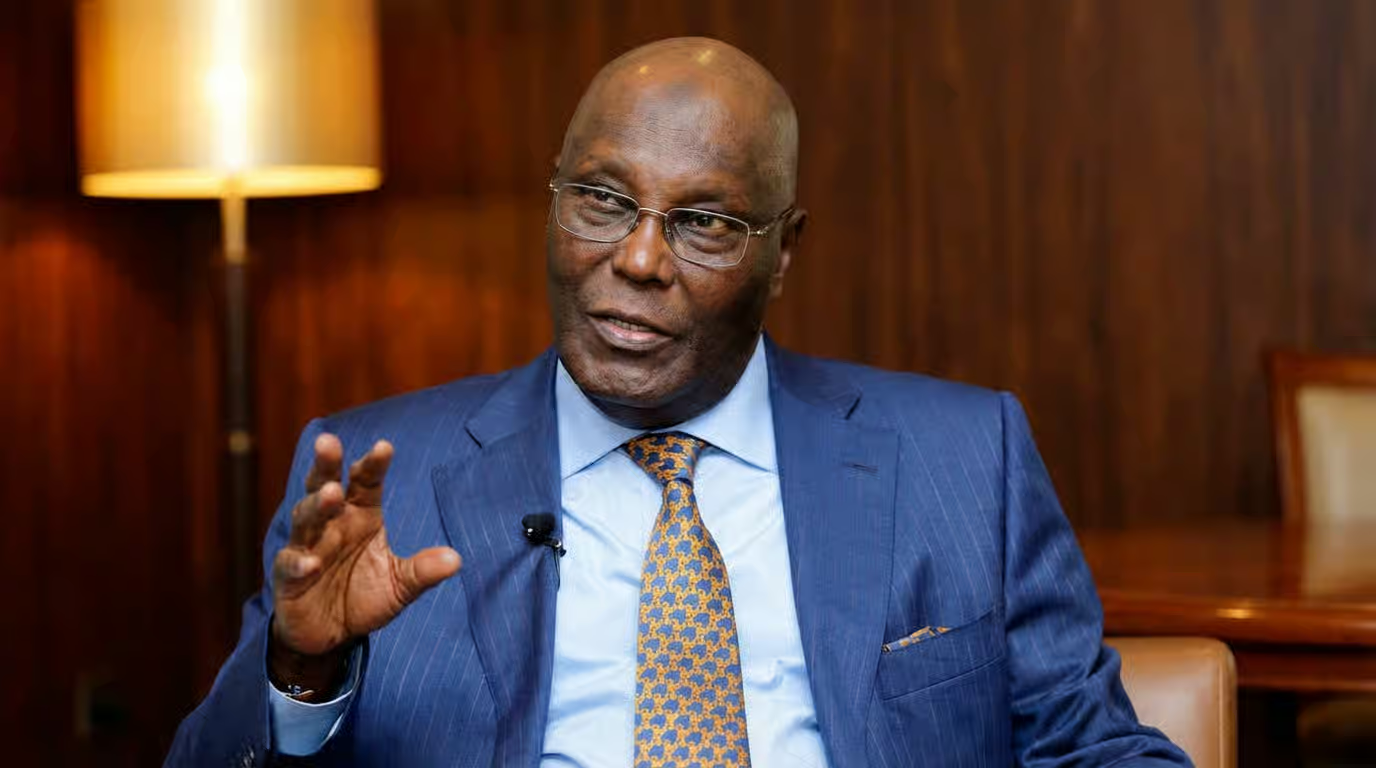
Watch what followed Atiku’s sentence. Within a day, Tinubu himself came out to answer it, calling it a demonstration of serious ignorance of governance and economy. Within a week, his spokesman Bayo Onanuga had issued a Statehouse statement branding it a U-turn, and the Information Minister had published an opinion piece against it. By September, the FCT Minister, Nyesom Wike, was asking whether Atiku is confused and returning to what he once called fraud. Opinion pages filled up with defences of the President’s “difficult decision”.
A President, a spokesman, a minister, a second minister and a row of hired pens, all aimed at one sentence. Peoples Gazette noted that petrol subsidy has dominated national discussion since that Wednesday.
Confident governments do not behave like this. A government sure of its record ignores a candidate’s pledge and lets the people’s bellies testify for it. This one cannot, because it knows what the people’s bellies would say. Since 19 August, the Villa has not been governing. It has been answering Atiku.
One sentence from a candidate, and the whole Presidency came running.
THE CRUELTY OF THEIR REPLY
What they said in that panic tells Nigerians everything about how they see them.
When Atiku explained the chain every market woman already lives, that when fuel rises, transport rises, and when transport rises, food rises, the Presidency called it a troubling oversimplification. Tell that to the mother in Ado Ekiti who cut the second meal. Tell it to the achaba rider in Kano. Their hunger is not an oversimplification. It is a daily arithmetic this government refuses to do.
When bishops warned in July that the nation was bleeding, the President’s answer was that it was not. When the people cry that petrol is eight times what it was, the answer is a lecture on economics. And when Atiku offered on 18 September to hand the idea over, telling Tinubu to rename it and even take the credit as long as Nigerians pay less, Tinubu refused and called the people’s suffering a necessary sacrifice.
A sacrifice. The word of a man who has never queued for anything. A sacrifice is something you choose to give. Nigerians chose nothing. It was taken from them at a podium, and every month since, they have been told to be grateful for the knife.
This government is not merely wrong on subsidy. It is insensitive to the pain it caused, and rattled by the man who promised to end it.
WHAT ATIKU WILL DO
Atiku has never treated deregulation as a crime. The Obasanjo and Atiku administration moved petrol from 20 naira to 75 naira across eight years in measured steps through the PPPRA framework, letting the economy absorb each move. That is what reform looks like when the people are counted in it.
His Atiku Economic Recovery Plan applies the same discipline to today’s wreckage. Subsidy moves from importation to production, from middlemen to Nigerian refineries, from unverifiable claims to verifiable barrels: targeted, capped, transparently budgeted and independently audited. As his campaign spokesman Kenneth Okonkwo has explained, the plan rests on domestic refining capacity, with government intervention to ensure local refineries obtain crude oil at affordable prices. And the stolen savings will be recovered.
This is a committed working document, published before the election and placed before Nigerians to examine. A working document you may examine and reject is not the same thing as a decree you must survive.
Tinubu changed his position in private, after a mandate. Atiku placed his plan in public, before one.
ONE HUNDRED DAYS
Today, 9 October 2026, exactly 100 days remain to 16 January 2027.
Keep every fuel receipt. Remember every fare. Count every meal your family skipped. On 16 January, carry all of it to your polling unit and hand it back to the man who said subsidy was gone. Then vote for the man whose one sentence has kept the Villa awake, and who will bring relief home.
#AtikuAmaechi2027 #WhereIsTheSubsidyMoney #100DaysToGo #TNF
Aare Amerijoye DOT.B
Director General, The Narrative Force
thenarrativeforce.org
9 October 2026