Aare Amerijoye DOT.B.

There is something profoundly delusional about celebrating the recent political developments in Osun against the African Democratic Congress (ADC) and its presidential candidate, Atiku Abubakar, in favour of President Bola Ahmed Tinubu, as though the people of the state have suddenly forgotten what they went through.
Political alliances may change. Politicians may negotiate and make new arrangements. But political manoeuvring among the elite does not automatically erase the experiences, grievances and memories of ordinary citizens.
Osun has been through a difficult political period.
Several people were killed, others were arrested, while many were humiliated, intimidated and subjected to political harassment. There was also the alleged misuse of security agencies, particularly the police, against citizens and political actors.
The economic pressure was equally severe. The controversy surrounding the withholding and freezing of government funds created serious concerns about the payment of workers, particularly local government employees and primary-school teachers. The Adeleke administration had to devise alternative arrangements to ensure that workers received their salaries.
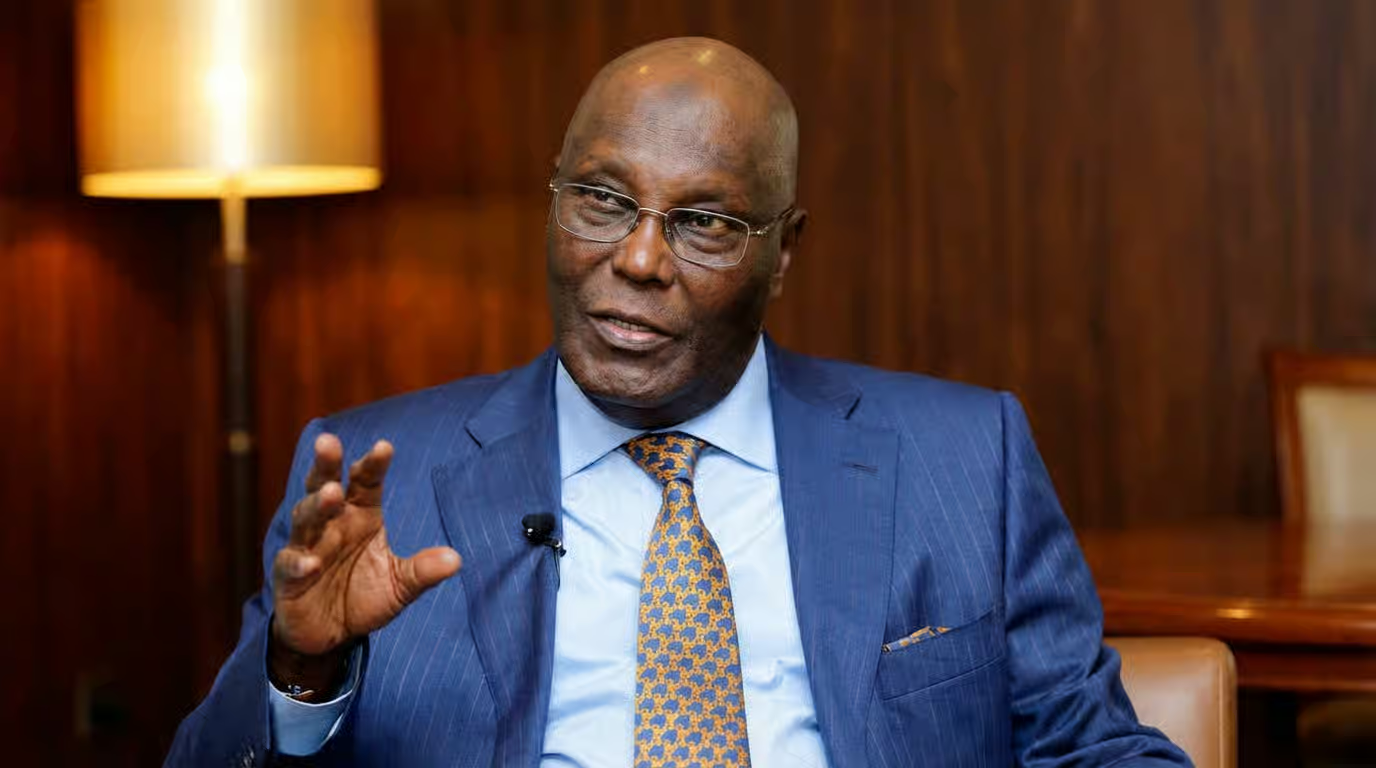
And Atiku Abubakar did not remain silent.
Atiku publicly condemned the freezing of Osun’s statutory allocation account, demanded its reversal and warned that such action could undermine democratic governance and affect the payment of workers and the provision of essential public services. He also emphasised the importance of allowing the people of Osun to determine their political future freely.
That intervention matters because the struggle in Osun was not simply about one political party against another. It was also about the protection of democratic institutions and the right of citizens to exercise their political choices without intimidation.
The people of Osun also endured the broader economic hardship affecting Nigerians across the country. Hunger, rising costs and economic misery became part of everyday life for many families. Against this background, the political pressure brought to bear on the state made the situation even more painful for many residents.
The APC leadership understood the importance of Osun. Its leaders were mobilised, and the party’s national political machinery was brought to bear because President Tinubu desperately wanted to consolidate his political influence in the state ahead of 2027.
Yet, despite all the political calculations, the people retained their right to make their own choices.
That is why those celebrating Governor Ademola Adeleke’s decision to work with President Bola Ahmed Tinubu should exercise some restraint.
Governor Adeleke has made his political choice, and he is entitled to make it. But his decision to work with Tinubu does not mean he has transferred the people of Osun or their votes to the President.
The people of Osun are not political property.
Adeleke can make an alliance with Tinubu; he can support him and even campaign for him. But he cannot personally cast the votes of millions of Osun residents. Those votes belong to the people, and when the time comes, each voter will make his or her own decision.
The real question, therefore, is not whether Adeleke has chosen to work with Tinubu. He has. The real question is whether the people of Osun will make the same choice.
And that is a question that neither Adeleke, Tinubu nor the APC propagandists can answer on behalf of the electorate.
A STRONG CANDIDATE CAN DEFEAT A STRONG POLITICAL MACHINE
Political parties are special-purpose vehicles for political participation and the attainment of political objectives. They are not the owners of the electorate.
A party can provide a platform, structure, resources and organisational machinery, but it cannot manufacture genuine popular support where it does not exist.
A strong candidate with deep grassroots connections can sometimes outperform a candidate backed by a much larger national political machine. This is particularly true in elections where voters make decisions based on personal experience, local performance, identity, trust and the credibility of the individual candidate.
Nigeria’s 2023 elections provided several examples of how difficult it can be for incumbency, party structure or national influence to guarantee electoral victory.
The lesson is simple: political parties contest elections, but voters decide elections.
A national party may control the Federal Government. It may have governors, senators, ministers, legislators and enormous financial and organisational resources. But none of these automatically translates into the votes of ordinary citizens.
That is why the APC should be careful about assuming that political agreements at the elite level have already settled the 2027 presidential election in Osun.
Adeleke may have chosen to work with Tinubu. That is his political decision.
But the people of Osun will make theirs.
They remember the killings.
They remember the arrests.
They remember the intimidation and humiliation.
They remember the economic hardship.
They remember the controversy over government funds and workers’ salaries.
They remember who spoke when it mattered.
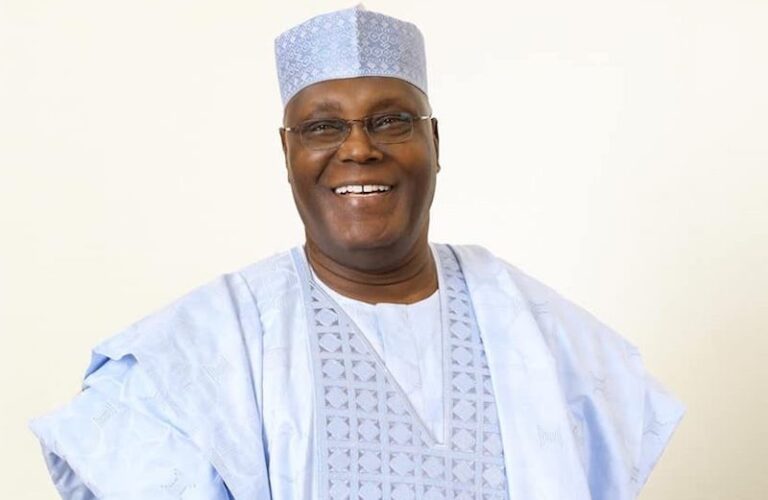
And they should also remember that Atiku spoke against the freezing of Osun’s account and warned against actions that could undermine democratic governance.
So, let the APC propagandists celebrate whatever political understanding they believe has been achieved.
But they should not mistake political manoeuvring for electoral victory.
Political parties are vehicles. Candidates are messengers. But the people are the owners of their votes.
Osun may forgive, but Osun will remember.
And when the time comes, Osun people—not political godfathers, not party propagandists and not Abuja—will decide where their votes go.
Aare Amerijoye DOT.B.
Director General
The Narrative Force