By Bello Mohammed
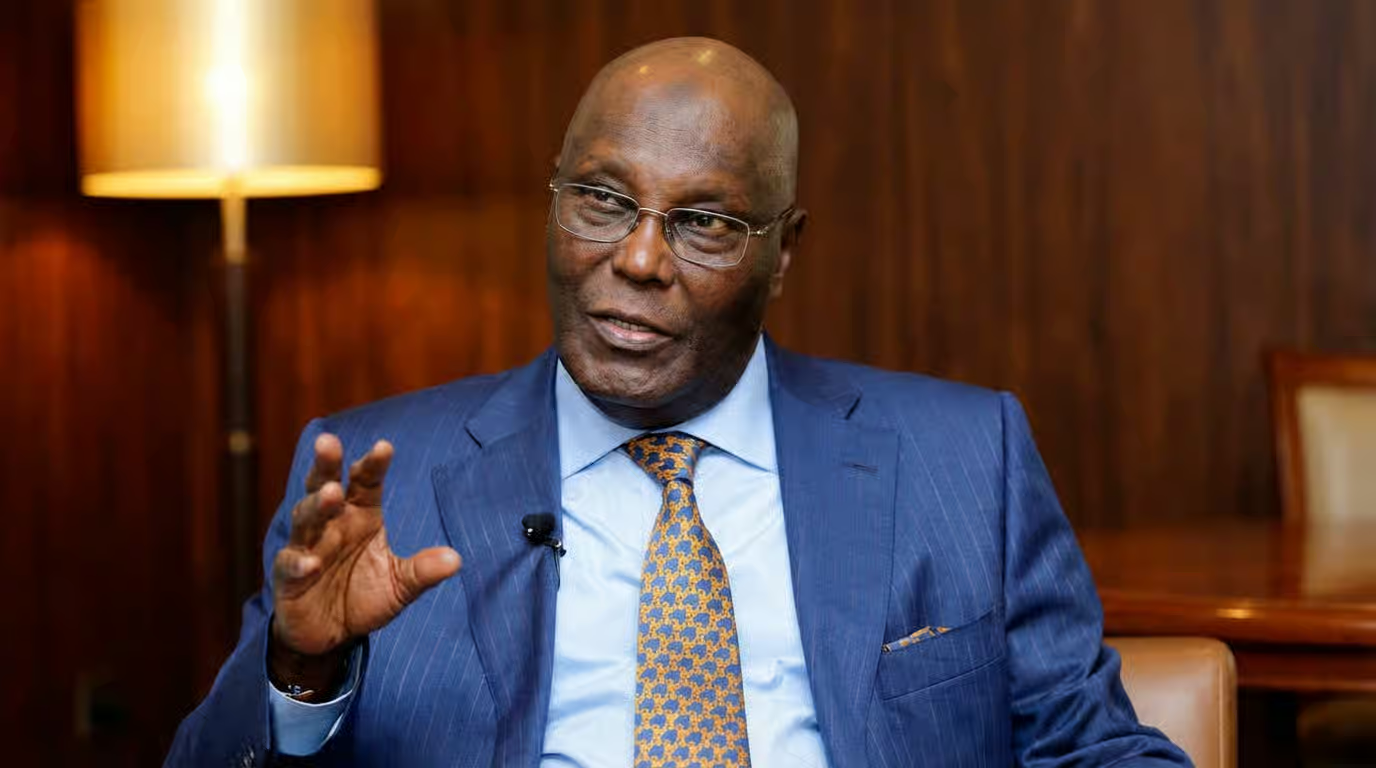
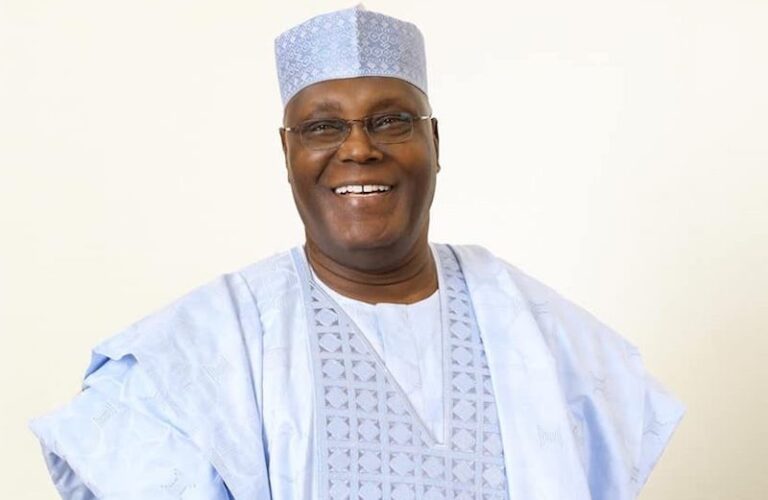
The periodic criticism of Atiku Abubakar by former President Olusegun Obasanjo is no longer surprising, regardless of the timing. What has become evident over the years is that each fresh attack appears to revive memories of the failed third term agenda, a political project that was widely believed to have been frustrated, with Atiku alleged to have played a leading role in resisting it. It is therefore understandable why Obasanjo repeatedly returns to the subject, directly or indirectly, whenever he comments on Atiku’s political aspirations.
Many observers believe that these recurring remarks reflect unresolved political differences rather than objective assessments of Atiku’s leadership or capacity.
While every former leader has the right to express an opinion on national affairs, repeated personal attacks risk creating the impression of a lingering political grievance instead of contributing constructively to public discourse.
Despite his prominence as a former Head of State and former President, Chief Olusegun Obasanjo is no longer the political force he once was. His interventions continue to attract media attention because of his stature, but the political landscape has changed significantly. Today’s electoral outcomes will be determined more by the will of the people than by the endorsements or criticisms of any single elder statesman.
For this reason, Atiku Abubakar would be well advised not to be distracted by these recurring criticisms. Rather than engaging in a war of words, he should remain focused on building a broad national coalition, strengthening his support base across the country, and presenting Nigerians with a compelling vision of good governance, economic recovery, national unity, and democratic renewal ahead of the 2027 general election.
There are also those who argue that Obasanjo’s political calculations may ultimately favour the continuation of the present administration by supporting political alternatives that may struggle to secure widespread electoral acceptance, particularly in parts of Northern Nigeria. Whether or not this assessment is accurate remains a matter of political opinion, but it underscores the strategic considerations that often shape endorsements and alliances during election cycles.
It is noteworthy that Atiku has largely maintained his silence in response to Obasanjo’s criticisms. One of the few occasions he addressed their relationship was during an interview on Arise Television, where he recalled that, while serving as Vice President, he voluntarily waived any claim to immunity when Mallam Nasir El Rufai and Mallam Nuhu Ribadu informed him that they had been directed by President Obasanjo to investigate him. According to Atiku, he fully cooperated with the investigation, and no adverse findings emerged from the exercise.
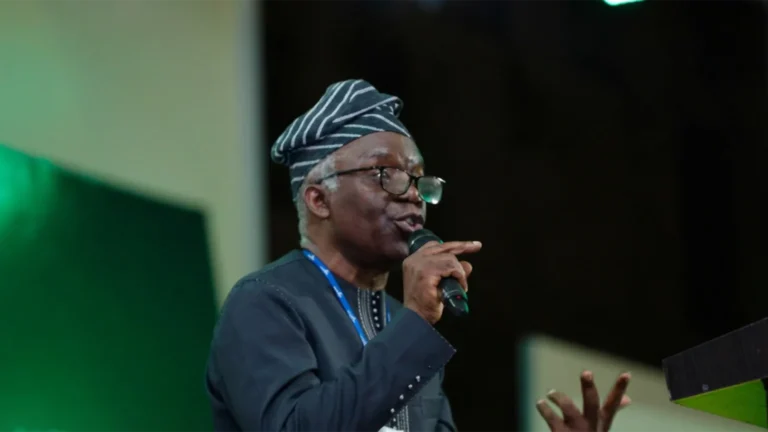
History will continue to judge the roles played by both men in Nigeria’s democratic journey. It is worth recalling that after his release from prison, Olusegun Obasanjo was supported by influential political and military figures who backed his emergence as President instead of other prominent aspirants from the South West, including Chief Olu Falae. Whatever disagreements may exist between Obasanjo and Atiku today, the nation’s greater interest lies in strengthening democratic institutions, encouraging issue based politics, and allowing the Nigerian people to determine their leaders through free, fair, and credible elections.