Aare Amerijoye DOT.B
When your salary shrinks, your savings vanish, and your business trembles, someone is governing badly. That is not opposition rhetoric. It is economic arithmetic. Inflation does not vote. Exchange rates do not belong to parties. Market prices are brutally neutral. They simply expose competence — or the lack of it.
Nigeria is not merely declining; Nigeria is being diminished in full daylight. A nation once hailed as Africa’s Giant now negotiates survival like a debtor pleading for extensions. We carry the weight of nearly two hundred million citizens, yet cannot carry the weight of coherent governance. Markets convulse. Prices spiral. Hope contracts. The Giant still stands in census figures, but in economic confidence it stoops. What was once promise now feels like parody.
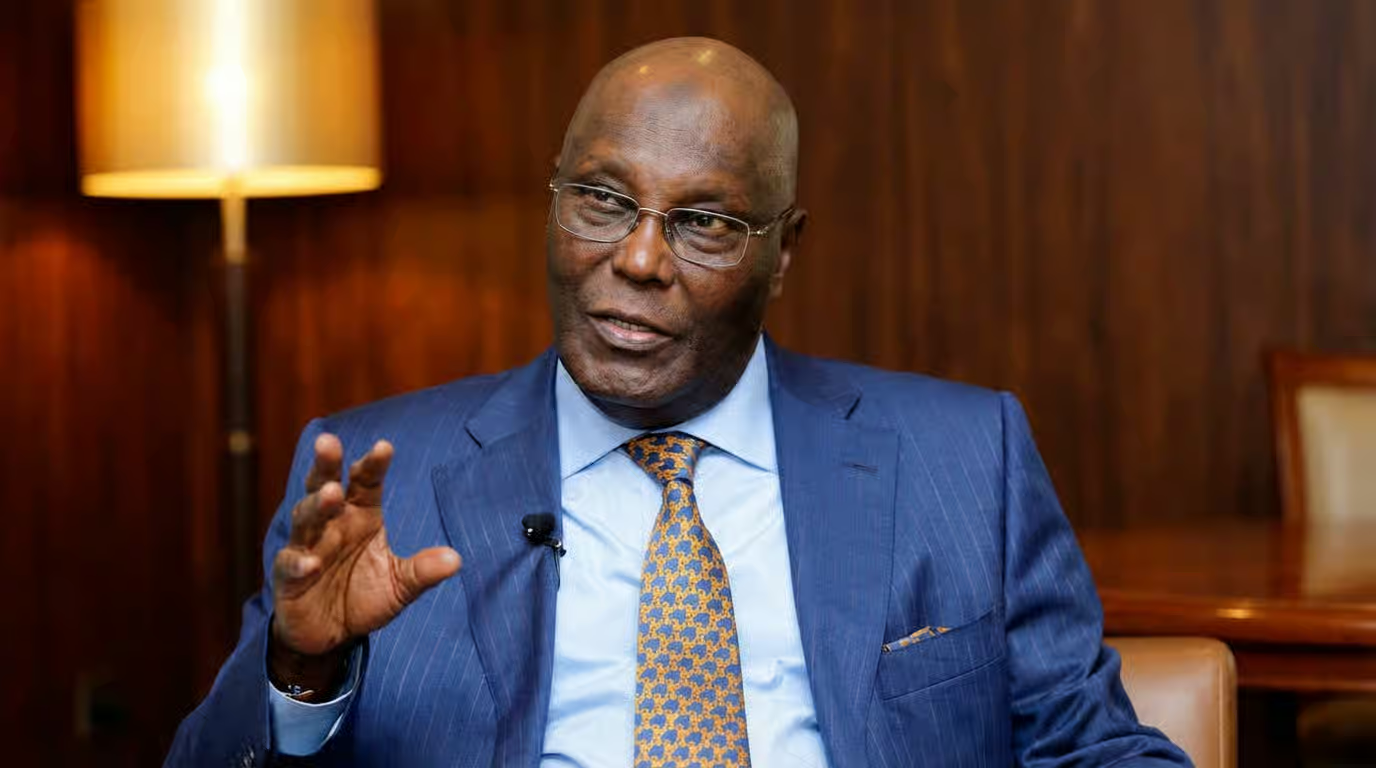
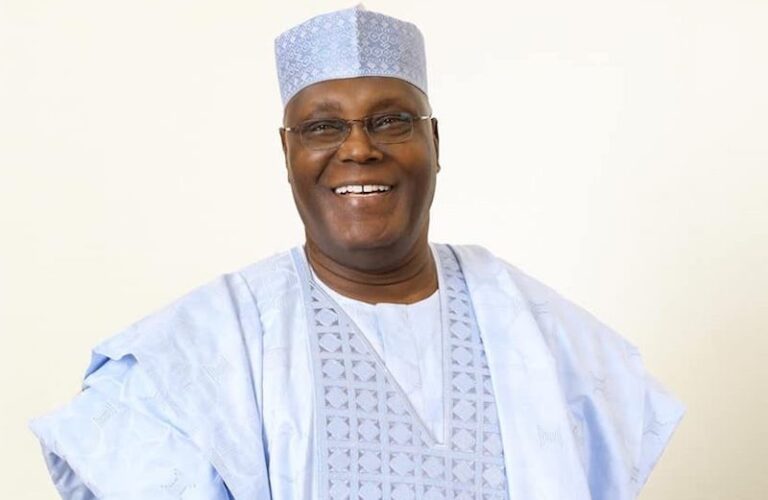
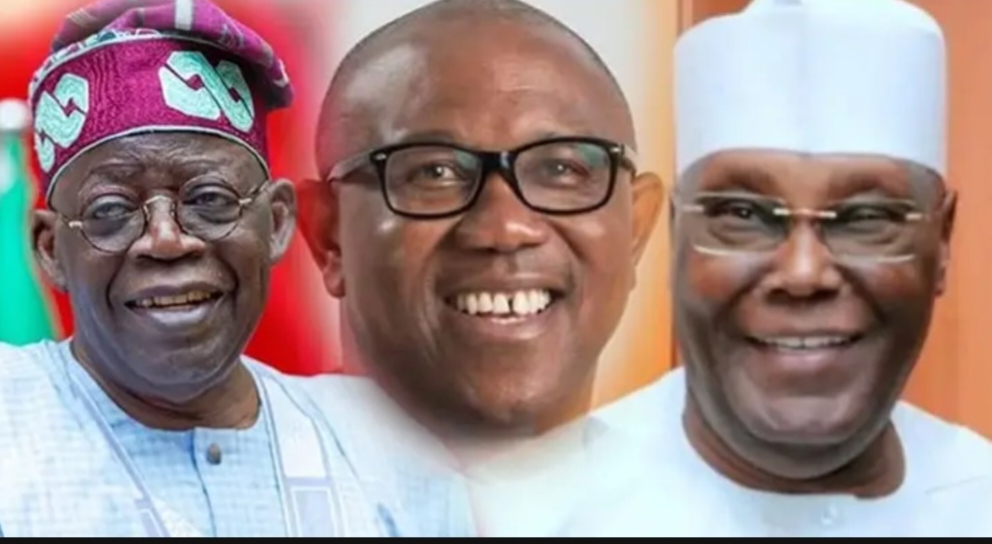
In moments of such national contradiction, the name Atiku Abubakar forces a comparison too uncomfortable for the establishment to entertain. While the present administration improvises reform as spectacle, Atiku’s record represents structured economic engagement. When Nigeria previously undertook privatisation, fiscal restructuring, and debt negotiations that restored macroeconomic credibility, it was under a leadership framework in which Atiku played a central reformist role. Investors returned. Growth rebounded. Confidence stabilised. That was not mythology. It was method.
Nigeria remains Africa’s most populous nation and one of the largest in the Commonwealth after the United Kingdom, India and Pakistan. In the 1960s she was dubbed Africa’s Giant not merely because of numbers, but because of direction. Population alone does not confer greatness. Direction does. Today, we have retained the numbers but forfeited the navigation.
Under President Bola Ahmed Tinubu and the All Progressives Congress, governance has been recast as endurance theatre. Citizens are told that suffering is sacrifice and that inflation is evidence of courage. Fuel subsidy removal was executed without sufficient social cushioning. Exchange rate unification arrived without stabilisation architecture. The naira weakened sharply. Inflation surged into punishing double digits. Small businesses suffocated under energy and import costs. Yet the narrative insists that this turbulence is transformation.
Aristotle observed that the state exists to enable citizens to live well, not merely to exist. John Locke argued that government derives legitimacy from its protection of life and property. When purchasing power evaporates, savings erode, and livelihoods collapse, legitimacy cannot hide behind slogans. A government may demand patience, but it must also deliver predictability.
Consider the lived reality. A graduate with distinction now drives a commercial tricycle to survive. A market trader reprices goods twice in one week because currency volatility has turned inventory into a gamble. Manufacturers scale down production because energy costs and forex uncertainty have rendered planning speculative. Reform without insulation becomes punishment. Policy without sequencing becomes shock.
Had Atiku been in charge, subsidy reform would not have been deployed as fiscal ambush but as calibrated transition. Exchange rate reform would have been anchored in phased stabilisation and investor confidence. His long-standing advocacy for restructuring would have empowered subnational governments to generate wealth instead of depending perpetually on allocation. Markets respond to clarity. Investors respond to credibility. Youth respond to opportunity.
The African Democratic Congress offers Nigerians a disciplined alternative to the fatigue of incumbency. It does not romanticise hardship or trivialise inflation. It recognises that economic liberalisation must be accompanied by institutional strengthening, regulatory transparency and social buffers. Reform is not merely the removal of subsidies. It is the construction of systems.
Thomas Jefferson warned that when government fears the people, there is liberty. Today, Nigerians fear the next announcement. They fear the next price adjustment. They fear the next economic surprise. Governance should reduce anxiety, not institutionalise it.
It is convenient to dismiss criticism as opposition noise. It is harder to dismiss shrinking purchasing power, rising unemployment and fragile investor sentiment. The APC administration has mistaken velocity for vision and austerity for achievement.
Nations do not rise on rhetoric. They rise on coordinated economic architecture.
Atiku’s philosophy is neither mystical nor sentimental. It is market conscious and institution driven. It recognises that private enterprise is the engine of growth and that the state’s role is to create an enabling climate. During the reform era in which he served as Vice President, Nigeria exited the Paris Club debt trap and strengthened fiscal frameworks. These were not accidental outcomes. They were products of structured engagement with global financial systems.
Chinua Achebe once wrote that the trouble with Nigeria is simply and squarely a failure of leadership. That diagnosis remains relevant. The Giant’s problem is not potential. It is stewardship. A nation that can feed a continent should not struggle to feed its citizens. A country that trains world class professionals should not export them in despair.
There is a Yoruba adage that when the roof leaks, you do not praise the rain; you repair the house. Nigeria’s roof is leaking through inflation, currency instability and fragile industrial growth. Praising the storm does not protect the occupants. Repair does.
The choice before Nigerians is not emotional. It is structural. Continuity of improvised turbulence or transition to experienced economic management. Population without productivity or numbers converted into national strength. A government that explains hardship or a leadership that engineers recovery.
Nigeria’s greatness was interrupted, not extinguished. Under credible stewardship, the Giant would not merely regain balance; it would stride forward with renewed momentum. The difference between decline and resurgence is not fate. It is leadership.
Aare Amerijoye DOT.B
Director General,
The Narrative Force