Aare Amerijoye DOT.B
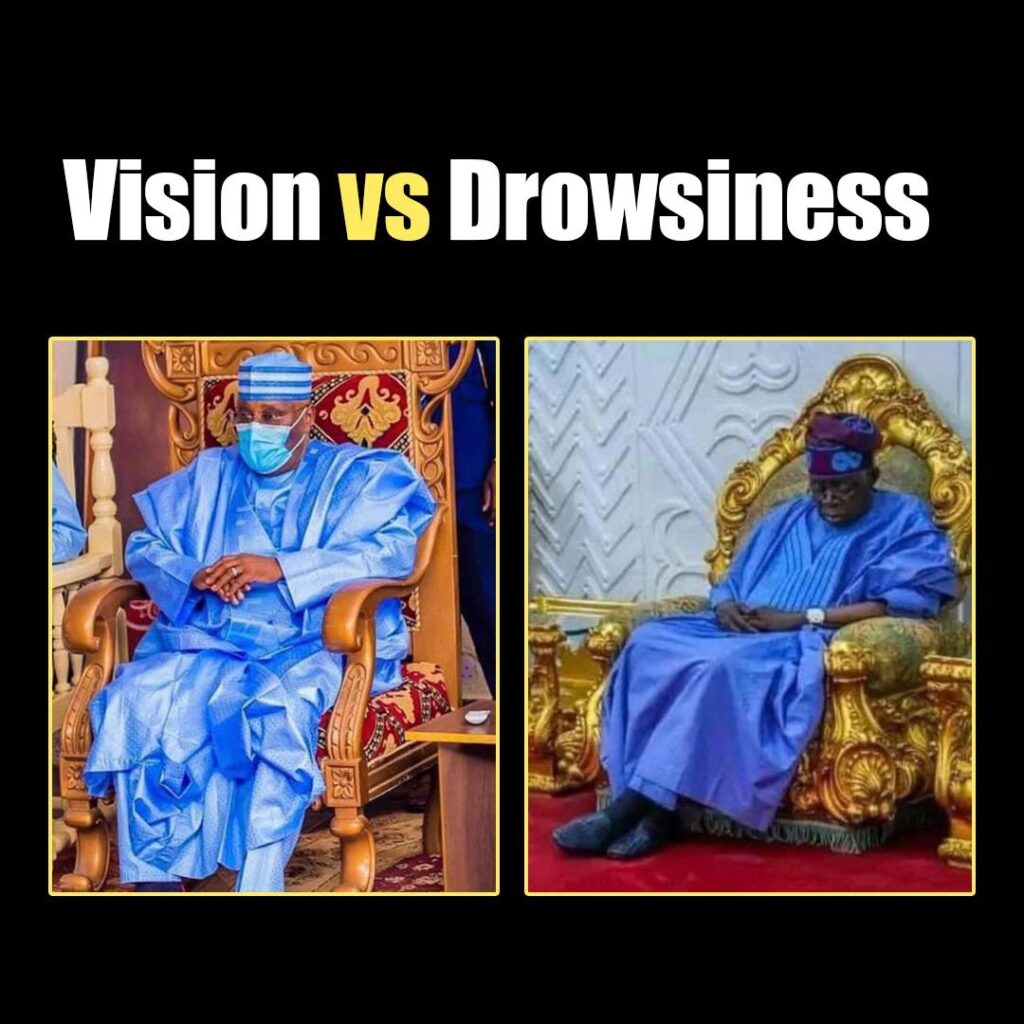
There are moments in a nation’s life when images stop being incidental and begin to function as evidence. When what the public sees confirms what it has long endured. Nigeria is living through such a moment.
Under the stewardship of Bola Ahmed Tinubu, the country has descended not merely into economic hardship but into a deeper and more dangerous condition: administrative imbalance. Decisions wobble. Policies stagger. Explanations arrive breathless and belated, while consequences strike with ruthless immediacy. What Nigerians experience daily is not governance under pressure, but governance struggling to stay upright.
From the fuel subsidy debacle to the violent oscillations of the naira, from suffocating inflation to spreading insecurity, the Nigerian state now behaves like a structure built on exhaustion. Markets are anxious, workers are drained, families are rationing hope alongside food. This is not reform. It is a nation being managed by fatigue.
William Blake once warned that “If the doors of perception were cleansed, everything would appear to man as it is.” Blake wrote from the margins of power, dismissed in his lifetime, yet he understood what rulers often forget: when perception is clouded, reality becomes distorted. Today, Nigeria suffers not just from bad policy, but from blurred perception at the centre of power. This explains the contradictions, the policy reversals, the improvisations masquerading as strategy. A government that constantly explains itself is a government that has lost its grip on consequence.
The tragedy of the APC era is not simply that Nigerians are suffering; it is that suffering has been normalised. Pain is explained away. Hunger is intellectualised. Failure is rebranded as patience. Under the watch of the All Progressives Congress, hardship has been turned into a permanent policy environment.
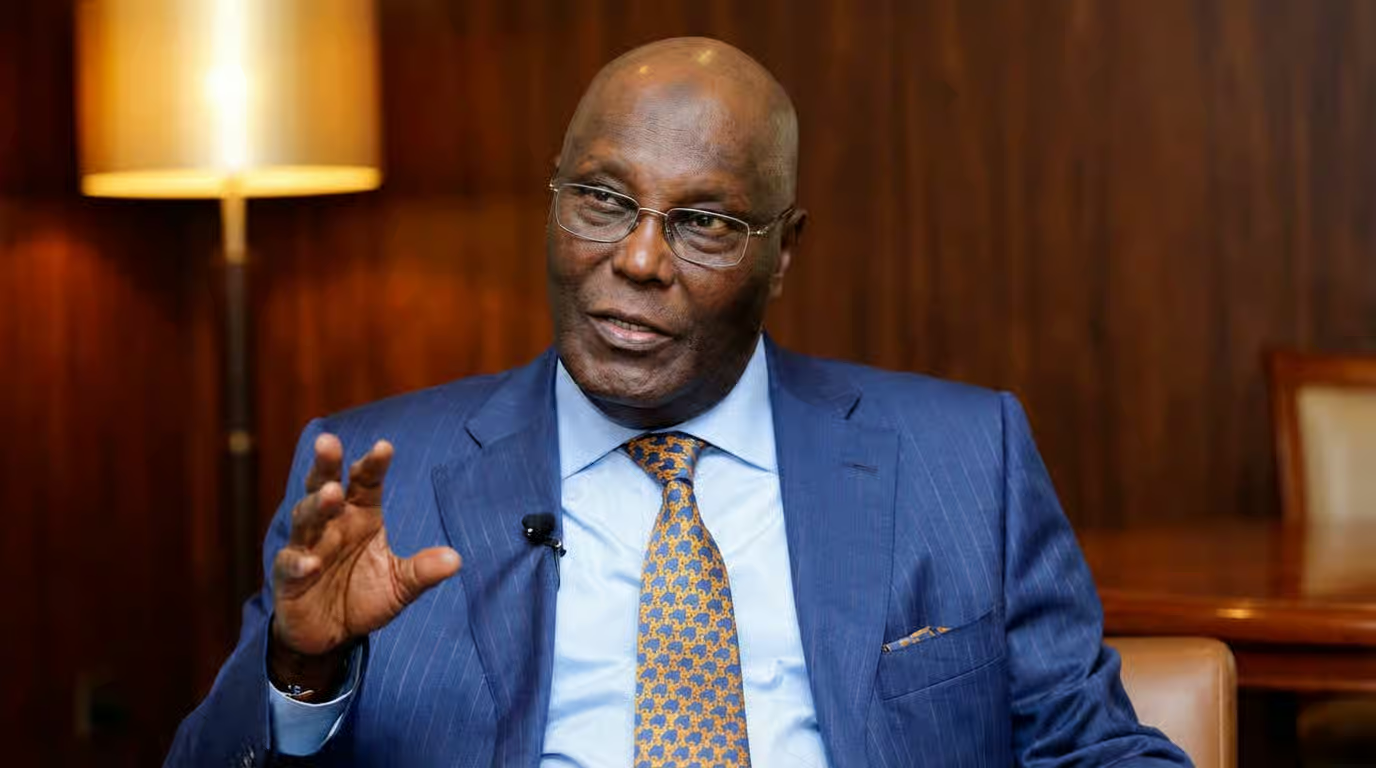
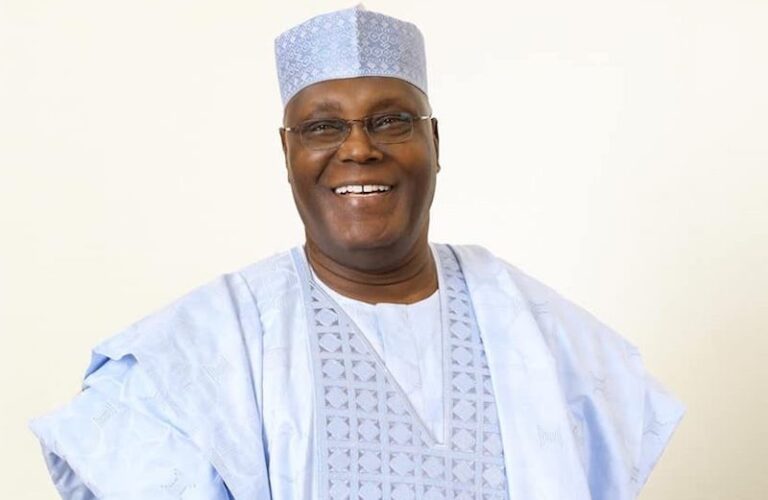
Contrast this with the widely circulated footage of Atiku Abubakar playing football—moving with coordination, balance, and alertness. This is not theatre. It is not symbolism manufactured for applause. It is a quiet but powerful demonstration of readiness. Leadership is not about appearing; it is about endurance under pressure. A nation of over two hundred million people cannot be governed by reaction, excuses, or a shrinking circle of damage control.
Robert K. Greenleaf, the philosopher of servant leadership, insisted that “The true test of leadership is whether those served grow as persons.” Greenleaf arrived at this insight after decades inside large institutions where authority was loud but ineffective. He understood that leadership obsessed with control rather than service produces dependency, not development. By this measure, Nigeria under APC rule has failed profoundly. Citizens are shrinking, not growing. Youth energy is consumed by survival, not innovation. Enterprise suffocates before it matures. Migration is no longer ambition-driven; it is oxygen-seeking.
Under Tinubu and the APC, governance has become ceremonial while power drifts away from responsibility. Empathy has evaporated. Accountability has thinned. The state reacts instead of anticipating. This is what happens when leadership loses its balance.
This is why comparison is unavoidable. Not out of mockery, but out of necessity. Leadership is contrast. Vision is alertness. Capacity is stamina. Governance is not poetry; it is performance sustained over time.
The alternative emerging around the African Democratic Congress is not sentimental noise. It is a demand for seriousness. ADC represents a refusal to canonise exhaustion and incompetence. And Atiku Abubakar represents something dangerously scarce in Nigeria’s political space today: structural readiness—mentally, physically, and institutionally.
Nigeria does not need slogans. Nigeria needs balance.
Nigeria does not need excuses. Nigeria needs capacity.
Nigeria does not need symbolism. Nigeria needs leadership that can stand steady while carrying the full weight of the state.
When leadership loses its balance, the nation staggers.Nigeria must decide whether it will continue to stagger or regain its footing.
Aare Amerijoye DOT.B
Director-General,
The Narrative Force (TNF)