Aare Amerijoye DOT.B
They have tried everything.
They have waved court papers. They have weaponised state media. They have deployed mercenary keyboards and paid loud voices to drown what conscience cannot.
They have called him old. They have called him spent. They have called him yesterday.
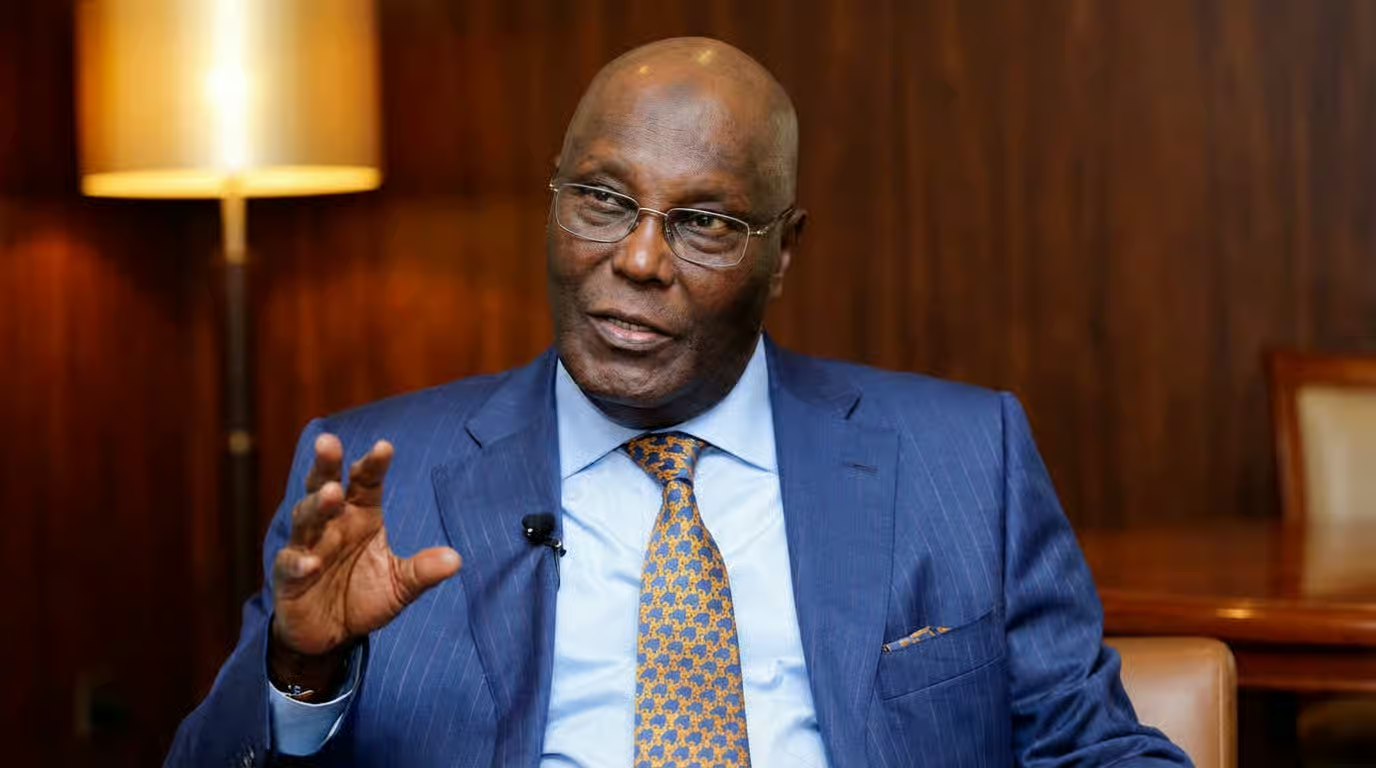
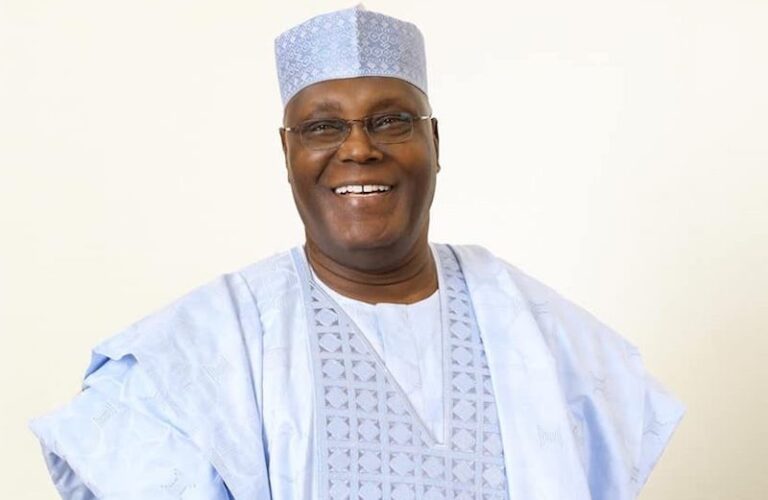
And yet, Atiku Abubakar stands.
Not because he is lucky. Not because he is untouchable.
He stands because Nigeria’s crisis is not a crisis of noise. It is a crisis of competence. And on that battlefield, Atiku has no equal in this republic.
This is the man who, as Vice President, watched Nigeria’s GDP climb from $58 billion to $270 billion. Not by wishful thinking. Not by press releases.
By deliberate policy architecture: deregulation, privatisation, fiscal discipline. The unglamorous heavy work that separates statesmen from showmen.
This is the man who built Intels, one of West Africa’s most consequential logistics conglomerates, from private enterprise and raw vision, long before he held a single government position.
He did not inherit power. He earned it. He created it.
A man who has met a payroll understands a budget differently from a man who has only ever spent one.
That distinction is not biographical detail. It is the difference between a government that produces and a government that merely consumes.
His critics reach for the easiest arrow in their quiver: he has contested before and lost. Let them say it. But let the record answer.
The elections of 2007 and 2011 were conducted under conditions so compromised that international observers filed formal objections before the ink dried. 2019 was marred by documented violence, voter suppression, and institutional manipulation that shamed the republic before the watching world. 2023 delivered a result so contested that multiple presidential candidates, across party lines, jointly challenged it in court.
A man is not diminished by losing a rigged game. He is defined by refusing to abandon it.
And when Buhari lost three consecutive elections before winning in 2015, Nigerians did not call him finished. They called him persistent. They eventually called him President.
The political landscape of 2027 is categorically different from every contest Atiku has previously entered. He is no longer one voice in a divided opposition. He is the opposition: consolidated, coalitioned, and resolute.
Different conditions produce different outcomes. That is not hope. That is arithmetic.
Today, Nigerians queue for petrol in a country that floats on crude. They watch the naira dissolve in their palms. They carry children past shuttered factories and call it economics.
This is not fate. This is the consequence of leadership that never understood governance because it only ever understood acquisition.
Atiku is not offering nostalgia. He is offering architecture.
He has named his coalition. He has made his case. He has refused, with quiet steel, to be baited into the mud where his opponents feel most at home.
That restraint is not weakness. It is the mark of a man who knows he is running for office, not running from himself.
Nigeria deserves a president who has read a balance sheet that is not a government budget. Who has met a payroll. Who has built something the state did not give him.
Atiku Abubakar is, in this republic’s entire post-independence history, the rarest of figures: a man of proven private competence and proven public record, offering both at the same time.
The argument against him grows thinner with every month this administration survives on borrowed time and borrowed money.
The argument for him has not changed in thirty years. Nigeria works when it is governed by someone who understands how value is created, not merely how power is seized.
2027 is not a ballot. It is a verdict.
And history is already taking notes.
Aare Amerijoye DOT.B, Director General, The Narrative Force (thenarrativeforce.org)