A Polemical Essay on Atiku Abubakar, the Waziri of Adamawa, and the Nation That Could Have Been.
Aare Amerijoye DOT.B.
“The first step to greatness is to admire greatness.”
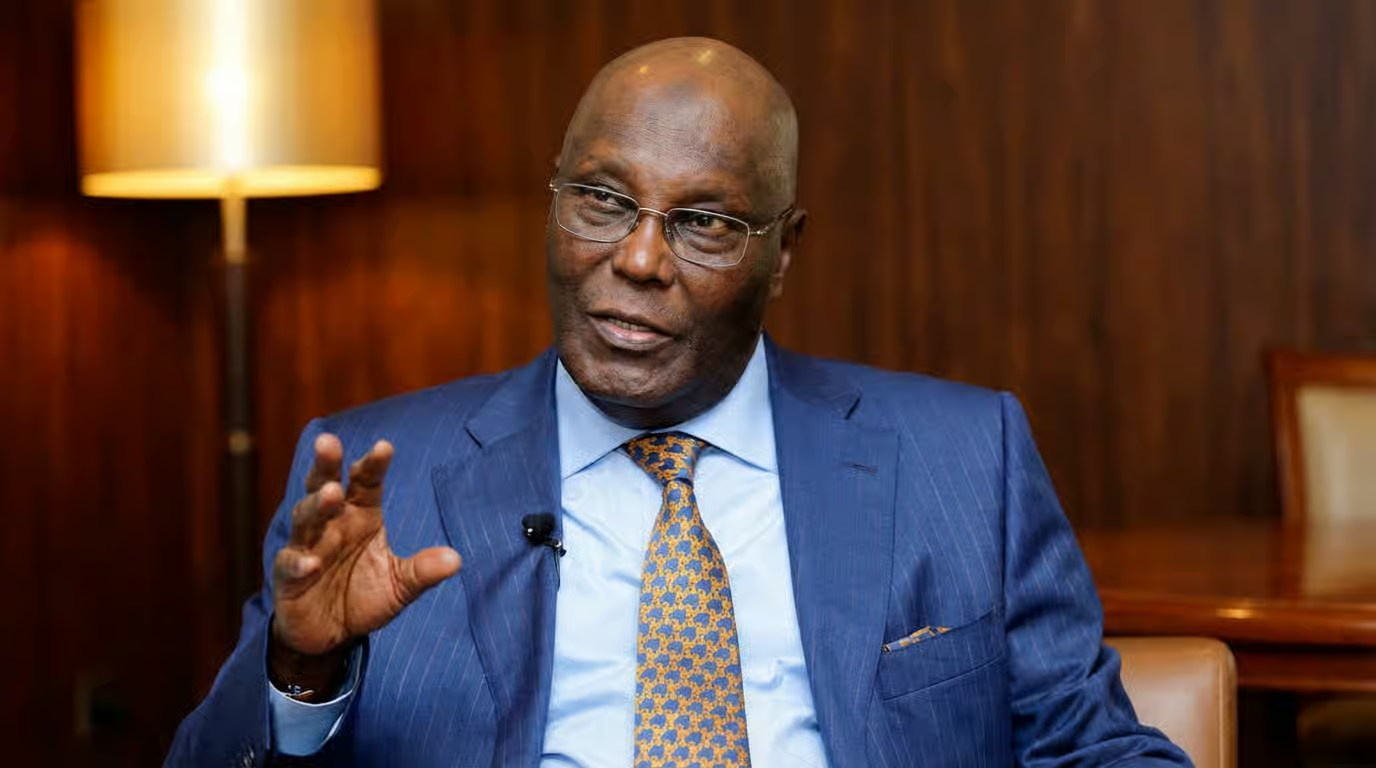
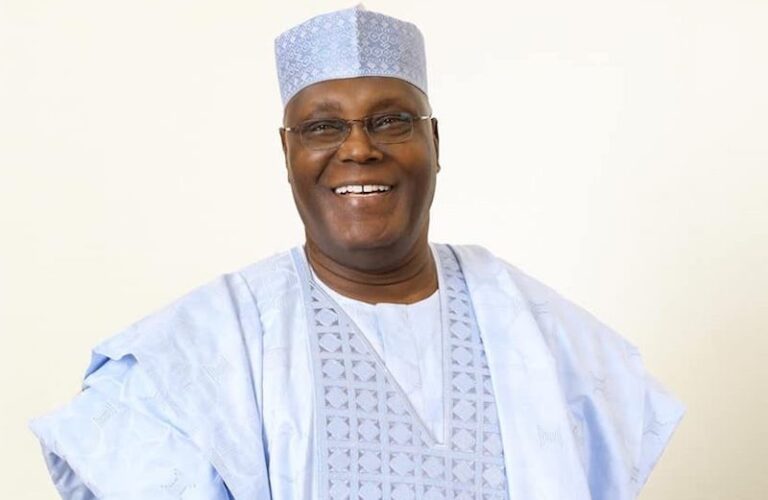
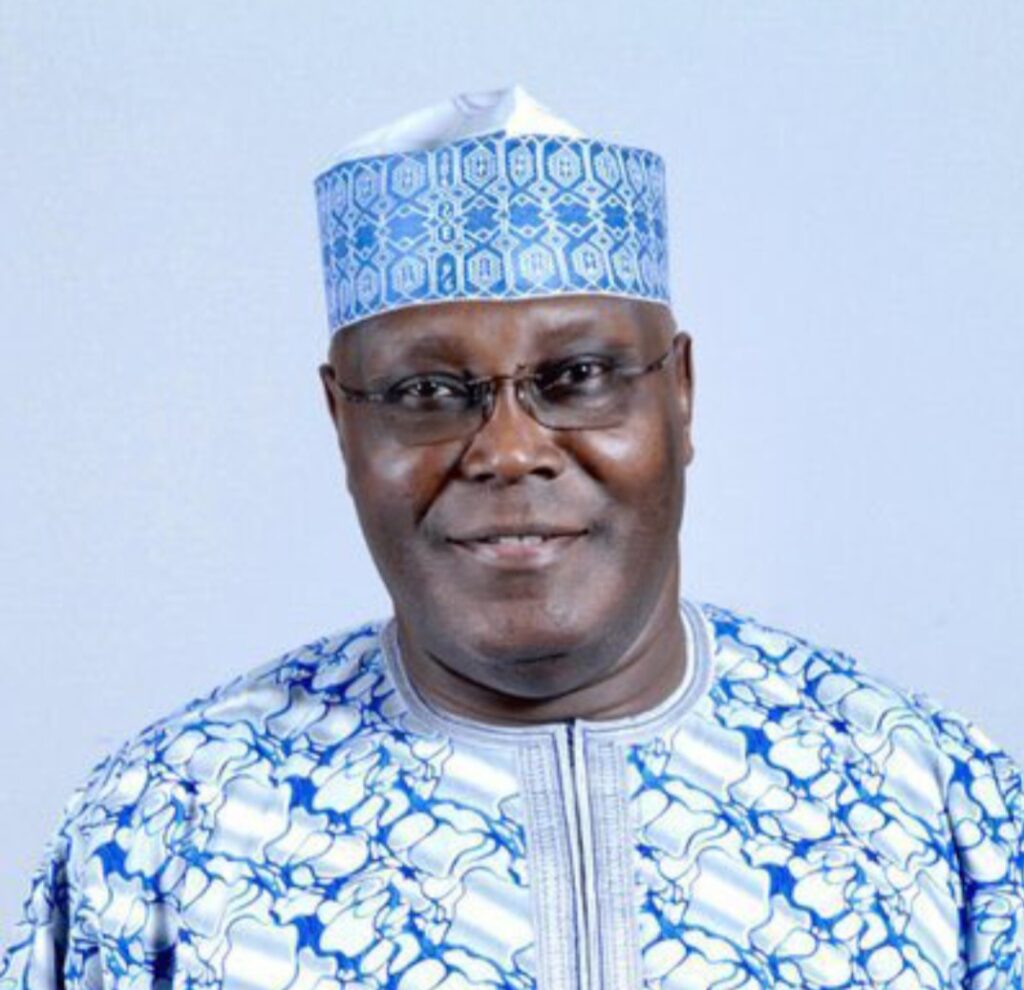
Alhaji Atiku Abubakar, Waziri of Adamawa
When Admiration Becomes Conviction.
There is a peculiar punishment that history reserves for nations that consistently choose wrong: it compels them to live with the consequences, then to watch other nations flourish by choosing right. Nigeria, that great behemoth straddling the Gulf of Guinea with all the latent majesty of a sleeping titan, has perfected this art of national self-sabotage into something approaching a postgraduate discipline. We have turned the rejection of excellence into a cultural reflex, a civic religion, a collective suicide pact dressed in the ceremonial garb of electoral democracy.
To grow up admiring greatness is to inoculate oneself against the pestilence of mediocrity that festers in the corridors of power. And yet, in a country where the cult of failure is worshipped with greater fervour than the temples of achievement, to dare proclaim the greatness of Alhaji Atiku Abubakar, the Waziri of Adamawa, is to speak into a howling storm. This essay does exactly that, with no apology and immense conviction.
“Great men are not born great; they grow great.” Mario Puzo
Nigeria’s Condition: A Nation Performing Development.
Nigeria today is a nation that exports crude oil and imports refined petroleum. A man owns a grove of oranges and goes to market to buy orange juice. This is not merely paradoxical; it is magnificently, breathtakingly absurd, the kind of absurdity that even the most gifted comic playwright could not conjure without being accused of exaggeration. And yet, it is Tuesday in Abuja.
The naira has been pulverised to fine dust and scattered into the harmattan wind. Universities strike with the predictability of a national calendar event. The youth, whom every successive administration promises to empower, emigrate in a wave so monumental that the medical, engineering, and academic sectors of Europe and North America are effectively staffed by a Nigerian diaspora that could, if properly mobilised, reconstruct the country from its foundations. The roads sort the brave from the timid. The potholes have potholes. The bridges wheeze. And every election season, someone arrives with a bag of rice and a campaign jingle, and the people, because hunger is the greatest persuader in politics, listen.
“A nation that cannot feed itself but exports food; a country that cannot refine its oil but exports crude; a people that cannot provide electricity but imports electronics. Such a nation is not developing, it is performing development.”
After Frantz Fanon, paraphrased
The Waziri: What He Built and What He Promised
Against this backdrop, consider Alhaji Atiku Abubakar. He arrived in public life not from the inheritance of a political dynasty but from the soil of industry, the discipline of enterprise, and the architecture of genuine human development. The man built the American University of Nigeria in Yola, in a region the rest of the country barely visits on a map. While politicians were building political structures, Atiku was building academic ones. He understood, as John Dewey observed, that education is not preparation for life; education is life itself.
His tenure as Vice-President from 1999 to 2007 was, by any dispassionate measure, a period of economic renaissance. External Reserves grew to over $43 billion. The Paris Club debt, that albatross of shame that had strangled Nigeria’s fiscal capacity and humiliated it at every international gathering, was paid off. Telecommunications was liberalised, and the sector went from a state monopoly of one million lines to over 100 million subscribers within a decade. If Atiku were an American, there would be monuments to that singular achievement.
“To educate a man in mind and not in morals is to educate a menace to society.” Theodore Roosevelt
Had he assumed the Presidency, Nigeria would not merely have made progress. It would have launched itself with such velocity toward development that the very concept of Third World would have become inapplicable within a generation. The refineries, those cathedrals of petroleum shame, would have been privatised and made operational. The power sector, that Sisyphean nightmare, would have seen genuine structural transformation. The textile mills of Kano and the factories of Lagos would be humming, not ghostly ruins haunted by the memories of workers who once had dignified employment. The hunger that today stalks Nigerian homes with the brazenness of a tax collector would have been confronted and defeated. Poverty is the breeding ground of insurgency. Unemployment is the recruitment office of terrorism. An Atiku administration would have addressed both at their roots.
“Where justice is denied, where poverty is enforced, where ignorance prevails, neither persons nor property will be safe.” Frederick Douglass
The Negativity Industry and the Perseverance of Greatness
Nigeria has cultivated, over decades of disappointed expectations, a culture of epistemic cynicism, a collective refusal to believe in any leader’s capacity for good faith. The Nigerian social media commentariat has elevated the tearing down of reputations to a national pastime. A man can build a university and the first question will be where he sourced the bricks. He can pay off international debt and someone will ask why the receipt was signed in blue ink rather than black. This is not healthy democratic scepticism. It is the psychological aftermath of serial governmental betrayal, and it has made Nigeria nearly ungovernable by the best and unfailingly loyal to the worst.
Atiku Abubakar has lived in the arena for three decades, enduring the coordinated attacks of political adversaries who understood that the surest way to prevent a man’s leadership is to assassinate his character before he can demonstrate it. As the Yoruba say, a child who washes his hands clean may dine with elders. Atiku washed his hands, and some preferred the dirt because it served them better.
“It is not the critic who counts. The credit belongs to the man who is actually in the arena.” Theodore Roosevelt
The Conviction That Will Not Be Silent.
When a nation systematically bypasses its finest and elevates its most mediocre, it must be compelled to look, unflinchingly, at the cost of that choice. Millions live without electricity who would have had power. Thousands of graduates emigrate annually who would have found purpose in a growing domestic economy. Farmers kidnapped in their fields, students who cannot afford school fees, market women who can barely afford firewood: these are not statistics. They are the human incarnations of policy failure.
As the Igbo proverb puts it: when the music changes, so does the dance. Nigeria has been dancing to the wrong music for too long. The musicians it hired could not play the instruments of state. They composed lullabies when the people needed marching songs. Atiku represented a different composer entirely, one who had studied Dubai’s transformation from desert to metropolis, examined Singapore’s discipline under Lee Kuan Yew, and drawn from all of these not a copy but a distinctly Nigerian adaptation. That Nigeria has not yet let him conduct the orchestra is the tragedy of an audience that whistles while the maestro stands ready.
As Aristotle observed, we are what we repeatedly do. Excellence, therefore, is not an act but a habit. Atiku’s habit has been excellence. Nigeria’s tragedy is not that it lacks great men. Its tragedy is that it has a complicated relationship with its own greatness. It elevates the ordinary and suspects the exceptional. But the greatness of Alhaji Atiku Abubakar endures, not because power was granted to it, but because genuine greatness does not require permission to exist.
“The measure of a man is not where he stands in moments of comfort and convenience, but where he stands at times of challenge and controversy.”
Martin Luther King Jr.
The first step to a greater Nigeria is to admire the greatness already in its midst. That greatness, tested, documented, undeniable, and still offering itself in service, wears the name Atiku Abubakar, the Waziri of Adamawa. To see it clearly is not tribalism, not partisanship, not sycophancy. It is, simply, the willingness to call a great tree by its proper name and mourn, with righteous sorrow, that its shade has not yet been allowed to shelter the nation that needs it most.
“I grew up knowing that the first step to greatness is to admire greatness.”
Alhaji Atiku Abubakar, Waziri of Adamawa
Aare Amerijoye DOT.B.
Director General,
The Narrative Force