
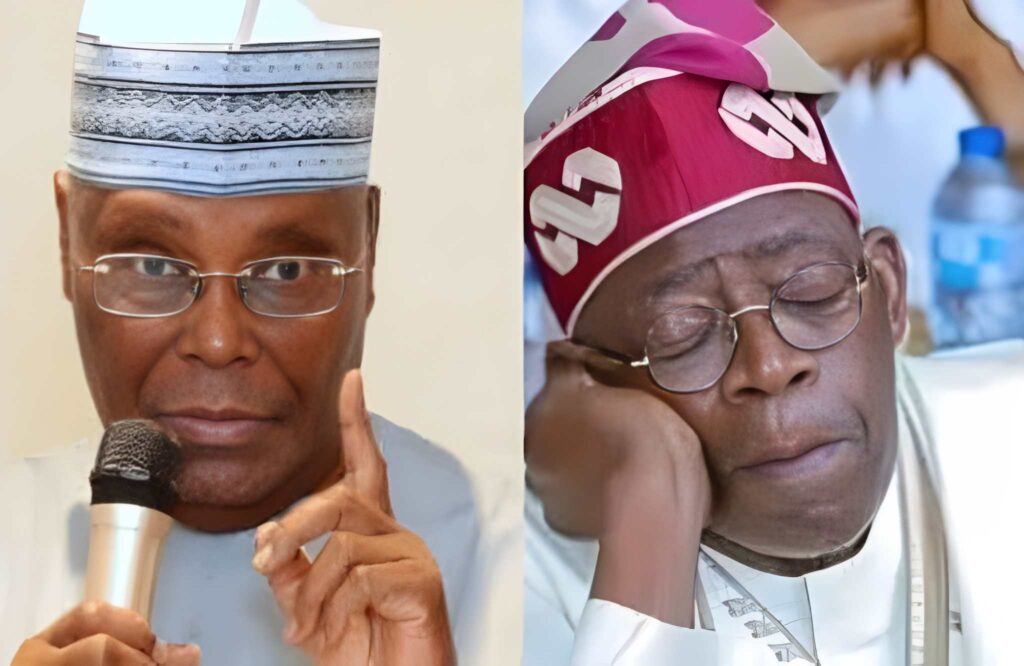
Aare Amerijoye DOT.B
Nigeria is not trapped in hardship by fate or misfortune; it has been driven there by conscious misrule. Under Bola Ahmed Tinubu and the All Progressives Congress, suffering has ceased to be a temporary phase and has hardened into a governing doctrine. Inflation spirals unchecked, the naira staggers daily, wages evaporate, and livelihoods collapse, yet citizens are lectured on patience as if endurance were a substitute for competence. This is not a government managing difficulty; it is a government manufacturing distress.
What deepens the injury is not merely the scale of economic pain, but the arrogance with which it is rationalised. Fuel subsidy removal was executed without credible cushioning, foreign exchange policy has oscillated without clarity, and insecurity has fed on desperation created by joblessness. Policy shock has replaced planning, while propaganda has replaced accountability. Hannah Arendt warned that when power separates itself from responsibility, chaos becomes inevitable. Tinubu’s APC has perfected this separation, presiding over disorder while denying its authorship.
The social consequences have been devastating. Mass poverty and unemployment have not only emptied pockets; they have fractured trust and hollowed national cohesion. When the state fails to provide protection and opportunity, citizens retreat into ethnic and sectional shelters as informal social insurance. Alienation deepens, suspicion multiplies, and unity weakens. Thomas Hobbes’ description of life without effective authority as “solitary, poor, nasty, brutish, and short” no longer reads like abstract philosophy; it mirrors the lived experience of millions of Nigerians.
This is why 2027 is not a routine electoral contest. It is a national reckoning. Nigeria stands at a historical crossroads where continuity guarantees further fragmentation, while change offers the possibility of repair. Nigerians are not asking for magic or messiahs; they are demanding seriousness, coherence, and leadership that understands the depth of the crisis and the discipline required to resolve it.
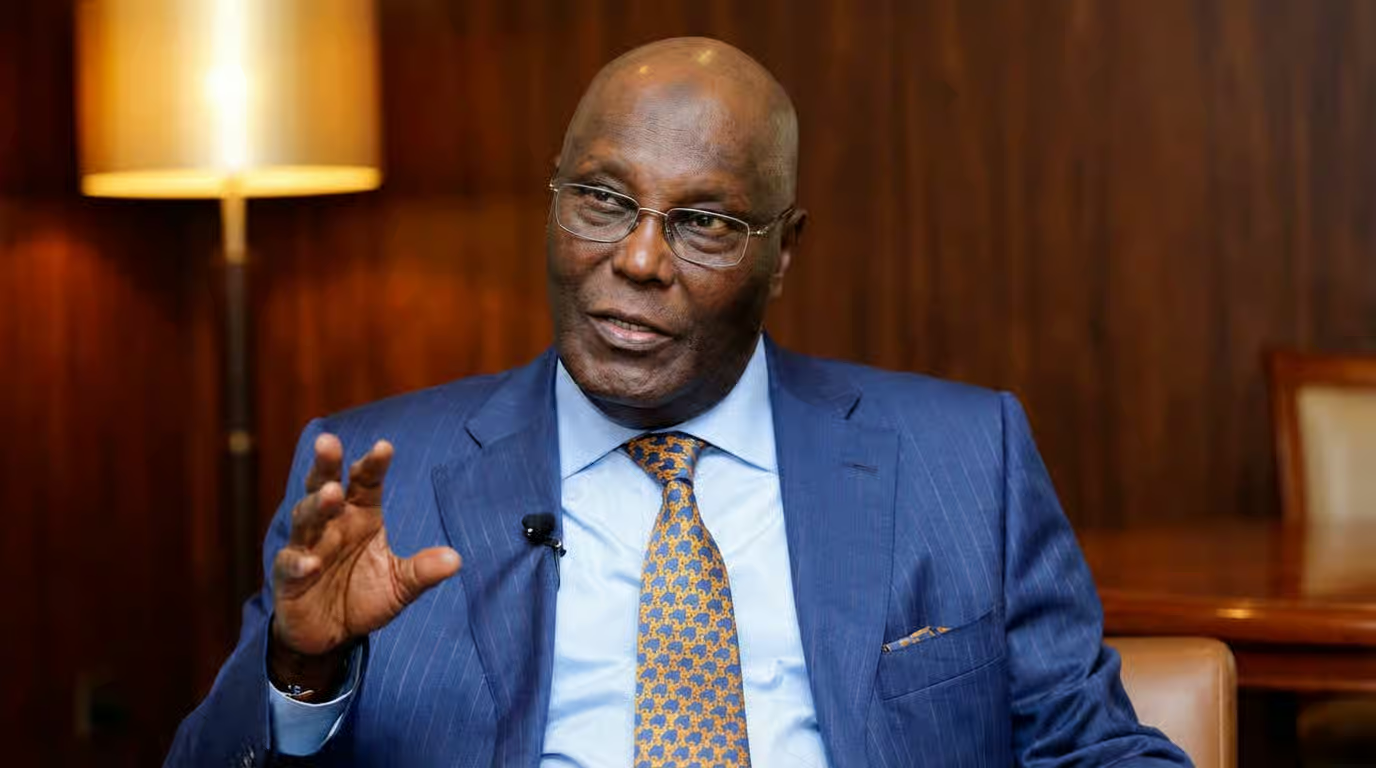
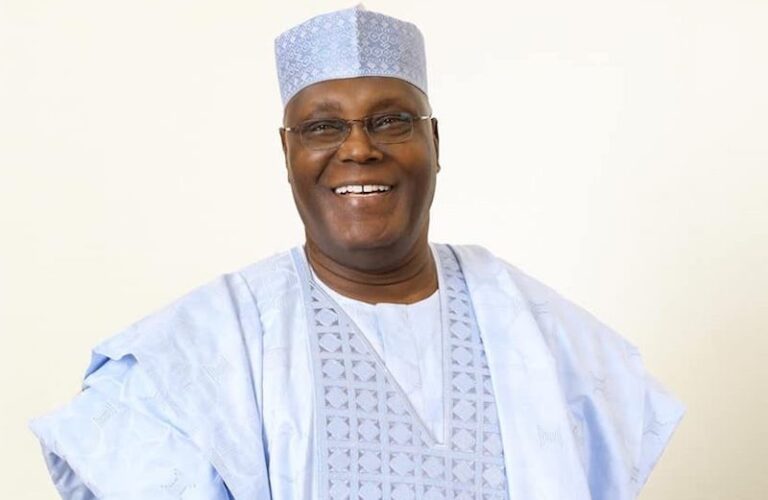
It is within this grave national moment that Atiku Abubakar emerges, not as a product of sentiment, but as a necessity of history. He represents a leadership tradition grounded in preparation rather than improvisation. John Locke argued that the end of government is not to restrain society but to preserve liberty and enlarge opportunity. Atiku’s political philosophy has consistently aligned with this principle, prioritising institutions, markets, and inclusive growth over erratic experimentation.
Atiku’s distinction lies in his breadth of competence. He understands that Nigeria’s vast population is not a liability to be feared, but an asset to be activated through education, productivity, and enterprise. Where the present administration delivers reform without structure, Atiku proposes reform with sequencing and protection. Where others trade in slogans, he speaks the language of systems, planning, and execution. This is the difference between governance as spectacle and governance as strategy.
Crucially, Atiku embodies the temperament of national cohesion at a time when polarisation threatens the republic. Aristotle’s insight that the whole is greater than the sum of its parts finds practical expression in Atiku’s lifelong commitment to coalition-building across regions, faiths, and classes. In the words of Obafemi Awolowo, “Nigeria is not a nation; it is a mere geographical expression unless justice and fairness bind it together.” Atiku’s politics recognises this truth, seeking unity through equity rather than domination.
Unlike transient political actors shaped by sudden access to power, Atiku’s grasp of Nigeria’s challenges is structural and seasoned. Power sector reform, fiscal federalism, education, employment, and security architecture are not campaign-season discoveries for him; they are long-standing areas of engagement. His rare synthesis of public-sector experience and private-sector competence equips him with a practical understanding of how policy decisions translate into lived outcomes for citizens.
Persistence in politics is often misunderstood by the impatient. Atiku’s continued pursuit of leadership is not ambition without restraint; it is preparation meeting responsibility. Edmund Burke’s reminder that society is a partnership between the living, the dead, and the unborn captures the moral weight of this moment. Leadership must answer not only to present suffering but to future generations whose fate is being shaped today.
Nigeria does not need another experiment, another cycle of shock therapy without care, or another lecture on endurance from a detached elite. It needs restoration anchored in competence, empathy, and foresight. In 2027, choosing Atiku Abubakar is not an emotional gamble; it is an act of national self-preservation. For a country battered by institutionalised hardship and yearning for meaning, Atiku represents the clearest bridge from managed poverty to purposeful prosperity.
Aare Amerijoye DOT.B
Director General,
The Narrative Force




Great write up truth is bitter
Thank you. Honest reflection is sometimes uncomfortable, but it is necessary for growth. Constructive truth is not bitterness; it is clarity.