By Adekola Bola Adeoye
Nigeria today stands at a painful crossroads. Families are squeezed by rising prices, businesses struggle under unstable policies, and young people watch their hopes fade as opportunities shrink. Like a vehicle running without a steady engine, the nation moves, but without direction or confidence. From insecurity that disrupts farms and highways to a fragile economy that weakens the naira, the daily reality of Nigerians tells one clear story: the system needs experienced, competent leadership that understands both the problems and the pathways to solutions.
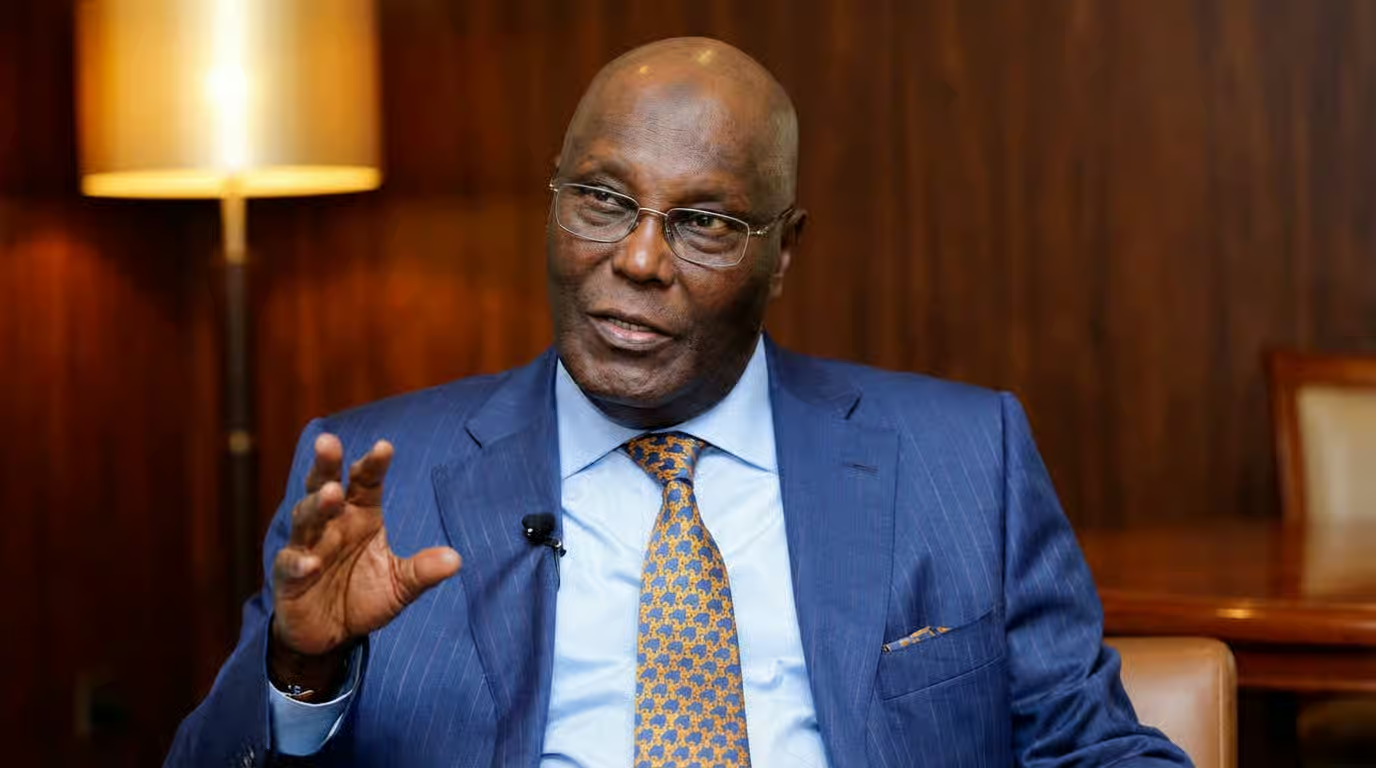
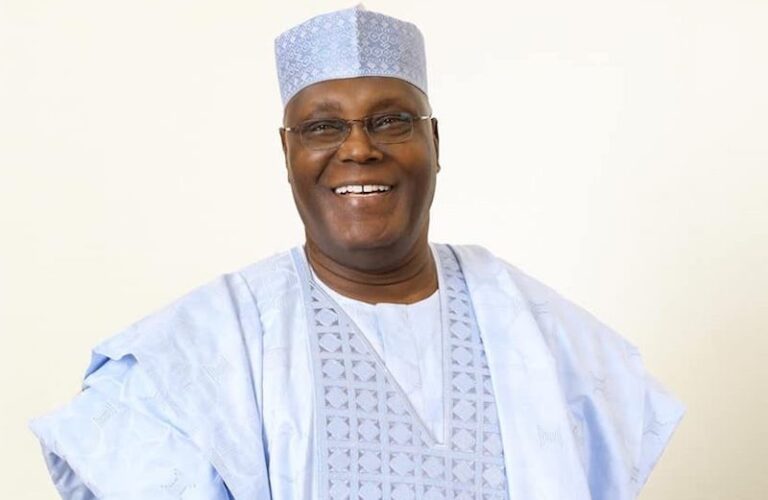
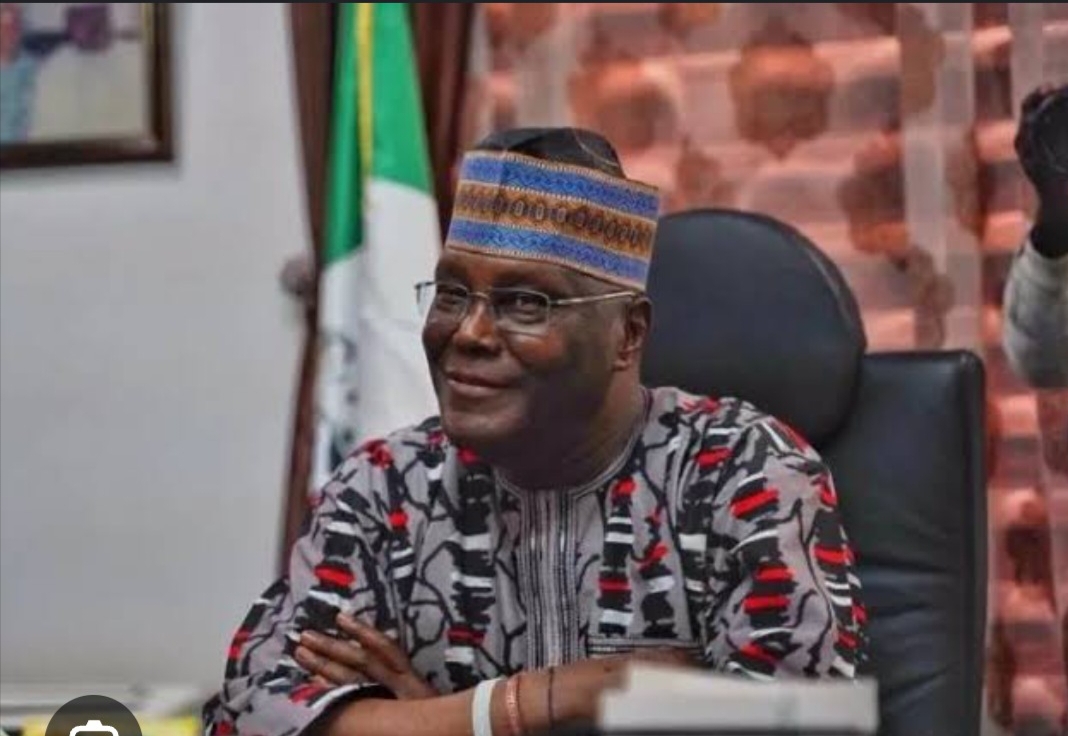
Atiku Abubakar represents that experience. He has seen Nigeria in different seasons and understands that a complex country cannot be run on trial and error. Like a builder who knows the foundation must be strong before the house can stand, Atiku’s long record in public service and private enterprise shows a deep grasp of economic management, job creation, and institutional reform. His consistent advocacy for restructuring, true federalism, and private-sector-led growth speaks directly to the structural weaknesses holding Nigeria back.
Illustratively, Nigeria is like a vast farm blessed with fertile soil but limited by poor tools, weak coordination, and mismanagement. Atiku’s vision focuses on modernising agriculture, empowering states to drive economic growth, and opening doors for investment that creates sustainable jobs—not short-term relief. His emphasis on education, innovation, and youth inclusion aims to turn Nigeria’s large population into a productive asset rather than a growing burden. On security, he recognises that no economy can thrive where fear reigns, and that effective intelligence, well-motivated security agencies, and community trust are non-negotiable.
As 2027 approaches, the choice before Nigerians is about direction, not noise. It is about competence over confusion, unity over division, and vision over improvisation. Atiku Abubakar offers a steady hand, a clear roadmap, and the capacity to bring diverse voices together for national renewal. In a moment that demands rebuilding and responsible leadership, many see in him not just a candidate, but a realistic chance for Nigeria to reset, recover, and rise again.