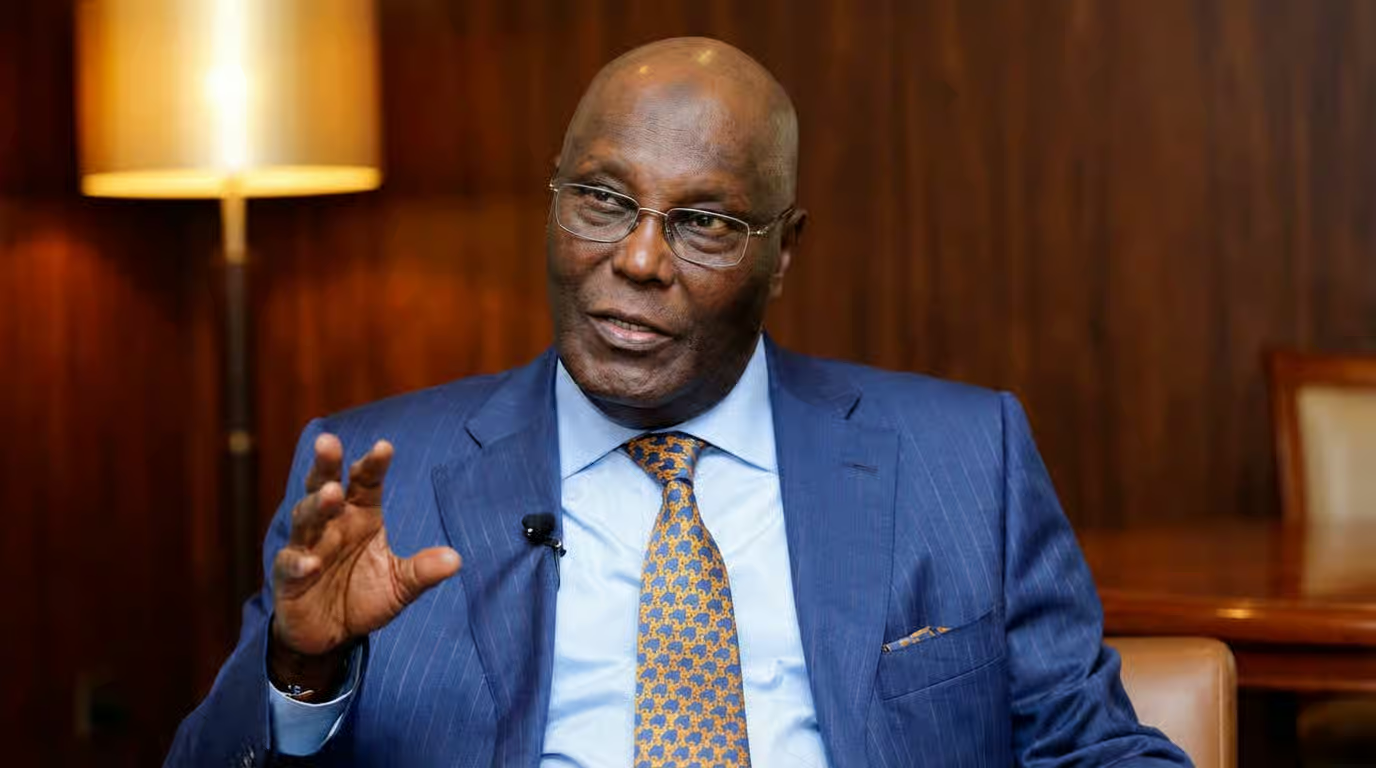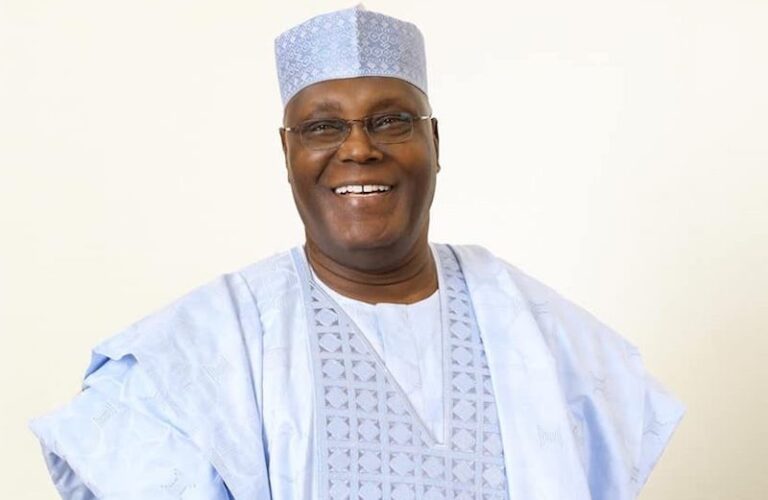
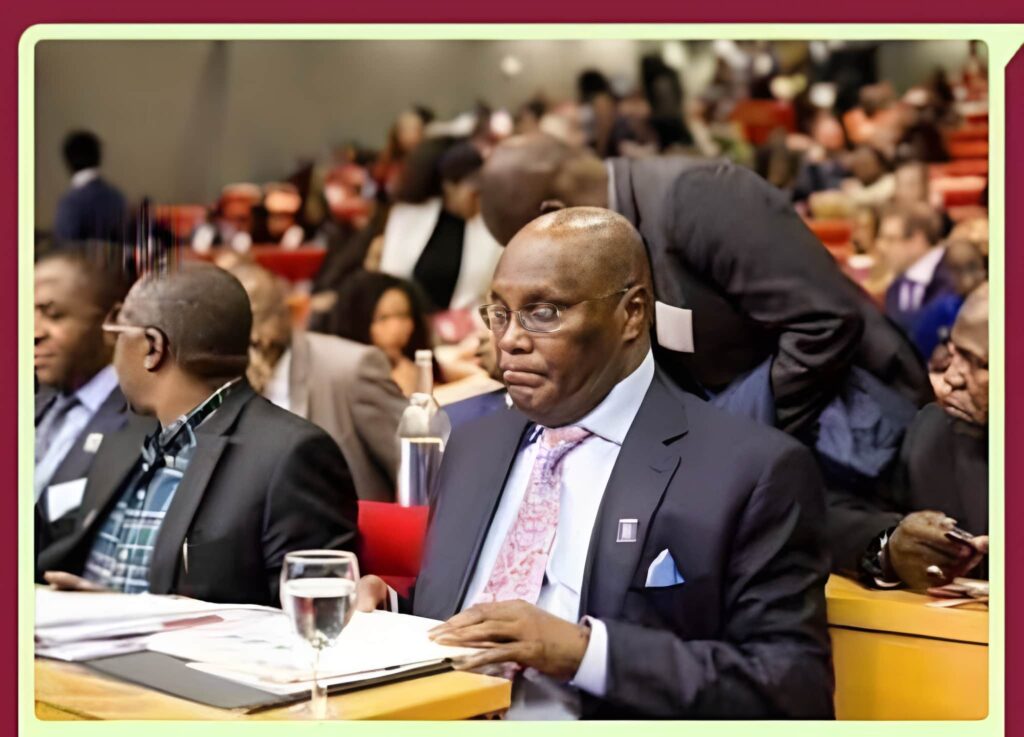
At a high-level public engagement some years ago, a senior official whispered to a colleague, half-amused and half-irritated: “Why does this man always come with files and presents manifesto?” The “man” was Atiku Abubakar. The files were briefing papers; the manifestos were not ceremonial booklets but working documents, annotated, interrogated, and defended. The irritation was not accidental. In a political culture addicted to improvisation, memory tricks, and grandstanding, preparedness often unsettles those who survive on slogans. While others arrived armed with rhetoric, Atiku arrived armed with facts, figures, and a plan, and the room felt it.
That habit alone indicts the present order.
Everywhere Atiku goes, he goes with papers to read, manifestos to present, and points to make. Not because it is fashionable, but because governance is not an improvisation. Nations are not ruled by vibes, memory lapses, or recycled slogans. They are governed by preparation, comprehension, and relentless intellectual discipline.
At the grassroots, this difference is not abstract. It is the difference between a trader knowing what tomorrow’s transport fare will be and guessing blindly. It is the difference between a farmer planning a planting season around known policies and gambling against sudden shocks. When leaders prepare and present clear manifestos, ordinary people can plan their lives. When leaders improvise, the poor absorb the cost.
Nigeria today is suffering not from fate, but from forgetfulness at the top.
This forgetfulness does not live in speeches alone; it lives in the empty pot of a mother who was not warned that prices would triple overnight. It lives in the silence of factories that shut down because policies arrived before safeguards. It lives in the anxiety of youths who wake up each morning unsure whether yesterday’s promise, never clearly written, never clearly explained, has already been forgotten.
We are governed by a political establishment, led by Bola Ahmed Tinubu and the APC, that mistakes power for performance, optics for outcomes, and noise for knowledge. In this era, policies are announced before they are understood, promises are made without manifestos to measure them against, and disasters are explained away with excuses instead of corrected with competence.
The trader in the market does not debate ideology; she counts losses.
The driver at the motor park does not read press statements; he adjusts fares daily.The civil servant does not analyse macroeconomics; he skips meals to survive.
The contrast could not be starker.
Atiku represents the ethic of work, of written plans, presented manifestos, and measurable commitments. Tinubu’s presidency represents the theatre of entitlement, where slogans replace substance and memory replaces accountability.
A working president reads.
A working president prepares.A working president presents a manifesto and remembers what he promised.
A forgetful presidency governs by impulse, retreats into silence when consequences arrive, and sends surrogates to insult the intelligence of a battered population.
At the street level, this impulse governance feels like cruelty. Fuel prices change without warning. Exchange rates swing without explanation. Food prices rise without apology. The people are told to endure, even when endurance has reached its limit; when asked what the plan is, there is no document to point to and no manifesto to interrogate.
What Nigeria needs now is not another emperor surrounded by praise-singers, but a chief executive who understands that leadership begins with homework and is sustained by a living manifesto. The image of Atiku poring over documents is not accidental; it is habitual. It reflects a man who believes that promises must be written, plans must be presented, and leadership must be accountable to its own blueprint.
In the market woman’s own language, leadership is judged by one question: “Is life easier today than yesterday?” Under APC governance, the answer is a painful silence.
The APC has turned Nigeria into a laboratory of suffering powered by amnesia. Fuel subsidy removal without preparation. Exchange rate chaos without safeguards. Food inflation without apology. Each crisis is followed by selective memory loss, we were not warned, it was inevitable, be patient, because there was never a clear manifesto to return to.
But patience without competence is cruelty.
Atiku’s politics is grounded in the boring, unglamorous labour that actually saves nations: reading briefs, presenting manifestos, interrogating data, asking hard questions, and building coalitions around solutions rather than slogans. This is why he frightens the APC, not because he shouts louder, but because he knows more, plans better, and forgets less.
For the farmer, this means fertiliser policies planned before seasons begin.
For the youth, it means jobs designed before hope expires.For families, it means stability before sacrifice.
Nigeria does not need a ruler who forgets yesterday’s promises by morning. Nigeria needs a president who arrives everywhere with documents, with a manifesto, not excuses; with plans, not propaganda.
Let us be sincere. A country collapsing under economic weight cannot afford a leadership that governs by memory gaps. The stakes are too high. Hunger is not theoretical. Unemployment is not academic. Insecurity is not rhetorical.
Preparation is not elitism.
Preparation is compassion in advance.
When leaders read and present manifestos, people can hold them accountable.
When leaders forget and improvise, people suffer.
This is no longer about party labels. It is about the elemental choice between work and amnesia, manifesto and improvisation, competence and entitlement.
Nigeria needs a working president. Not one who forgets easily.
And that is why Atiku remains the clearest alternative to the catastrophe called APC governance.
Aare Amerijoye DOT.B
Director General,
The Narrative Force