Aare Amerijoye DOT.B.
There is a category of Nigerian political commentary that deserves serious study, not because it enriches democracy, but because it actively pollutes it.
It is the behaviour of men who look at a nation bleeding under hardship and conclude that their best contribution is not strategy, not mobilisation, not coalition-building, but mystical warnings delivered with the confidence of prophets and the laziness of entertainers.
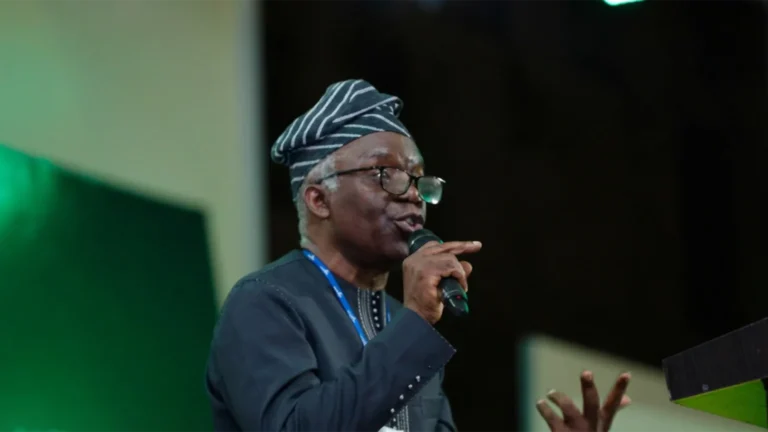
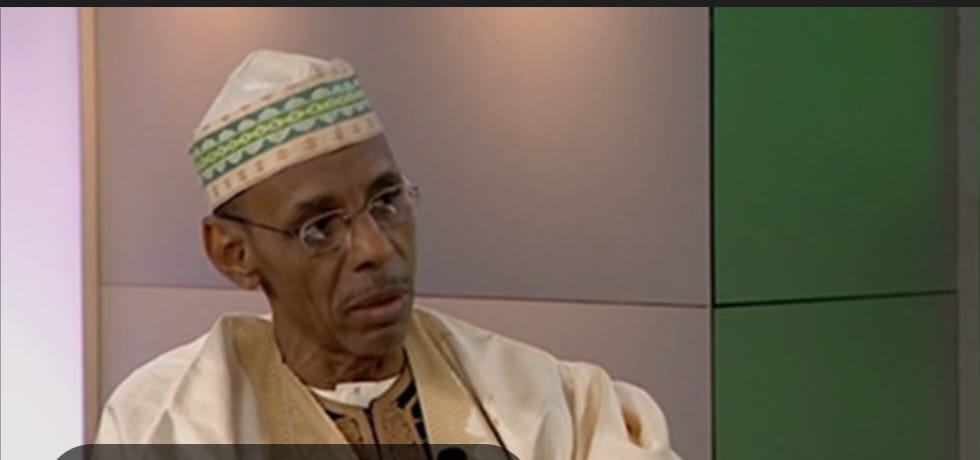
That is the political method Hakeem Baba-Ahmed has served Nigerians again.
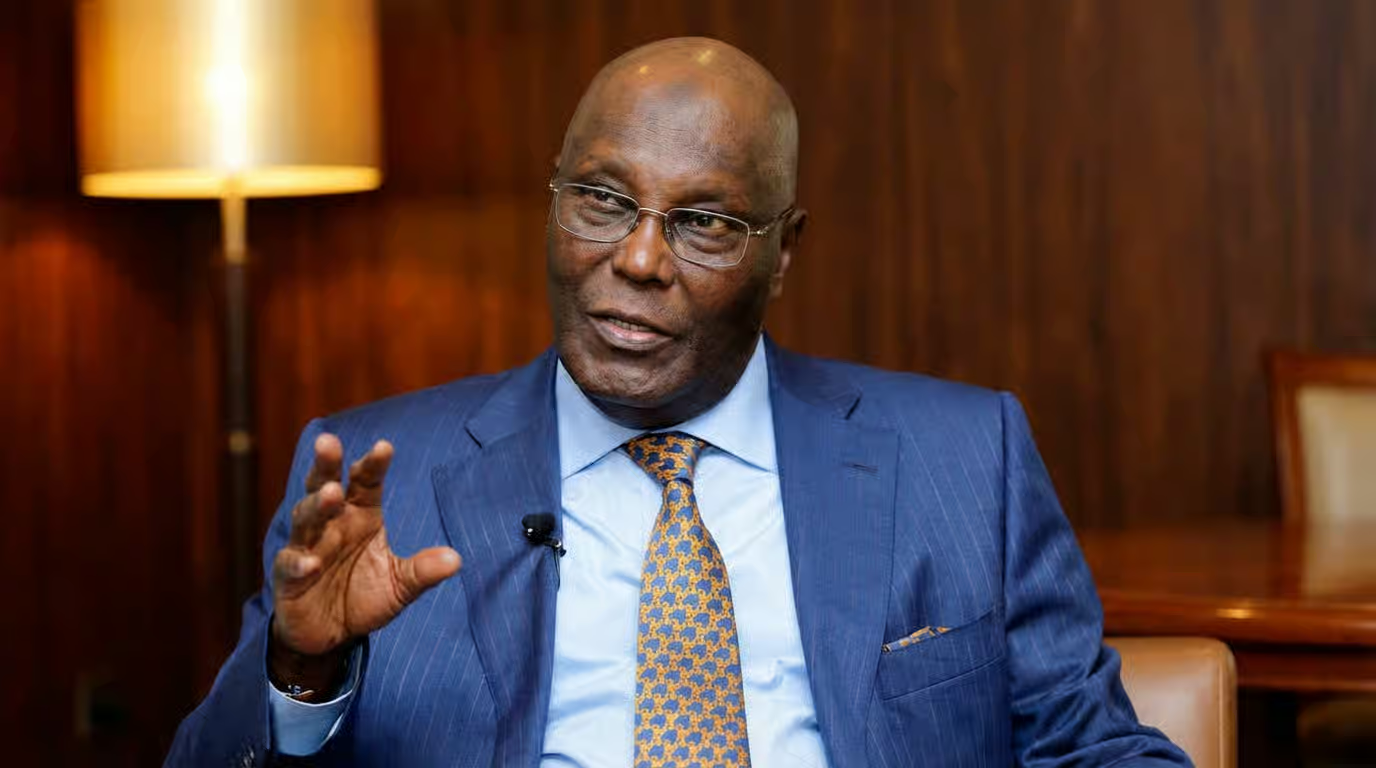
In an interview aired on Channels Television, the former presidential adviser declared that the African Democratic Congress (ADC) could suffer an “implosion” if former Vice President Atiku Abubakar secures the party’s presidential ticket for the 2027 general election.
It sounded bold. It sounded dramatic. It sounded like insight.
But when you peel off the packaging, what remains is a familiar Nigerian political product: a conclusion without evidence, a warning without facts, a prophecy without responsibility. It is not analysis. It is insinuation dressed in grammar.
The entire statement rests on one weak word, the word that has become the refuge of political opportunists who want to sound wise without being accountable: “could.”
“ADC could implode.”
Yes, and the economy could worsen tomorrow. Food prices could rise again. Fuel could jump again. More families could fall into despair.
But when a man chooses to spend his energy predicting hypothetical party disaster, rather than offering concrete political solutions, you already know his purpose is not nation-building, it is narrative manipulation.
The word “could” is convenient. If chaos happens, the speaker claims prophecy. If it does not happen, he dodges accountability by saying, “I never said it will, I said it could.”
That is not political intelligence. That is verbal insurance fraud.
A serious political assessment must do more than perform drama. It must identify the specific factions likely to revolt, the blocs likely to exit, the contradictions capable of collapsing the coalition, and the historical precedents that justify such a conclusion.
But Baba-Ahmed offered none.
He simply threw anxiety into the air and hoped the public would swallow it as wisdom.
Then he wrapped the emptiness in those familiar Nigerian elite phrases: “the dynamics within the coalition-backed party” and “the ambitions of its leading figures.”
That is the language of people who want to sound deep without saying anything useful. It is the rhetorical equivalent of a doctor saying, “There may be complications,” without diagnosing the ailment, prescribing treatment, or naming the risk.
Of course coalitions have dynamics. Politics is dynamics. Democracy is the organised management of ambition.
So what is the real point?
The point is to plant suspicion before the contest even begins. To inject fear into a party before it consolidates. To weaken the psychology of unity even before the structure of unity is tested.
And beneath this “implosion” prophecy lies a deeper political agenda Nigerians must learn to recognise: the attempt to frame Atiku Abubakar as a destabiliser rather than a unifier.
That is an old tactic in opposition politics. When you cannot defeat a contender by superior structure, you attempt to defeat him by manufactured fear.
But Nigeria does not reward emotional theatre.
Nigeria is not a beauty pageant. It is not a social media carnival. It is not a contest of online noise where the loudest trend wins the presidency.
Nigeria is a battlefield. Brutal, complex, and unforgiving.
What matters in Nigerian elections is not sentiment, it is spread. Not vibes, but structures. Not hashtags, but networks. Not fantasies, but political architecture.
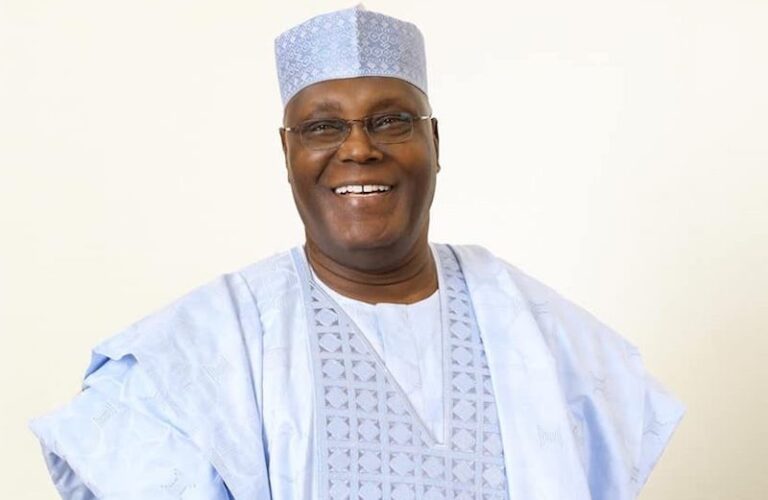
And whether critics like it or not, Atiku Abubakar remains one of the very few opposition figures with truly national reach: deep networks in the North, measurable acceptability across major parts of the South, relationships across party lines, and the strategic experience to negotiate coalitions and manage political transitions.
But even more importantly, Atiku is not only known, he is broadly acceptable.
Across religions.
Across regions.
Across age brackets.
Across gender constituencies.
Across political tendencies.
In a country where elections are won by balancing strength with inclusion, Atiku remains the most elastic opposition contender Nigeria currently has.
So let us be honest about what is happening here. The fear is not that Atiku will weaken ADC. The fear is that Atiku will strengthen it.
They are not frightened by Atiku’s weakness. They are threatened by Atiku’s weight.
Now, let us make something clear, because political truth must not be clouded by propaganda. If ADC ever suffers any internal fracture, it will not be because Atiku secured the ticket through a legitimate process. Serious parties do not collapse because serious contenders emerge.
Parties collapse when they become marketplaces of ego, where opportunists want victory without sacrifice, power without discipline, and national outcomes without national work.
That is what destroys parties.
So if Baba-Ahmed truly cared about stability, the responsible political intervention would be to advise ADC on internal democratic mechanisms, conflict-resolution processes, and coalition discipline.
But that is hard work. It requires seriousness.
It is easier to blame Atiku and let ignorance fill the space where facts should be.
Now, it is important to address the political hypocrisy in this space, because it is one of the biggest problems of Nigeria’s opposition today.
Some of the loudest voices who throw these warnings are not Tinubu lovers. Many of them regularly criticise Tinubu and APC, sometimes even more loudly than anyone else. They condemn the hunger, the inflation, the cruelty, and the economic suffocation imposed on Nigerians.
But in the same breath, they spend their political energy weakening the strongest opposition contender because of emotional attachment to another candidate, often Peter Obi, or loyalty to certain ideological camps that cannot tolerate a contender whose strength is national spread rather than moral branding.
So what we are witnessing is not principled opposition, it is selective opposition.
They are anti-APC, yes. But they are also anti-cohesion.
They hate Tinubu, but they unintentionally serve Tinubu’s biggest political advantage: opposition fragmentation.
That is why the propaganda formula is predictable and repetitive:
“If Atiku wins, the party will scatter.”
“If Atiku wins, youths will reject.”
“If Atiku wins, the South will revolt.”
“If Atiku wins, the coalition will collapse.”
This is not political analysis. It is political sabotage.
It is pre-emptive poisoning, designed to weaken the coalition psychologically before it can even coordinate itself structurally.
Let me add a short political satire, because satire sometimes clarifies what logic cannot fix.
I once saw a man in a community meeting shouting, “This building will collapse! This building will collapse!” People asked him, “Are you the engineer?” He said no. They asked him, “Did you inspect the foundation?” He said no. They asked him, “Do you know the contractor?” He said no.
So they asked him again, “Then why are you shouting?”
And the man replied, “I just like being heard.”
That is the political business of these prophecy merchants. They are not building. They are not organising. They are not mobilising. They are not negotiating. They are only shouting “implosion” because shouting keeps them relevant.
The truth remains that ADC is not threatened by Atiku Abubakar. ADC is threatened by indiscipline. ADC is threatened by ego. ADC is threatened by infiltration. ADC is threatened by unserious people who treat politics like entertainment.
Atiku is not the danger.
The danger is a coalition that refuses to mature into structure, refuses to discipline ambition into consensus, refuses to organise itself into victory.
So let it be said plainly, for those who want clarity. If Atiku emerges as ADC’s candidate through a fair, transparent, and credible process, the party will not implode. A serious coalition will consolidate.
The only people who will panic are those whose ambitions are built on illusion, those who want a national election without a national strategy.
And for those who think scary headlines, empty boasts, or political subterfuge can frighten ADC away from competence and national spread, let them hear this: Atiku Abubakar cannot be intimidated by noise. He cannot be bullied out of legitimacy by drama. He cannot be scared away by propaganda merchants who have never built anything beyond talk.
Atiku will not only emerge as ADC’s presidential candidate, he will proceed to win the 2027 election.
Not because of superstition.
But because of spread.
Not because of prophecy.
But because of acceptability.
Not because of noise.
But because of structure.
Let Baba-Ahmed keep his predictions. Nigeria is tired of fortune tellers. Nigeria needs builders.
And if anyone must be politically mocked, it is the type of commentator who speaks as though Nigeria is a theatre of speculation, rather than a battlefield of organisation.
Because the final verdict is simple and unforgettable:
This is not political analysis.
This is political distraction wearing a suit.
Aare Amerijoye DOT.B
Director-General,
The Narrative Force (TNF)