Aare Amerijoye DOT.B
There is a quiet but consequential conversation happening in Nigeria’s spiritual corridors. It is not happening in Aso Rock. It is not happening in the marble lobbies of Abuja’s party headquarters.
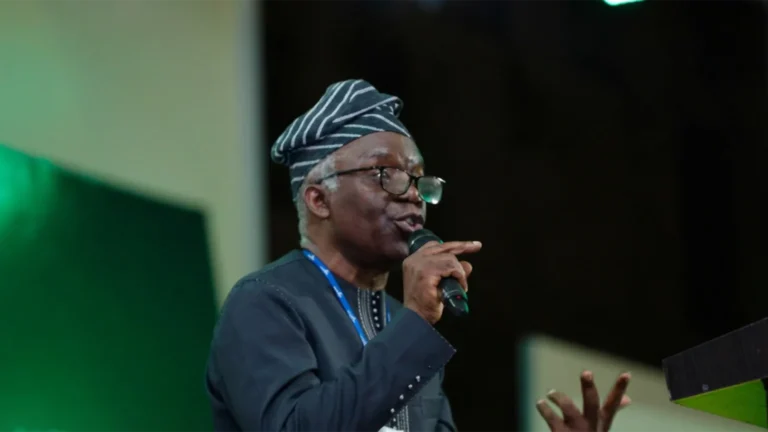
It is happening in pulpits, in prayer houses, and in the frank testimonies of men of God who have watched Nigerian politicians weaponise the sacred to serve the profane.
The central complaint is consistent and unsparing: politics, as currently practised in Nigeria, is not about what God wants. It is about what money can buy, what power can manufacture, and what propaganda can sustain.
That observation is right. And it carries a weight that goes well beyond theology.
The Gospel of Money Politics.
Nigerian politicians have perfected the art of seeking prophetic cover for ambitions that have nothing to do with divine mandate and everything to do with personal enrichment. They arrive at the gates of the church and the mosque with money. They leave with endorsements.
And the people, hungry and desperate, are told that God has spoken.
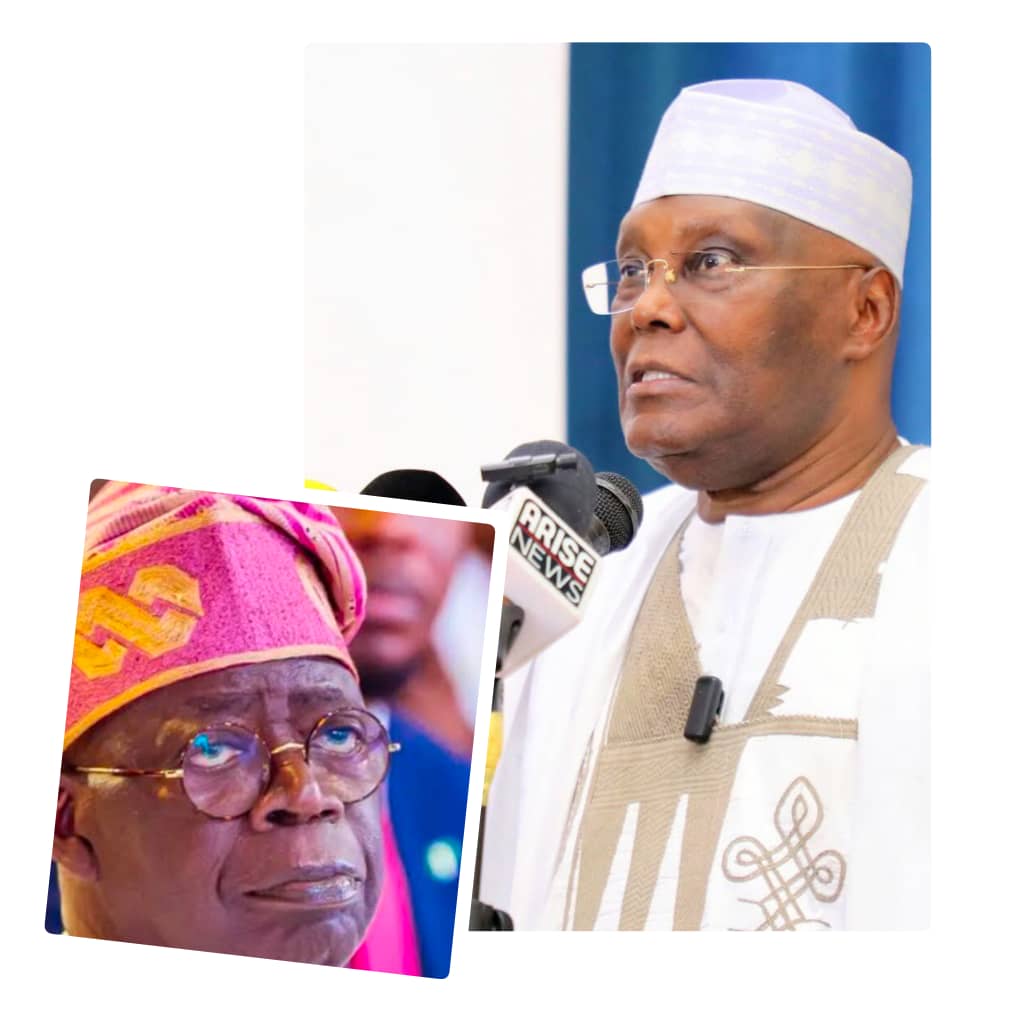
This is the architecture of manipulation that has governed Nigeria for too long. It is the same architecture that brought Bola Tinubu to power in February 2023, on the back of a campaign built not on ideas and not on any credible record of national stewardship, but on the raw, bruising power of money and machine politics.
A man who has never satisfactorily explained the falsification of his age and academic certificates. A man whose name is permanently attached to the voluntary forfeiture of $460,000 to United States authorities as proceeds of narcotics-related activity. A man whose path to Aso Rock was paved not by merit but by nearly thirty years of deliberate media deodorisation.
Thirty years during which Nigeria’s press looked away from a mountain of unresolved controversies, airbrushed his liabilities out of public conversation, and repackaged a deeply compromised political figure as a strategic genius and the nation’s most capable hand.
Nigeria did not elect its best man in 2023. It was sold one, and the bill is now being paid in poverty, hunger, and national humiliation.
There is a difference between a politician who buys a prophet and a leader who has actually served. That distinction matters enormously as Nigeria looks toward 2027.
The Tinubu Record: What Two Years Have Revealed.
When Nigerians were told in 2023 that Bola Tinubu was the answer, many in the church prayed. Many in the mosque beseeched. Many across the country simply hoped.
Two years later, hope has curdled into anguish.
The naira, which exchanged at roughly 460 to the dollar at the time of the 2023 election, has collapsed beyond 1,500. Petrol, which ordinary Nigerians were promised would become affordable under a reformed subsidy regime, now costs multiples of what it did.
Electricity tariffs have been hiked to levels that have shuttered businesses and darkened homes. The Nigerian Communications Commission, yielding to pressure from telecommunications companies, approved a 50 per cent tariff increase on telecom services, driving up the cost of the one utility that millions of poor Nigerians had come to rely on.
These are not abstractions. These are the lived realities of a population that was sold a vision and received a verdict.
Nigeria under Tinubu has not been reformed. It has been ransacked.
What God Actually Wants: Competence, Integrity, and Service.
The scriptural tradition shared by the majority of Nigerians, whether Christian or Muslim, is unanimous on the standard for leadership. God wants leaders who are humble, just, competent, and accountable.
He wants shepherds, not overlords. He wants builders, not looters.
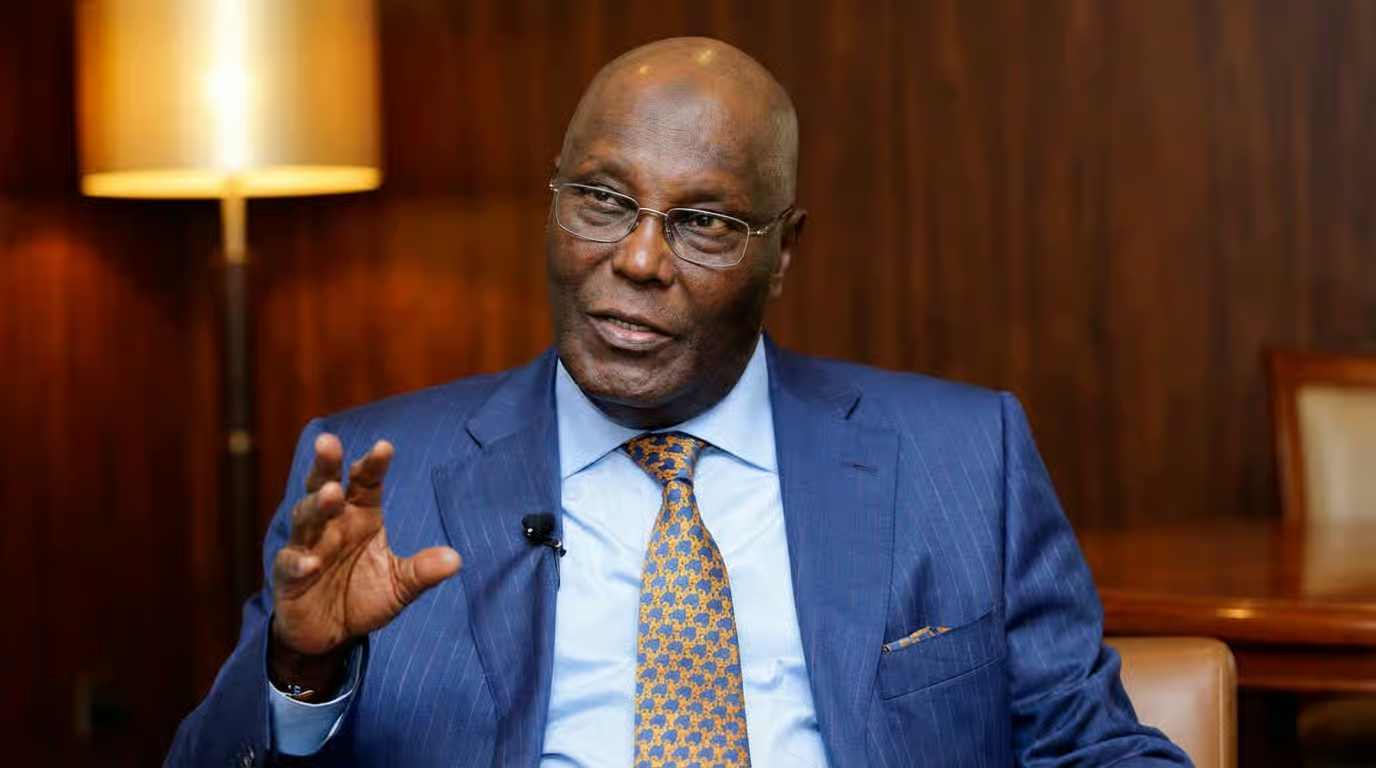
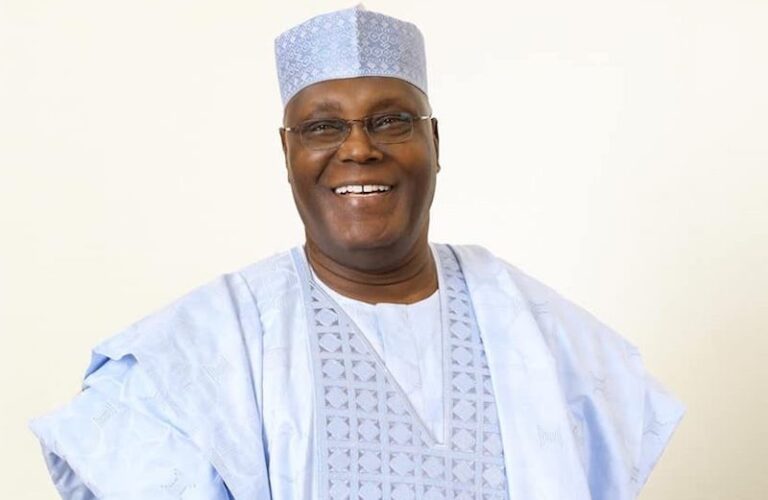
By that standard, the case for Atiku Abubakar and the African Democratic Congress in 2027 is not merely political. It is, in a profound sense, moral.
Atiku Abubakar’s record as Vice President between 1999 and 2007 remains the most consequential period of economic reform in Nigeria’s post-military history. Under his direct supervision as Chairman of the National Council on Privatisation, Nigeria’s telecoms sector was liberalised.
From a country with fewer than 500,000 functional telephone lines, Nigeria grew to over 100 million subscribers within a decade. That transformation did not happen by accident. It happened because a man with ideas, competence, and a genuine commitment to national development was given the authority to act, and acted decisively.
For millions of young Nigerians, that liberalisation was not a statistic. It was the phone in their pocket, the business on their screen, and the family member they could finally afford to call.
It was the difference between a country that was connected and a country that was not. Atiku Abubakar made that difference.
GDP growth during the Obasanjo-Atiku years averaged over six per cent annually. External debt was eliminated. The foundations of a modern economy were laid.
These are not campaign talking points. They are documented history, acknowledged by economists, development institutions, and independent analysts across the world.
Nigeria does not need a candidate who arrives with cash-stuffed envelopes. It does not need an administration that measures its success by the number of palliatives distributed to a suffering population.
It needs a leader who builds systems that work, institutions that endure, and economies that grow.
The ADC Coalition and the Arithmetic of Change.
There is also the matter of political mathematics. In the 2023 presidential election, the combined votes of the Peoples Democratic Party and the Labour Party exceeded Tinubu’s total.
The African Democratic Congress is now building a coalition designed to consolidate that opposition energy, to bring together the voters who rejected the APC in 2023 but were divided across multiple platforms, and to channel their collective will into a single, irresistible democratic mandate.
This is not a pipe dream. It is an emerging reality. Across the north, across the south-west, across the Niger Delta and the south-east, Nigerians who voted their conscience in 2023 are watching, organising, and preparing.
The ADC is the vessel for that preparation. Atiku Abubakar is the candidate around whom that energy is crystallising.
Every Nigerian, regardless of faith, must look past the money and ask the harder question: who has actually served this country? Who has the ideas? Who has the record?
A Moral Mandate for 2027
Nigeria is not simply facing an election in 2027. It is facing a civilisational choice. The choice between a politics of money, manipulation, and manufactured prophecy on one hand, and a politics of competence, accountability, and genuine service on the other.
God rules in the affairs of men. That is not in dispute. But His rule does not absolve Nigerians of the responsibility to choose wisely, to reject the merchants of manipulation, and to demand leaders whose records match their rhetoric.
By the measure of ideas over inducement, of record over rhetoric, of service over self-enrichment, the choice in 2027 is not difficult.
It is Atiku Abubakar. It is the ADC. It is the Nigeria that God, and Nigeria’s long-suffering people, actually want.
Aare Amerijoye DOT.B
Director General,
The Narrative Force