Aare Amerijoye DOT.B
A SPECIAL INVESTIGATIVE PROFILE
Before the vice presidency. Before the presidential contests. Before the vast machinery of politics and the burdens of national expectation, there was a young officer in uniform standing at the entry points of the Nigerian state, entrusted with one of the most sensitive responsibilities in public service: guarding the nation’s economic gates.
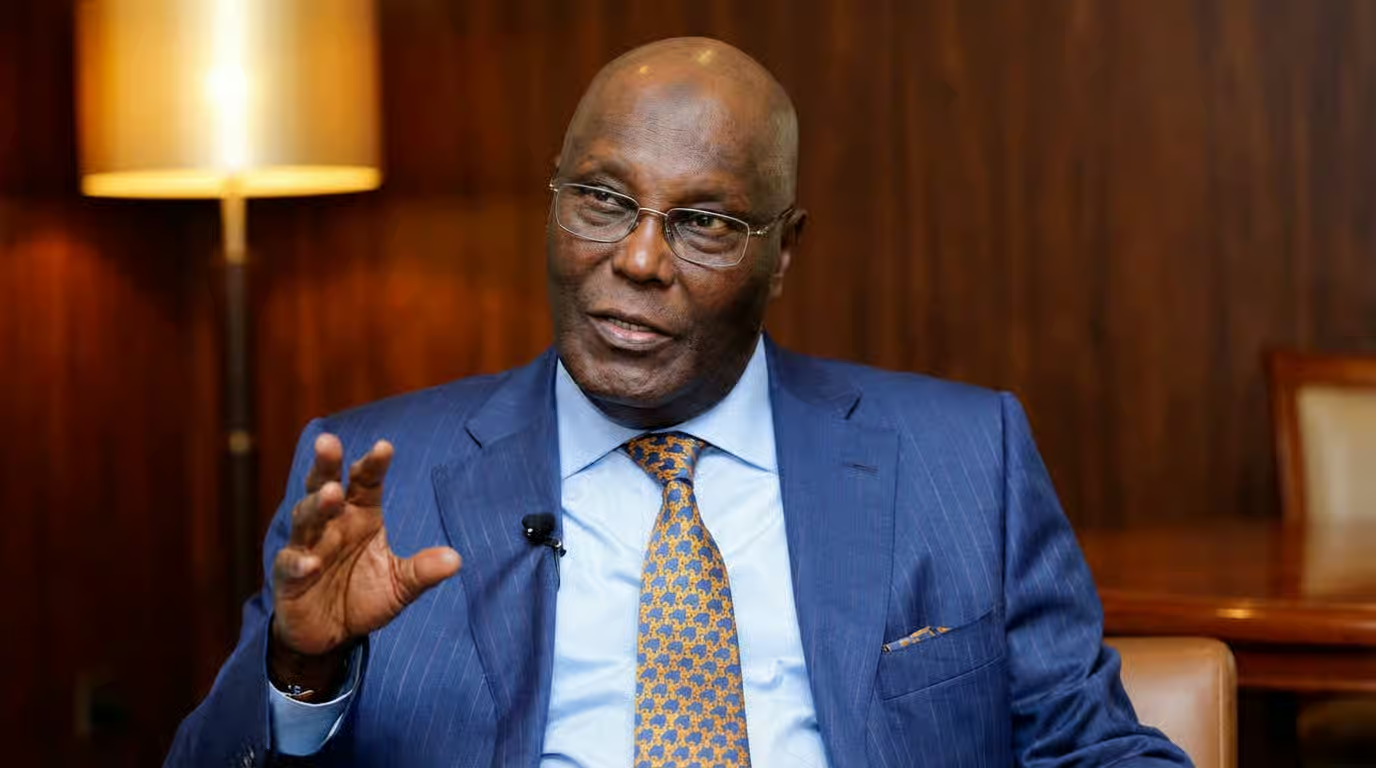
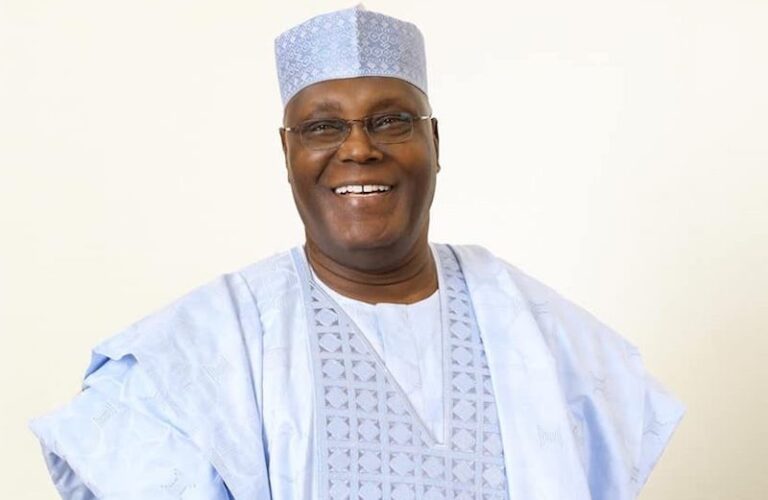
This is the chapter of Atiku Abubakar that predates political fame. His twenty years in the Nigeria Customs Service. Two decades that tested his discipline, exposed him to institutional pressure, and forged the administrative character that would later define his public life.
I. ENTRY INTO SERVICE: A YOUNG OFFICER IN A YOUNG NATION
On June 30, 1969, Atiku Abubakar was enlisted into the Nigeria Customs and Excise Department as a Cadet Assistant Superintendent.
Nigeria itself was emerging from civil war, attempting to stabilise its institutions and rebuild its economy. Customs was not merely a revenue agency. It was a frontline institution responsible for protecting national economic sovereignty.
Atiku entered the Service as part of a new generation of officers expected to professionalise enforcement and strengthen accountability at Nigeria’s ports, airports, and land borders.
His early training included formal coursework and professional development, including studies at the Customs training facility in Ikeja and exposure to international best practices.
These formative years grounded him in the technical and legal frameworks of border enforcement.
II. FRONTLINE POSTINGS: WHERE ENFORCEMENT MET POWER
Atiku’s assignments placed him at some of the most strategically critical and operationally demanding formations in Nigeria.
He served at:
Apapa Ports, Lagos, the country’s busiest maritime gateway
Murtala Muhammed International Airport, Lagos, Nigeria’s primary aviation entry point
Idi-Iroko Border, one of West Africa’s most active land corridors
These were not ceremonial postings.
They were enforcement theatres where officers confronted smuggling networks, duty evasion, prohibited imports, and complex compliance disputes involving commercial and political interests.
Service at these locations required vigilance, technical competence, and administrative judgment.
It also exposed officers to the realities of enforcing regulations in environments where pressure was often intense.
III. THE 1984 SUITCASES CONTROVERSY AND INSTITUTIONAL TEST
One of the most publicly discussed episodes of Atiku’s Customs career occurred in 1984 while he served as Customs Officer in Charge at Murtala Muhammed International Airport.
A consignment widely reported in national media as involving fifty three suitcases linked to a prominent traditional authority generated public controversy during the military administration of General Muhammadu Buhari.
The incident drew national attention and scrutiny toward the Customs Service.
According to Atiku’s published account, when journalists sought clarification, he confirmed that the importation had been recorded and that appropriate procedures were underway.
This confirmation led to internal administrative query, largely on procedural grounds relating to communication protocols.
He defended his action on the basis that he had confirmed information contained in official records.
The matter was reviewed within government.
He was not dismissed.
He continued his service.
The episode became one of the defining moments of his Customs career, reflecting the tensions that can arise between institutional procedure, public accountability, and operational transparency.
IV. CAREER ADVANCEMENT AND SENIOR LEADERSHIP
Over the course of two decades, Atiku rose steadily through the ranks.
He was promoted through senior officer levels and ultimately attained the position of Deputy Director before his retirement in 1989.
This placed him among the senior management cadre of the Service.
His responsibilities during these later years included administrative supervision and enforcement coordination.
His career progression reflected professional longevity within one of Nigeria’s most structurally important institutions.
V. VOLUNTARY RETIREMENT AFTER TWENTY YEARS
On April 30, 1989, Atiku Abubakar voluntarily retired from the Nigeria Customs Service after completing twenty years of public service.
He exited with extensive operational experience in border administration, regulatory enforcement, and institutional management.
His Customs career became the foundation upon which he later built his business and political trajectory.
VI. BEFORE THE POLITICS, THERE WAS THE PUBLIC SERVANT
Public memory often begins at the moment political visibility emerges.
But long before national campaigns and executive office, there was a Customs officer shaped by the discipline of institutional service.
An officer who served during a formative period in Nigeria’s post war administrative history.
An officer whose professional life unfolded at the intersection of law, commerce, and national sovereignty.
That chapter remains essential to understanding the later public figure.
Before the politics, there was duty.
Before power, there was service.
And before history took notice, there was a young officer at Nigeria’s gates.
Aare Amerijoye DOT.B
Director General
The Narrative Force