Aare Amerijoye DOT.B.
If we will not like gathering in 2027 to conduct a political postmortem, dissecting how victory slipped through our fingers, how history brushed past us but refused to embrace us, then the time for lamentation must give way to mobilisation. Reflection without reorganisation is self-deception. Memory without structure is ritual mourning.
Politics, as Benjamin Disraeli warned, is not a game of sentiment but of power. And power, when insulated from transparency, becomes a cathedral of ruin. It erects institutions that appear solid yet rest on moral sand. It produces authority without legitimacy, command without confidence.
Today, Nigeria stands at a democratic crossroads.
When reform becomes doubt
The APC government has normalised a dangerous contradiction, elections without confidence, institutions without trust, promises without proof. We were promised reform; we received opacity. We were told the process was sacred; we watched credibility erode in slow, bureaucratic motion.
An electoral system that cannot transmit results transparently cannot command moral authority. A democracy that resists real-time electronic transmission of results is a democracy flirting with suspicion. Youths are asked to vote, yet denied technological assurance that their votes are protected. Participation is encouraged; verification is resisted. Engagement is celebrated; transparency is postponed.
This is not democratic consolidation; it is democratic hesitation dressed as prudence.
As Harry S. Truman once observed, “The buck stops here.” In any serious republic, responsibility for electoral credibility must stop at leadership. Yet we witness a recurring choreography of deflection, a bureaucratic ballet of blame in which accountability evaporates at the point of consequence.
We are living in a paradox of digital rhetoric but analogue elections, innovation in speeches but hesitation in implementation. In the 21st century, resisting real-time electronic transmission of election results is not caution; it is regression disguised as administrative complexity. It signals not incapacity, but reluctance.
But this crisis is not merely electoral; it is economic. Nations that embrace transparency attract capital. Nations that resist it repel confidence. Investors do not merely study balance sheets; they study institutional credibility. Where votes are doubted, contracts are discounted. Where legitimacy wavers, currency trembles. The cost of opaque elections is not only political instability; it is economic contraction, weakened investor confidence, rising borrowing costs, and a generation forced to survive in an economy that distrusts itself.
When leadership becomes allergic to transparency, distrust becomes institutionalised. And when distrust becomes institutionalised, democracy survives in form but weakens in spirit.
The price of “almost”
The statement before us is not casual; it is strategic:
If we won’t like coming around to do a postmortem of how elections were lost in 2027, and how we almost won elections, all efforts must be galvanised; all resources, human and capital, must be pooled; all energies must be pulled; great understanding must be made; necessary sacrifices must be done; all forces loyal to the Party must come together.
This is not rhetoric. It is a democratic imperative. It is a warning against ceremonial opposition and fragmented ambition.
History is filled with movements that almost won. Almost is the cemetery of disorganisation. Almost is the alibi of fragmentation. Almost is how nations rationalise preventable defeat.
As Jerome P. Fleishman reminds us, effective leadership demands coordination. Coordination demands clarity. And clarity demands trust in the process. Where the process is doubted, coordination weakens. Where coordination weakens, victory evaporates.
Without real-time electronic transmission of results, trust remains negotiable. With it, confidence becomes measurable. Without it, suspicion lingers in the shadows of every collation centre. With it, sunlight enters the architecture of democracy.
All resources must be pooled, including technological expertise.
All energies must be pulled, including digital advocacy.
All sacrifices must be made, including internal compromises.
All loyal forces must unite, including reform-minded citizens beyond party lines.
Unity is not poetry; it is arithmetic.
When survival replaces reform
Under APC, survival has replaced systemic reform. We applaud minor improvements while structural deficiencies persist. We celebrate procedural compliance while substantive credibility is questioned. The threshold of expectation has been lowered so drastically that mere administrative normalcy is mistaken for excellence.
This is the satire of democratic minimalism.
Balarabe Musa stood for principled politics anchored in fairness and institutional integrity. Elections are not merely events; they are the oxygen of legitimacy. When oxygen thins, democracy gasps. When legitimacy wavers, governance loses moral velocity.
An oxymoron thrives: free yet feared elections. Citizens are invited to participate, yet haunted by doubt. Ballots are cast, yet confidence trembles.
A democracy that cannot conclusively prove itself to its own people slowly erodes from within.
A different orientation, a different outcome
Let us not speculate blindly; let us analyse directionally.
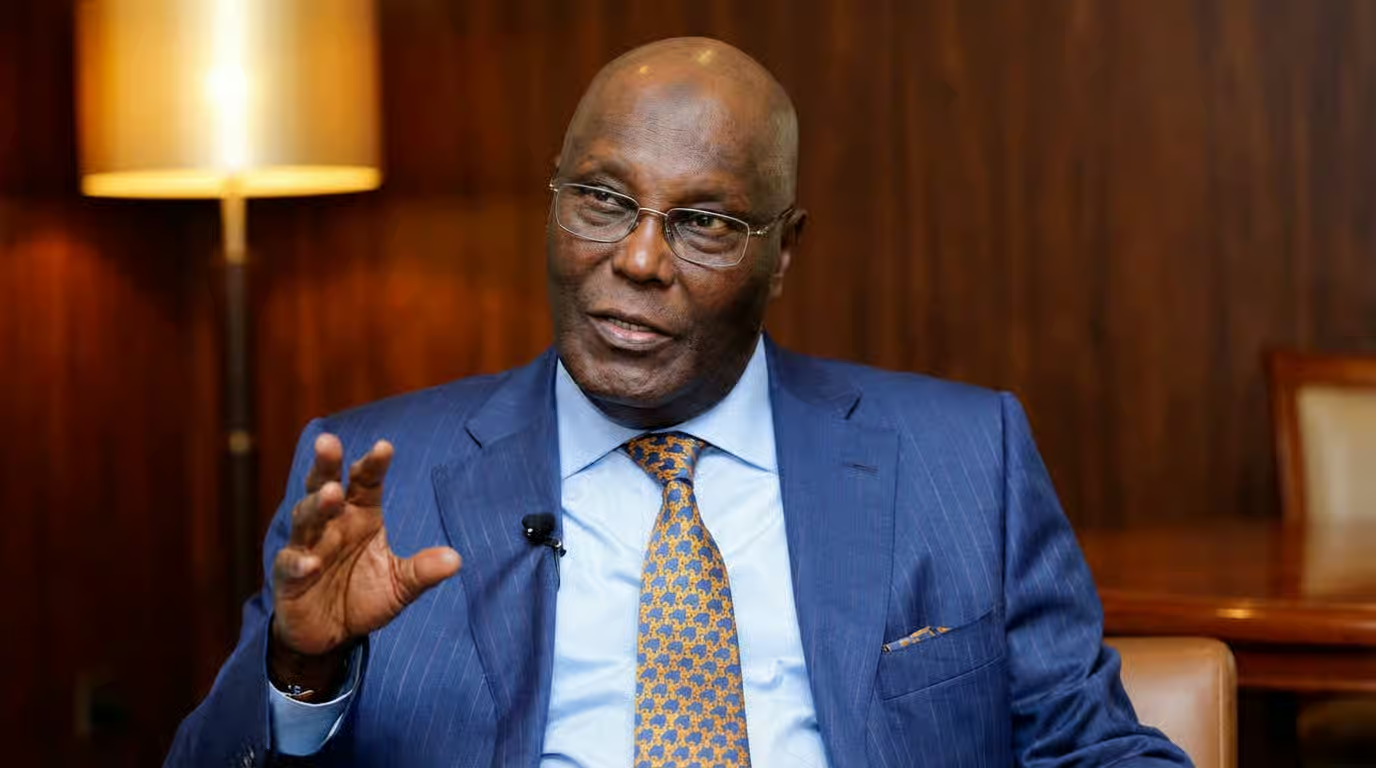
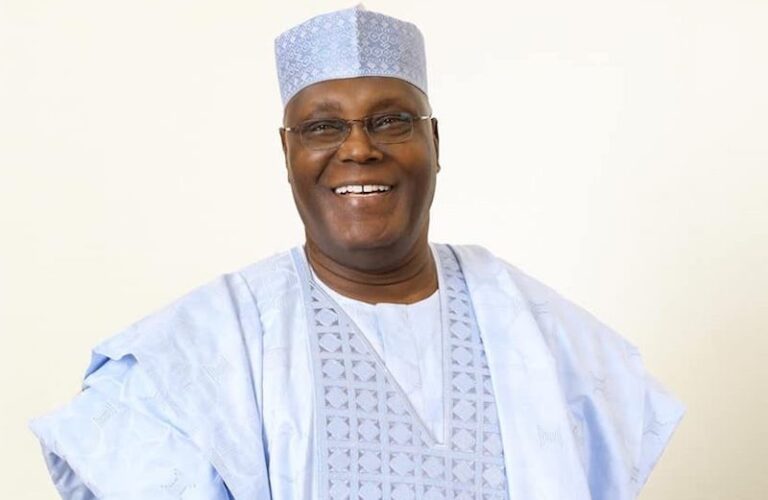
Atiku Abubakar, aligned with the reformist platform of the African Democratic Congress, represents a democratic orientation grounded in restructuring, institutional strengthening, and credible elections. The argument is not personal loyalty; it is structural logic.
Had Atiku and a reform-driven coalition under ADC leadership been in charge, Nigeria would likely have witnessed:
Immediate institutionalisation of real-time electronic transmission of results nationwide
Legal and technological safeguards to protect vote integrity
Strengthening of electoral bodies with accountability frameworks
Youth-driven digital monitoring systems integrated into national elections
A culture where transparency is default, not concession
As Charles H. Fowler asserted, “The best preparation for tomorrow is doing your best today.” Electoral reform cannot be postponed to convenience; it must be implemented with conviction. Delay is not neutrality; it is decision by avoidance.
Atiku’s long-standing advocacy for restructuring aligns with decentralised electoral confidence. Technology is not the enemy of democracy; opacity is. Reform is not instability; stagnation is.
And as Moshood Kashimawo Olawale Abiola symbolised, democracy must reflect the authentic will of the people. Real-time transmission is not a luxury; it is the digital expression of that will. It is the bridge between ballot and belief.
Where youth energy meets institutional architecture
Nigerian youths must decide whether they prefer emotional mobilisation or structural transformation.
Energy without institutional reform is noise.Energy with electoral reform is power.
If we do not insist on electronic transmission now, we shall analyse disputed outcomes later. If we do not demand transparency now, we shall dissect irregularities later. Delay in reform is preparation for controversy.
The 2027 election will not be secured by passion alone. It will be secured by:
Unified opposition strategy under ADC
Coalition-building beyond personalities
Legislative insistence on electoral technology
Grassroots digital awareness
Resource harmonisation
Internal discipline
As the adage says, sunlight is the best disinfectant. Real-time electronic transmission is that sunlight. Where light prevails, manipulation retreats.
Unity as strategy, not ceremony
All forces loyal to reform must come together, not ceremonially but operationally.
Partisan suspicion must give way to institutional vision.Personal calculations must bow to national credibility.Ambition must submit to democratic survival.
Fragmentation weakens reform.Unity secures it.
The arithmetic is simple: divided effort multiplies defeat; coordinated effort multiplies possibility.
Beyond victory, toward legacy
If Atiku emerges in 2027 under a strengthened ADC coalition, it must not merely be to assume office; it must be to institutionalise credibility, embedding electronic transmission into law, reinforcing independent oversight, and ensuring that future generations inherit a system they can trust.
The objective is not only political victory; it is electoral certainty. The goal is not temporary triumph; it is durable legitimacy.
Nigeria cannot endure another cycle of contested confidence.
When history writes the verdict
If we fail to galvanise all efforts, pool all resources, pull all energies, and demand real-time electronic transmission as a non-negotiable democratic standard, history will not pity us. It will record us not as victims of circumstance, but as witnesses who saw the fracture and refused to mend it.
But if the forces coalesce, if ADC consolidates reformist momentum, if Atiku leads with structural clarity, then electoral transparency will not merely be policy; it will be national rebirth.
2027 must not be a postmortem.It must be a mandate authenticated by light.
And the youth must not be observers.They must be authors of institutional rebirth.
History does not reward hesitation.It immortalises courage structured by preparation.
Aare Amerijoye DOT.B.
Director-General,
The Narrative Force (TNF)