Aare Amerijoye DOT.B
Nigeria is no longer debating abstract political philosophy. It is confronting measurable strain. Inflation has eroded purchasing power. Food prices have tested household resilience. Exchange rate volatility has unsettled markets and planning cycles. Youth unemployment continues to shadow the country’s demographic promise. Poverty remains not a slogan, but a structural burden carried daily by millions.
These are not talking points. They are lived realities.
When a nation of over 200 million people cannot guarantee predictable meals, stable jobs, secure communities, or reliable economic direction, leadership ceases to be a contest of personalities. It becomes a test of preparedness.
In moments of national stress, leadership must move beyond spectacle. It must demonstrate steadiness. A federation as complex as Nigeria does not merely need inspiration. It needs coordination. It needs competence. It needs discipline in economic management and clarity in institutional reform.
Recent economic indicators reflect sustained inflationary pressure and elevated food costs that strain ordinary incomes. When food inflation rises persistently, families adjust diets, small businesses shrink margins, and social pressure intensifies quietly. Exchange rate instability complicates import planning, discourages investment commitments, and creates uncertainty that ripples across supply chains. Investors respond not to emotion, but to predictability. Predictability rests on policy credibility.
For the average Nigerian, these macroeconomic terms translate into simple daily questions:
Can I afford basic food items?
Will my small business survive next quarter?
Will my child find work after graduation?
Is my neighbourhood secure?
Stabilisation must therefore precede celebration.
A credible recovery pathway begins with disciplined fiscal management aligned with monetary clarity. Inflation moderation requires improved domestic production, agricultural productivity expansion, reduced supply bottlenecks, and transparent communication from economic managers. Stability is rarely dramatic, but it is foundational.
Investor confidence does not return through rhetoric. It returns through regulatory consistency, enforceable contracts, procurement transparency, and institutional continuity. Capital seeks environments where policy signals are coherent and durable. Growth follows trust.
Security reform must be approached with equal seriousness. Nigeria’s security challenges are layered across regions and require intelligence-led coordination, professional capacity strengthening, local collaboration mechanisms, and measurable accountability frameworks. Economic stability and security stability are inseparable. Where security falters, investment retreats.
Fiscal federalism also demands renewed focus. Decentralised productivity is not merely a constitutional aspiration; it is an economic necessity. States must be empowered to develop comparative advantages in agriculture, manufacturing, technology, and regional trade corridors. When economic initiative is distributed, resilience strengthens. When everything is centralised, inefficiency multiplies.
Perhaps most urgent is youth employment. Nigeria’s demographic advantage must be converted into productive capacity. Skills pipelines must align with industry demand. Technical education must regain seriousness. Enterprise financing must be accessible to credible entrepreneurs. Employment is not simply an economic statistic; it is social stabilisation. A working generation is a confident generation.
These priorities require more than policy notes. They require coordination across ministries, agencies, state governments, and private-sector actors. Governance at this scale demands institutional familiarity, negotiation maturity, and disciplined execution.
This is where experience becomes relevant.
Understanding how federal institutions function , and where they stall ,equips a leader to reform them without destabilising them. Reform is not achieved by distance alone. It is achieved by insight paired with corrective intent.
Nigeria’s structural challenges are cumulative. They did not emerge overnight, and they will not disappear through symbolism. Sustainable progress demands patient sequencing of reforms, credible communication with citizens and markets, and the assembly of competent technocrats committed to measurable outcomes.
A serious presidency must prioritise execution over applause. It must build a cabinet anchored in expertise. It must communicate transparently, accept scrutiny, and maintain policy focus beyond news cycles. Governance is not performance art. It is disciplined coordination sustained over time.
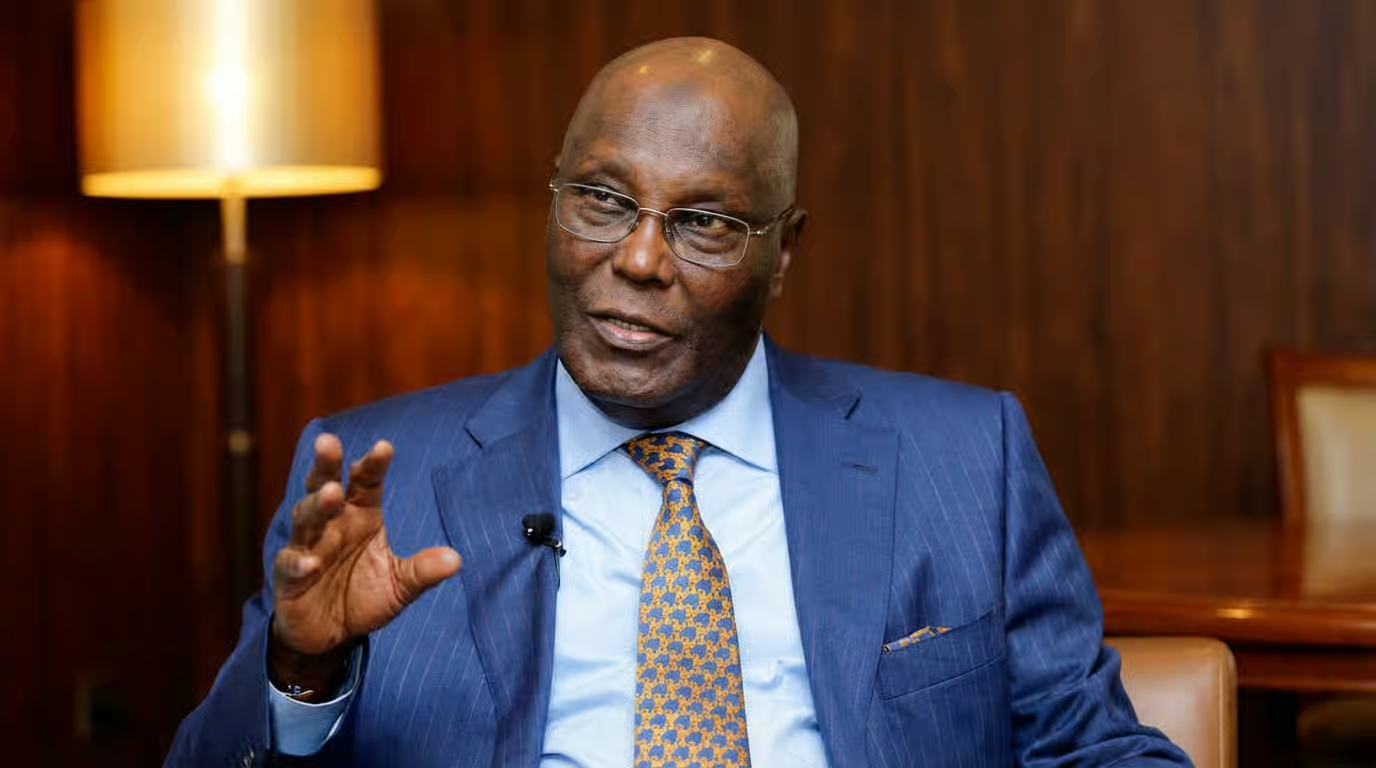
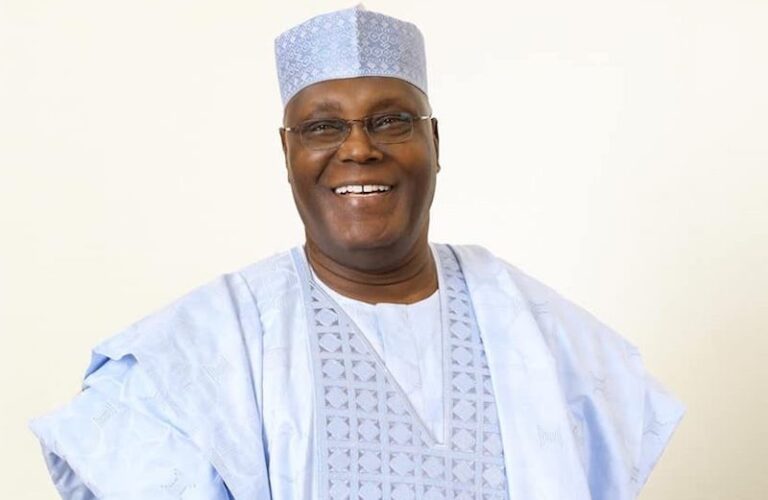
Within this framework, Atiku Abubakar’s long engagement in national economic and political debates situates him within a leadership model defined by structural awareness and reform orientation. His emphasis on restructuring conversations, private-sector participation, fiscal coordination, and inclusive national dialogue reflects an understanding that recovery must be institutional, not cosmetic.
The central question is not who speaks most forcefully about change.The central question is who can organise change into durable systems.
Nigeria does not need rhetorical acceleration. It needs disciplined recovery. It needs leadership that can combine reform ambition with institutional stability. It needs steadiness under pressure and clarity amid complexity.
A nation under strain cannot afford experimental governance. It requires leadership prepared for the weight of responsibility.
National renewal will not emerge from impulse. It will emerge from structure. It will not be sustained by excitement alone. It will be sustained by consistency.
Nigeria deserves leadership that restores stability before claiming success.
Leadership that builds confidence before seeking applause.
Leadership that measures progress not by slogans, but by improved living conditions.
Recovery is deliberate. Stability is intentional. Reform is structured.
And in seasons of pressure, deliberateness is strength.
Aare Amerijoye DOT.B
Director-General,
The Narrative Force (TNF)