Aare Amerijoye DOT.B.
Nigeria is not drifting by accident. It is being governed into exhaustion.
Under the watch of Bola Ahmed Tinubu and the machinery of the All Progressives Congress, the country has mastered a disturbing art: public celebration amid private suffering. Press conferences beam with confidence while households brace for the next price increase. Official optimism climbs; public endurance collapses.
This is not reform. It is reckless experimentation performed on a nation already fatigued.
The currency did not weaken mysteriously. Policy inconsistency weakened it. Investor hesitation did not fall from the sky. Uncertainty cultivated it. Inflation did not appear overnight. It was invited by choices made without sufficient calibration. Governance is about consequences, and today Nigerians are living with the consequences of leadership that appears more fascinated by bold declarations than disciplined execution.
What makes this moment especially galling is not merely hardship, but denial. The defenders of the status quo would rather attack critics than answer questions. They demonise alternatives instead of defending outcomes. They amplify propaganda instead of producing prosperity. A government that spends more energy managing perception than improving performance reveals its own insecurity.
Let us speak plainly. If the current direction were working, Nigerians would feel it. Markets would reflect it. Businesses would testify to it. Instead, traders lament shrinking margins. Transporters struggle with unstable costs. Young professionals watch opportunity migrate elsewhere. The supposed gains remain abstract; the pains remain concrete.
This is governance that punishes productivity and rewards proximity. It is an administration that appears more comfortable with applause from loyalists than accountability before citizens. The result is a widening gap between rhetoric and reality — a gap filled by the frustration of millions.
And here lies the contrast that unsettles the defenders of this order.
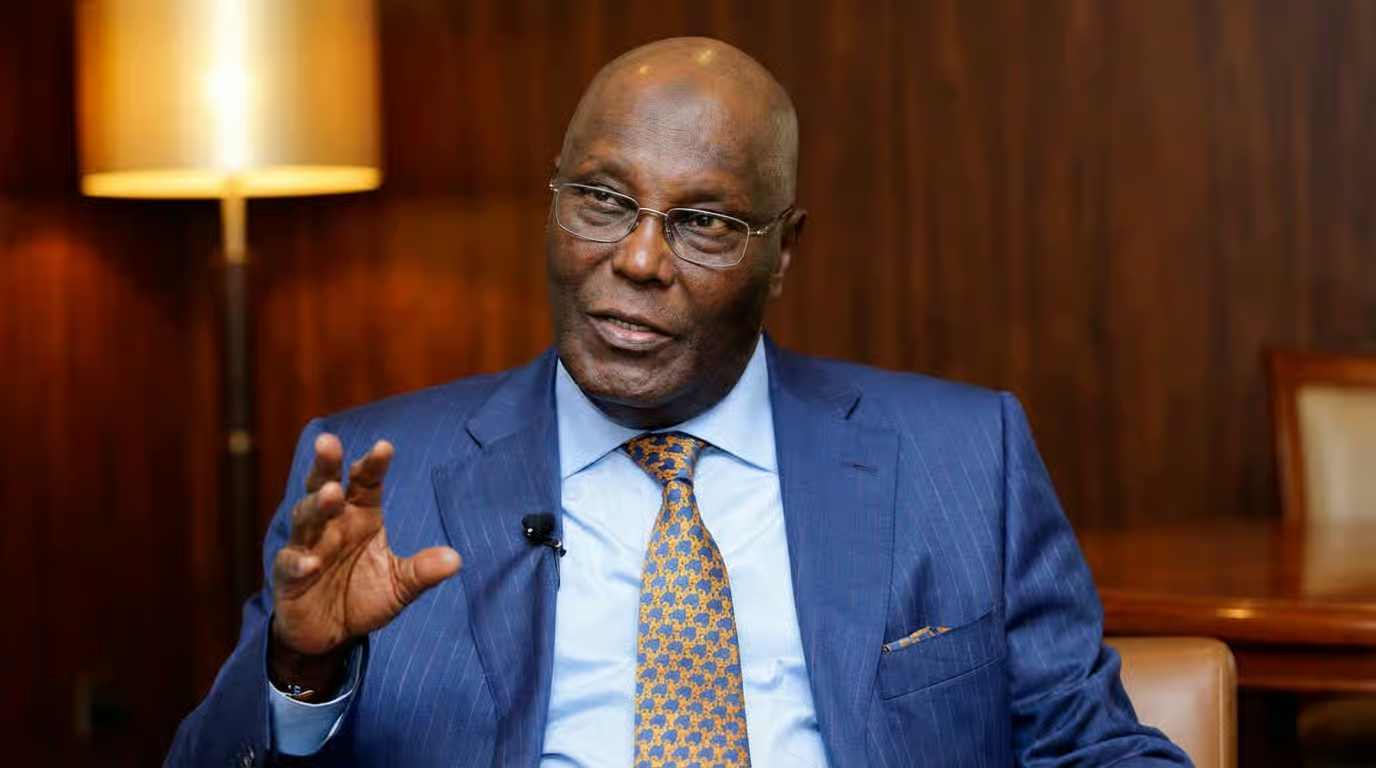
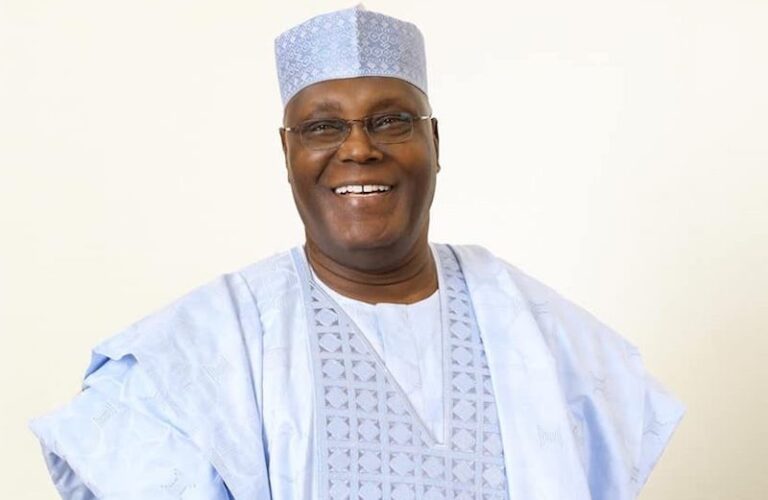
Had Nigeria been steered by Atiku Abubakar, a man whose political life has revolved around coalition-building and economic liberalisation, the country would not be navigating this climate of improvisation. His long-standing advocacy for restructuring, fiscal federalism, and private-sector empowerment would have offered structured sequencing, not abrupt shockwaves. Stability would not have been sacrificed on the altar of spectacle.
The present administration projects boldness. But boldness without precision becomes recklessness. Courage without coordination becomes chaos. Reform without cushioning becomes punishment.
A government must first protect the economic oxygen of its citizens. Instead, Nigerians are gasping. Small enterprises close quietly. Families renegotiate survival. Students adjust ambition to affordability. The social contract strains under the weight of daily disappointment.
As Edmund Burke cautioned, when those entrusted with power act without prudence, society absorbs the cost. Today, the cost is visible in every sector. What is marketed as transformation feels, to the ordinary citizen, like turbulence without destination.
The political strategy of the ruling party has become predictable: distract, accuse, deflect. When critics raise concerns about economic management, they are labelled adversaries of progress. When citizens question policy sequencing, they are told to endure for a promised future that never quite arrives.
But democracy is not an endurance test for the governed. It is a responsibility test for the governors.
The tragedy is that Nigeria is not short of capacity. It is short of calibrated direction. Our youth remain innovative. Our entrepreneurs remain resilient. Our regions remain resourceful. Yet under this administration, uncertainty has become policy, and volatility has become routine.
The approaching electoral cycle must therefore be treated as a national intervention. The opposition cannot afford timidity. It must mobilise workers, artisans, traders, students, and women with disciplined structure. Digital platforms must become arenas of substantive engagement, not mere outrage. The conversation must shift from personality to performance, from loyalty to livelihood.
Power is not permanent. It is conditional. When governance repeatedly produces hardship while defending itself with rhetoric, recalibration becomes inevitable.
Let it be said clearly: Nigeria cannot afford another chapter of managed decline disguised as reform. It cannot continue under a leadership culture that appears more invested in defending its image than correcting its impact.
In 2027, Nigerians will not merely cast votes. They will render judgment.
They will decide whether this era of economic suffocation continues — or whether the country reclaims direction under leadership anchored in experience, coherence, and national inclusion.
History does not reward governments that confuse noise for progress. It records outcomes.
And today, the outcome is unmistakable: a nation restless, a people burdened, and a mandate rapidly thinning.
The era of indulgent tolerance is ending.
The era of accountability is approaching.
Aare Amerijoye DOT.B
Director General,
The Narrative Force