Aare Amerijoye DOT.B
There is a dangerous habit in distressed nations: when governance stumbles, we lift our eyes to the sky and whisper that destiny has spoken. When policies wound the poor and unsettle the market, we console ourselves that providence has chosen. When hardship multiplies, we spiritualise suffering and call it sacrifice.
But heaven does not draft fiscal policy. Heaven does not float currencies without safeguards. Heaven does not remove economic stabilisers without constructing cushions. Heaven does not supervise budgets that punish productivity and reward opacity.
In theocracy, God chooses. In democracy, citizens decide. The flaw is never in divine perfection; it is in human transmission. The Infinite does not err. The interpreter does.
Nigeria’s present condition is not a mystery wrapped in metaphysics. It is the direct consequence of decisions. A land bursting with oil, gas, minerals, fertile soil, and restless ingenuity now wrestles with inflation that devours salaries before the month matures. A nation of extraordinary youth potential confronts unemployment that suffocates ambition before it blooms. Small enterprises, once vibrant with hope, now stagger under policy turbulence. Families measure survival in daily calculations.
This is not destiny unfolding. It is management unfolding.
John Locke insisted that government exists by the consent of the governed. Leadership is not mystical endorsement; it is measurable competence. The ballot is not incense offered at an altar; it is a contract signed with expectations.
When food prices soar beyond reach, it is not heaven testing faith. When savings evaporate under exchange volatility, it is not providence refining character. When industries retreat in uncertainty, it is not divine choreography. It is policy.
A Yoruba proverb cautions: the messenger who distorts the message must not blame the sender. If leadership falters, the fault lies not with heaven but with human execution.
Nigeria does not suffer from divine ambiguity. It suffers from administrative fragility.
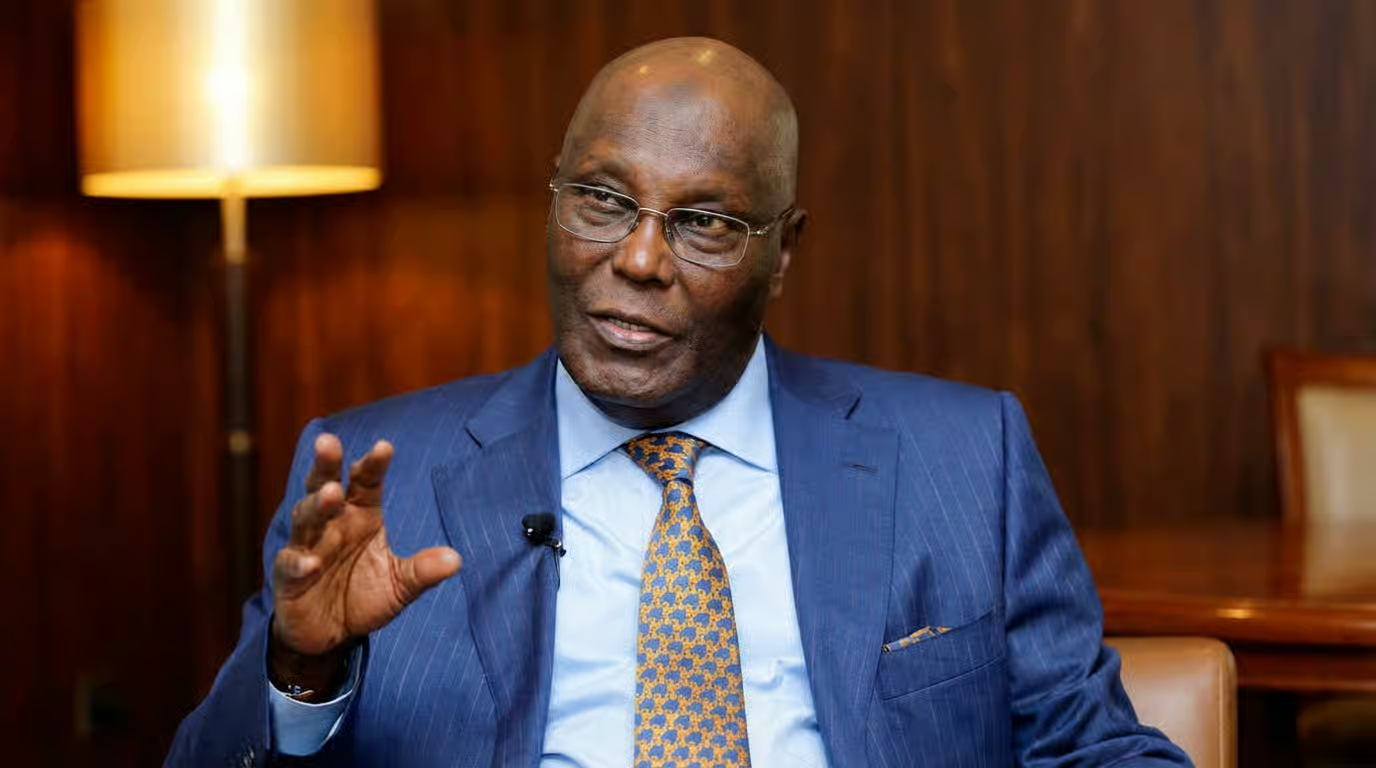
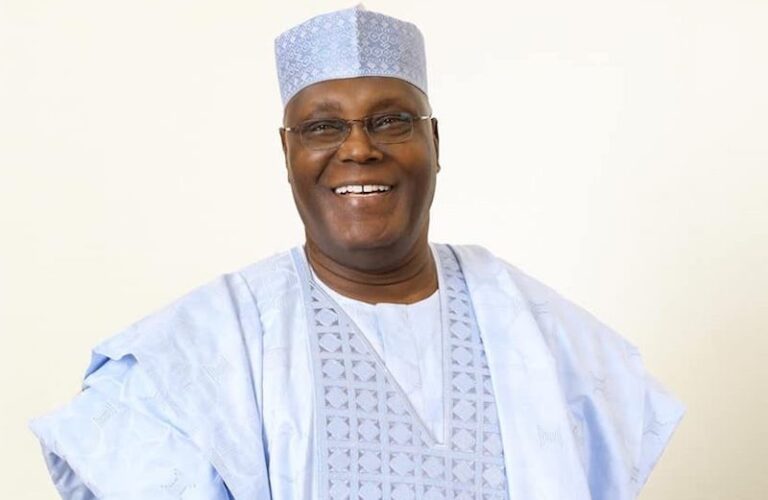
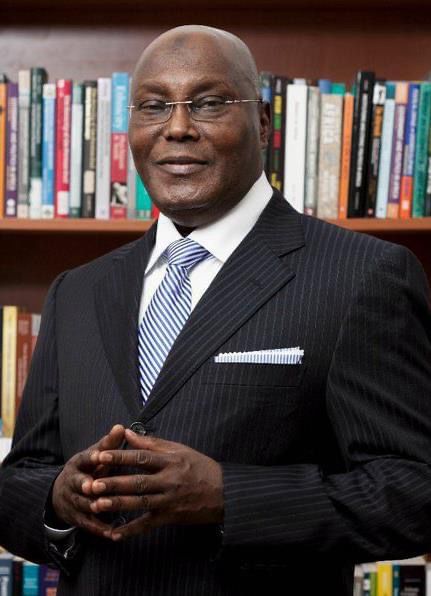
And here, the conversation must pivot to Alhaji Atiku Abubakar — not as a sainted figure, not as mythic hope, but as a tested architect of reform.
Atiku’s public record reflects an economic orientation grounded in liberalisation, institutional strengthening, and private-sector expansion. During his tenure as Vice President, the telecommunications liberalisation did not merely introduce mobile phones; it ignited a national economic awakening. It unlocked investment, created employment, expanded opportunity, and redefined connectivity across the federation. That transformation was deliberate policy, not accidental fortune.
Leadership at scale is not theatre. It is architecture.
Aristotle wrote that the purpose of the state is the good life. Not survival. Not endurance. The good life. That requires stability of currency, coherence of fiscal direction, encouragement of enterprise, and predictability of reform. These are not miracles; they are managerial outcomes.
Had Atiku Abubakar been entrusted with the helm at this critical hour, Nigeria would not be negotiating with uncertainty; it would be commanding investor confidence with clarity. Policy shifts would be sequenced, not abrupt. Market reforms would be structured with buffers. Currency management would be anchored in disciplined coordination between fiscal and monetary authorities. Industrialisation would be pursued with deliberate partnerships and export orientation. Youth empowerment would be strategic, not ceremonial.
Under disciplined economic stewardship, Nigeria’s growth would not crawl — it would surge with unmistakable force. Infrastructure development would accelerate with visible coordination. The private sector would expand with renewed confidence. Foreign direct investment would respond to stability rather than speculation. The psychological climate of the nation would shift from anxiety to anticipation.
This is not exaggeration. It is projection rooted in precedent and experience.
Montesquieu warned that power untethered from structure degenerates. Atiku’s reformist posture has consistently emphasised decentralisation, private-sector synergy, and institutional discipline. Prosperity cannot be decreed; it must be engineered. And engineering requires knowledge, experience, and economic literacy.
Nigeria does not require sanctified slogans. It requires structured competence. It does not need mystique. It needs mastery.
A republic of over two hundred million souls cannot continue to baptise hardship as destiny. It must insist on leadership that translates potential into palpable prosperity. Silence in the face of underperformance is participation in decline. Edmund Burke warned that when good men do nothing, decay advances unchallenged.
Theological language must never be weaponised to shield political performance. God’s sovereignty is perfect; human governance is reviewable.
The future of Nigeria is not sealed in fatalism. It is shaped by discernment.
The choice before the nation is stark: rhetoric or results; improvisation or institutional coherence; spectacle or structural reform.
Atiku Abubakar represents an economic vision expansive enough to reposition Nigeria as a continental powerhouse — a nation where currency stability restores confidence, where agriculture scales beyond subsistence into export strength, where digital innovation competes globally, where infrastructure connects productivity to prosperity, where youth energy is channelled into enterprise rather than exodus.
Under capable stewardship, Nigeria would not merely improve; it would transform at a pace that would redefine its global standing. Markets would stabilise. Growth would compound. Opportunity would multiply. Confidence would return with force.
Nations do not rise by divine accident. They rise by deliberate leadership.
Heaven may be infallible, but history records human competence.
And Nigeria knows the difference.
Aare Amerijoye DOT.B
Director General,
The Narrative Force