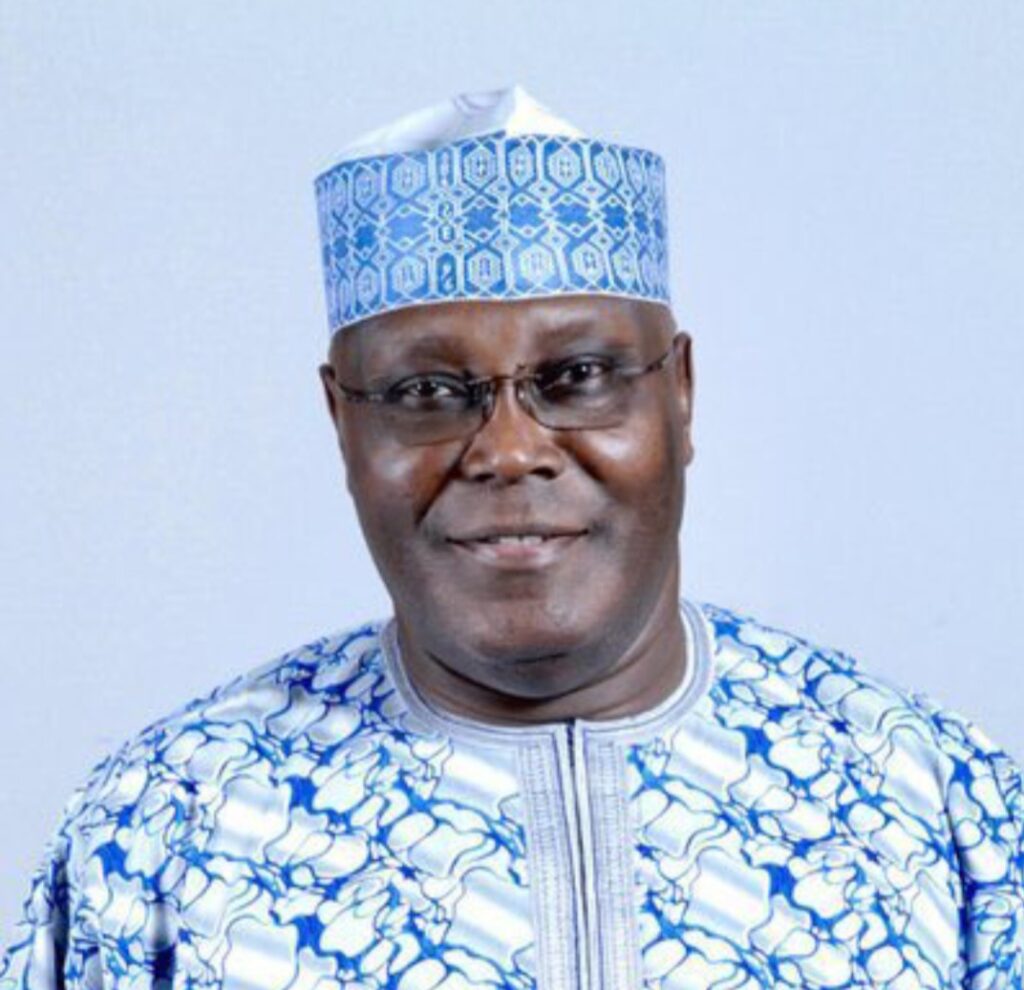
Aare Amerijoye DOT.B
There is a dangerous temptation in power: to replace scrutiny with scenery.
In the months preceding the 2023 presidential election, the Lagos Chamber of Commerce and Industry convened presidential candidates to address the organised private sector on the economy. It was not a carnival. It was not a rally. It was not applause theatre. It was a policy forum. A platform for interrogation.
Some candidates attended and submitted themselves to questioning.
President Bola Ahmed Tinubu did not attend that particular summit. Instead, his camp organised an alternative private-sector engagement structured on its own terms. Around the same period, he also declined participation in certain televised debate platforms, including prominent broadcast town halls, with his campaign maintaining that debate attendance was not constitutionally mandatory.
Legally correct? Perhaps.
Democratically sufficient? That is the real question.
Because leadership in a republic is not measured by what one can avoid, but by what one is willing to confront.
Let us be frank. Nigeria is not a classroom where a candidate may decline a common examination, draft his own questions, grade himself, and circulate the result as distinction. That metaphor may sound sharp, but it captures a deeper anxiety: the creeping normalisation of political stage management.
A republic is not sustained by curated optics. It is strengthened by unscripted accountability.
William Blake wrote, “If the doors of perception were cleansed everything would appear to man as it is, infinite.” Blake’s warning was artistic and spiritual, yet its political resonance is unmistakable. When leaders increasingly prefer controlled broadcasts to open interrogation, perception becomes a manufactured environment. Citizens are shown what to see.
But Nigerians do not live inside broadcasts. They live inside markets, bus parks, hospitals, farms and classrooms.
Inflation is not edited. The naira’s fragility is not rehearsed. Youth unemployment does not wait for favourable camera angles. When a nation is under economic pressure, what it requires is not choreography but candour.
Joanna Field observed with unsettling clarity, “For what is really easy… is to blind one’s eyes… and to evade the continual day to day sifting of values.” That insight applies to individuals. It applies even more to governments. It is easier to curate an environment than to defend a record under live scrutiny. It is easier to manage applause than to answer inconvenient questions.
There is a story about Blake that is worth recalling. As a young engraver, he resisted pressure to soften his artistic intensity for patrons who preferred safer, more comfortable imagery. He chose hardship over compromise. He understood that integrity is not convenient.
Joanna Field’s intellectual journey was equally rigorous. Through relentless self-examination, she insisted that growth begins where evasion ends. Nations, like individuals, mature when they confront reality rather than reframe it.
Nigeria today stands at precisely that junction.
The issue is not one debate. It is not one summit. It is a culture of governance. When political leadership begins to substitute structured accountability with carefully filtered messaging, democracy thins. The distance between ruler and ruled widens.
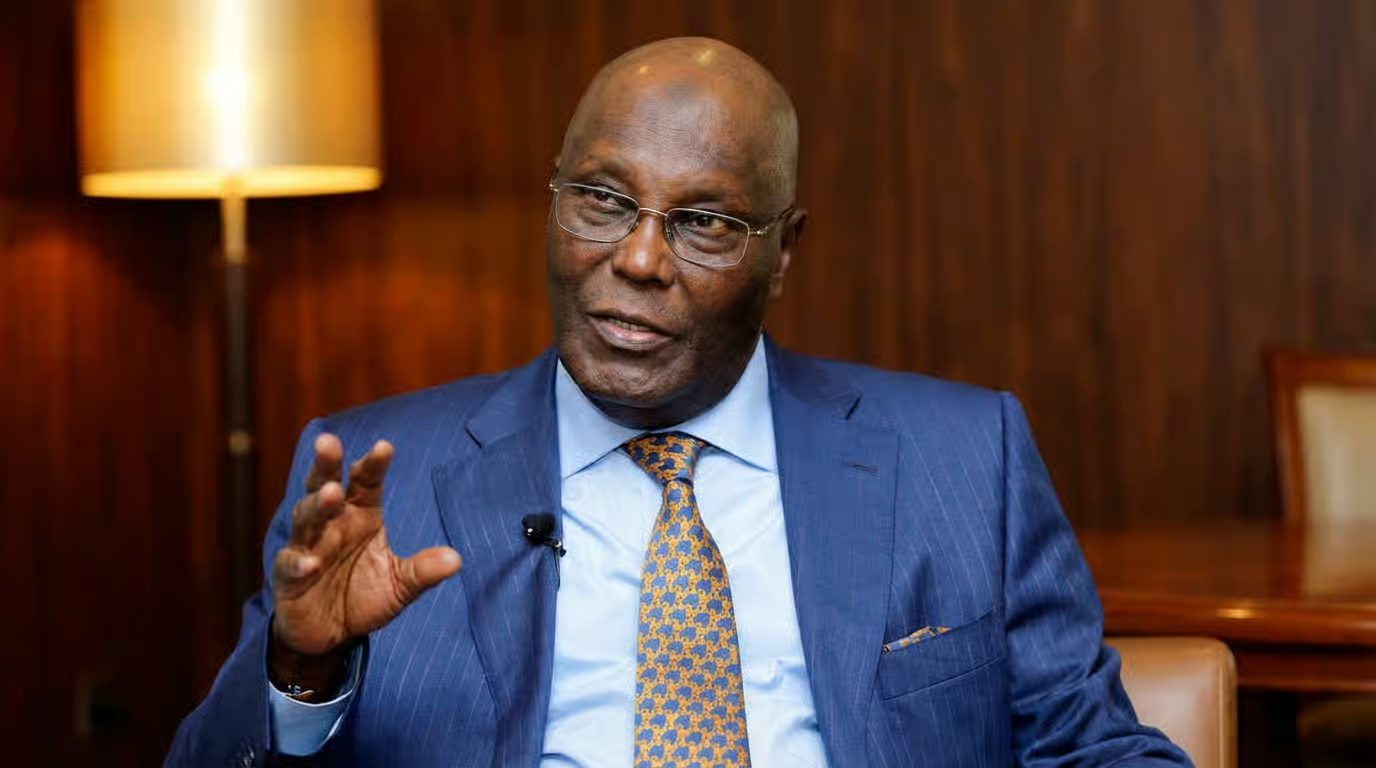
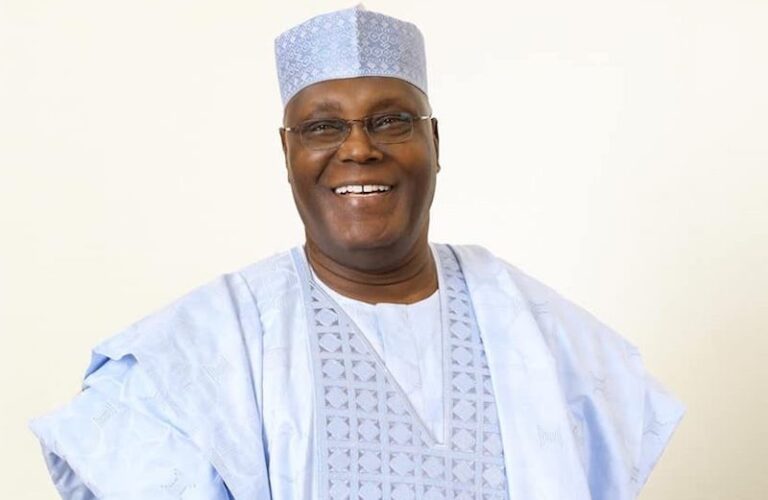
This is why the conversation around alternative leadership has intensified. Atiku Abubakar has, across electoral cycles, repeatedly appeared in open primaries, national debates, and unscripted media engagements. One may disagree with his ideology or policy prescriptions, but he has historically submitted himself to competitive scrutiny.
For many rallying under the African Democratic Congress, the appeal is direct: Nigeria’s crises demand a president who stands in the arena, not one who rearranges it.
The choice before the country is philosophical before it is partisan.
Do we reward stage management or substance?
Do we normalise avoidance because it is not illegal, or do we insist on courage because it is necessary?
A government confident in its economic direction does not fear interrogation by business leaders. A leader persuaded of his record does not shrink from live debate. Scrutiny is not humiliation. It is democratic oxygen.
Let us be clear. No constitution compels attendance at every forum. But no democracy thrives when its leaders treat public questioning as optional theatre.
Nigeria deserves more than controlled optics. It deserves clarity. It deserves candour. It deserves a leadership culture that does not measure success by how well the stage is arranged, but by how honestly the questions are answered.
History is rarely kind to choreographed presidencies. It reserves its respect for those who endure examination in full public view.
The republic is not a stage.
And Nigeria must never become an audience to its own future.
Aare Amerijoye DOT.B
Director General,
The Narrative Force