Aare Amerijoye DOT.B
In electoral politics, emotion mobilises; arithmetic decides. Nigeria’s 2023 presidential election remains a sober illustration of that principle.
According to the final results declared by INEC:
Bola Ahmed Tinubu secured 8,794,726 votes.
Atiku Abubakar received 6,984,520 votes.
Peter Obi secured 6,101,533 votes.
Rabiu Musa Kwankwaso obtained 1,496,687 votes.
If one combines the votes of Atiku and Obi alone, the total stands at 13,086,053 — exceeding the APC’s tally by 4,291,327 votes.
If one expands the frame to include Kwankwaso, the cumulative opposition vote rises to 14,582,740, surpassing the APC by 5,788,014 votes.
These figures do not imply automatic vote transferability. They do, however, demonstrate numerical potential — and in a first-past-the-post system, potential unrealised is power forfeited.
A measurable majority of participating voters preferred a candidate other than the APC standard-bearer. Yet victory accrued not to aggregated dissatisfaction but to the single highest vote-getter. That distinction is decisive.
It is therefore analytically insufficient to argue that the electorate bears no share of responsibility while opposition parties alone squandered their chances. Opposition fragmentation was real. Strategic miscalculations were evident. Coalition architecture was absent where it was most required.
But democracy distributes responsibility broadly. Where opposition votes disperse across multiple viable candidacies without convergence, the outcome is structurally predictable. Systems reward coordination. They penalise division.
The lesson from 2023 is not accusatory; it is instructive.
If the objective in 2027 is the displacement of the APC, the opposition must internalise a simple but often neglected truth: passion must be organised. Preference must be consolidated. Ambition must be subordinated to coalition.
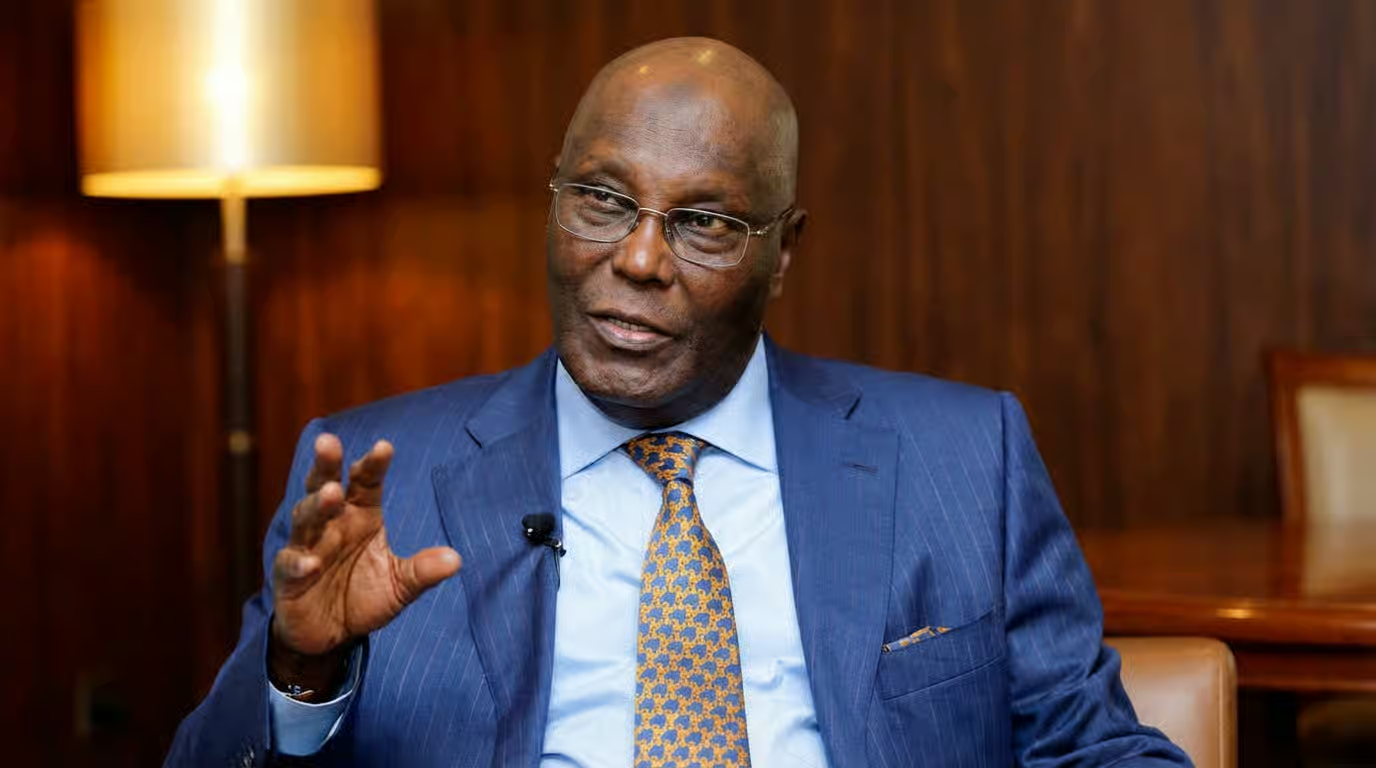
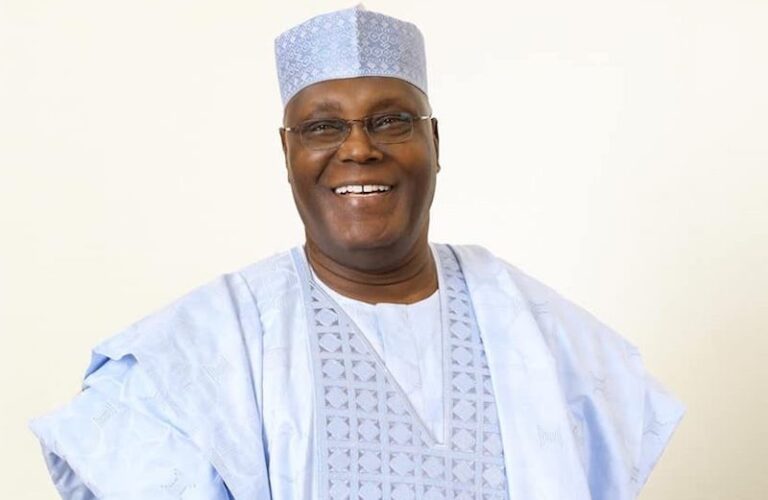
In that national calculus, Atiku Abubakar remains a central figure. His electoral footprint has been national rather than sectional. His political career reflects cross-regional engagement, institutional memory and coalition-building experience that are indispensable in a country as plural as Nigeria. Whether one agrees with his politics or not, his viability has been tested at scale.
Equally significant is the question of platform. The growing conversation around the African Democratic Congress signals a recognition that any credible challenge in 2027 will require an accommodating and disciplined vehicle — one capable of absorbing diverse political energies into a single national direction.
The figures from 2023 reveal that appetite for change existed in quantifiable form. The challenge before 2027 is ensuring that appetite is matched by alignment.
History does not record how loudly citizens protested. It records who secured the numbers required to govern. If the opposition fails to transform numerical potential into structural coherence, arithmetic will once again override aspiration.
The imperative is therefore maturity — political, strategic and collective. Nigeria does not lack voters who desire change. What it has lacked is the disciplined convergence necessary to translate that desire into victory.
2027 will not be decided by indignation alone. It will be decided by organisation.
Anything less risks repeating a lesson already written in unmistakable numbers.
Aare Amerijoye DOT.B
Director General,
The Narrative Force