Aare Amerijoye DOT.B.
There is a particular cruelty in watching a nation richly endowed reduced to a daily negotiation with misery. Nigeria, Africa’s most populous country and the world’s most populous Black nation, should by every rational economic calculation be a continental powerhouse. Instead, under the watch of the All Progressives Congress-led government, it has been refashioned into a museum of deprivation, where poverty is no longer an emergency but a permanent policy outcome.
That Nigeria has emerged as the global headquarters of extreme poverty is not an accident of fate, nor the consequence of cosmic injustice. It is the logical result of leadership that substitutes spectacle for substance and excuses for strategy. When over fifty-seven per cent of a nation’s citizens survive on less than a dollar a day, governance has crossed the line from incompetence into structured abandonment.
Population, which in functional economies is a multiplier of growth, has in Nigeria been treated as a burden rather than capital. Nearly 240 million people should constitute a vast internal market, a labour force capable of powering industrial expansion, and a consumer base that drives productivity. Instead, the state presides over a grim paradox: numbers rise, opportunity collapses; energy abounds, direction disappears; youth multiply, but jobs evaporate. Adam Smith warned centuries ago that “Consumption is the sole end and purpose of all production.” In Nigeria, misery is produced in abundance, and consumption predictably suffocates.
Unemployment has metastasised into a national condition. Degrees now function as certificates of disappointment, and skills roam the streets idle while mediocrity occupies strategic positions. Predictably, insecurity flourishes. Armed robbery, kidnapping for ransom, banditry, home invasions, and violent assaults have become the language of a society where honest labour is punished and desperation rewarded. Crime thrives where productivity is murdered.
What deepens the tragedy is the normalisation of conspicuous consumption without corresponding productivity. Luxury convoys glide past communities stripped of electricity, clean water, and healthcare, broadcasting a dangerous message: that wealth need not be created, only captured. Hannah Arendt once observed that “Power and violence are opposites; where one rules absolutely, the other is absent.” In Nigeria today, violence rules because power has abdicated responsibility.
The social consequences are brutal and unmistakable. Low life expectancy, high infant mortality, collapsing healthcare systems, decaying schools, and a standard of living that mocks human dignity have become routine. The poor are advised to endure, while the privileged are encouraged to celebrate. This is not governance; it is theatre performed on the ruins of public welfare.
Yet Nigeria’s suffering is neither inevitable nor irreversible. It is not written into our soil, our DNA, or our destiny. It is the direct outcome of leadership that confuses propaganda with policy and noise with effectiveness. John Locke reminded us that “The end of government is the good of mankind.” When policy consistently impoverishes the people, government has lost both direction and moral authority.
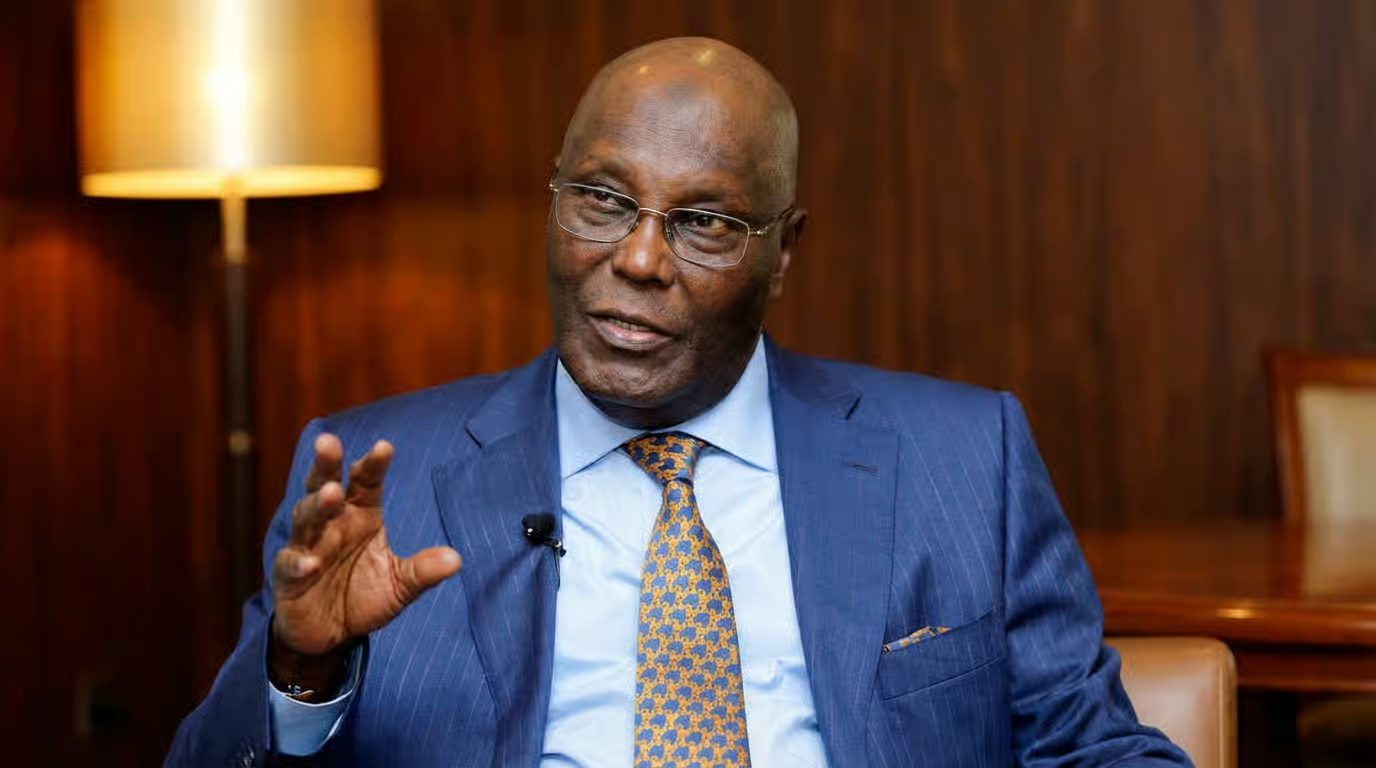
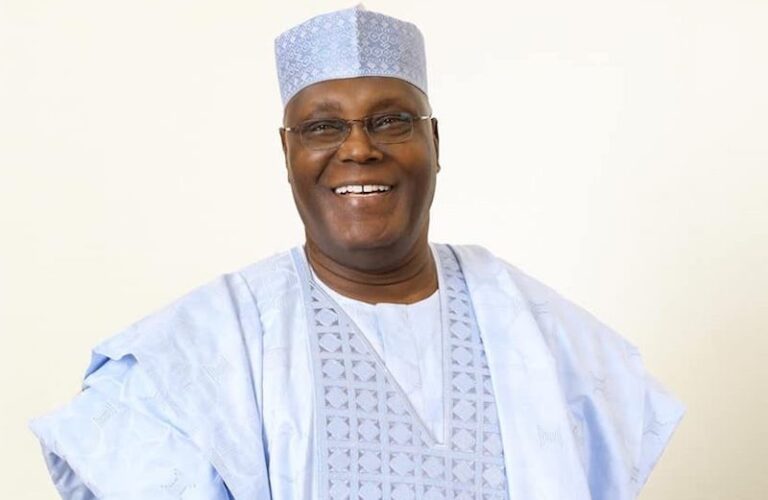
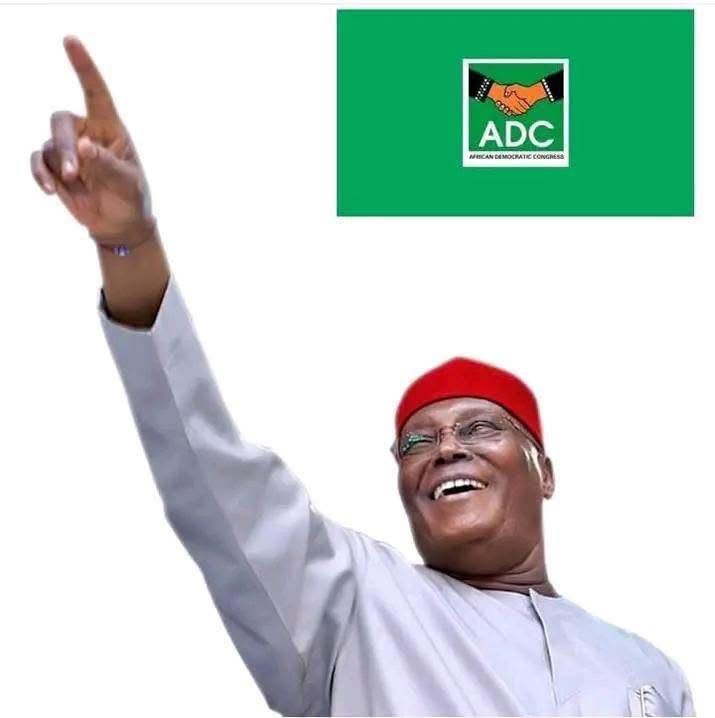
This is why the contrast matters. Under Atiku Abubakar, Nigeria would not be debating how to manage poverty but how to accelerate prosperity. Atiku’s record is empirical, not rhetorical. His success in building enterprises, managing complex organisations, and attracting investment reflects a deep understanding of markets as systems that reward efficiency, discipline, and innovation. He understands that wealth must be created before it can be shared, and that productivity precedes prosperity.
An Atiku-led Nigeria would have treated population as capital, not calamity. Industrial expansion, private-sector-driven job creation, decentralised economic empowerment, and rational allocation of resources would have replaced today’s improvisation masquerading as policy. Reforms would not be announced for applause but implemented for measurable outcomes. Peter Drucker captured this truth succinctly: “The best way to predict the future is to create it.” Atiku understands this. The present order merely predicts failure and attempts to manage it.
Where scarcity has been normalised, expansion would have been prioritised. Where insecurity feeds on unemployment, dignity of work would have choked crime at its roots. Where public resources are currently consumed without consequence, efficiency and accountability would have been enforced as policy, not slogans. Poverty would have been confronted through productivity, not pity.
There is an African proverb that says when the drumbeat changes, the dance must also change. Nigeria’s drumbeat under the APC has been one of confusion, contradiction, and cosmetic governance, and the dance has followed accordingly—chaotic, exhausting, and humiliating. A different drummer would have produced a different rhythm, and with it, a different national outcome.
Nigeria is not poor because it lacks people, land, or resources. It is poor because it has tolerated incompetence dressed up as governance. It has mistaken endurance for wisdom, noise for policy, and propaganda for progress. Under the present order, survival has been elevated into a national aspiration, while excellence is treated as an inconvenience. This is why misery has been normalised and hope rationed.
Had Atiku Abubakar been in charge today, the national conversation would not revolve around insecurity, shrinking opportunities, and economic suffocation. It would centre on productivity, expansion, employment, and shared prosperity. History is merciless to nations that refuse to learn, and Nigeria is running out of excuses. A country this endowed has no moral right to be this broken.
Aare Amerijoye DOT.B.
Director-General,
The Narrative Force