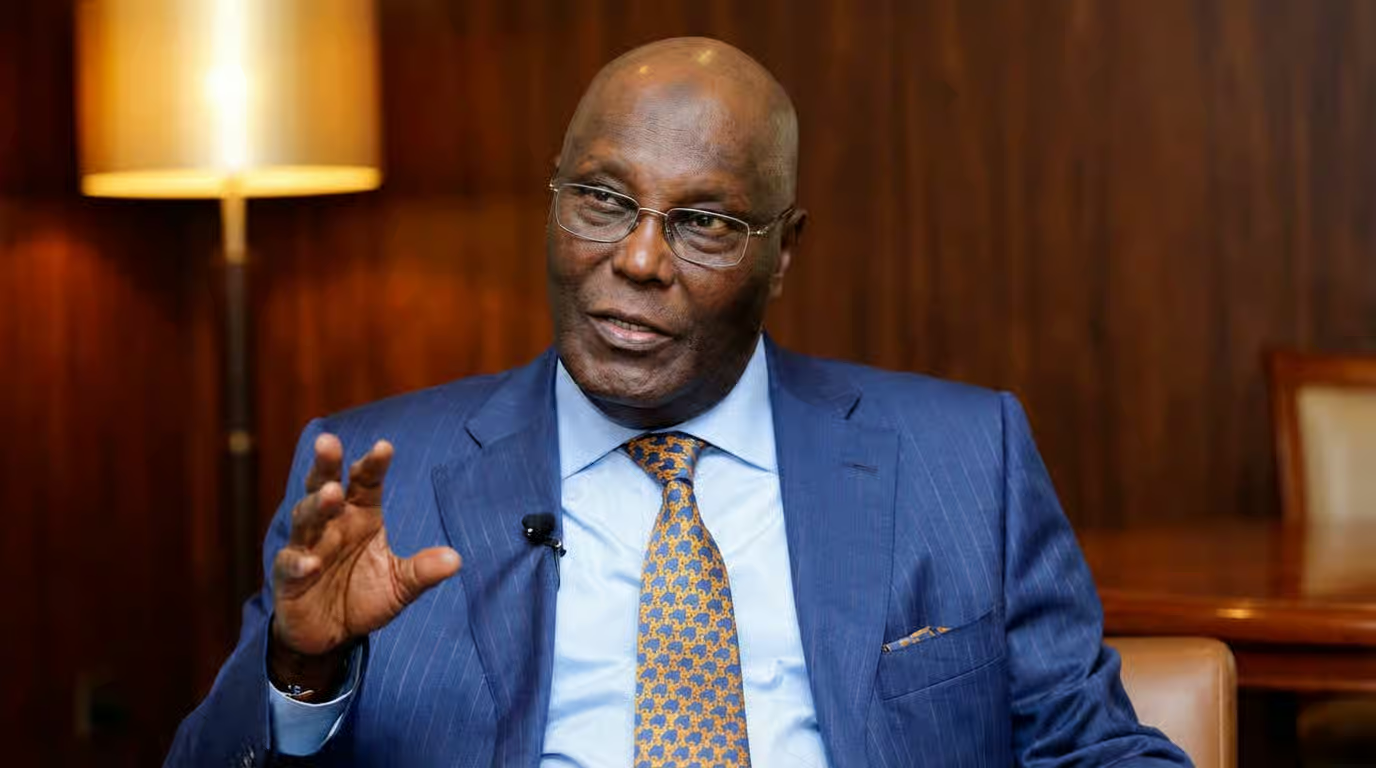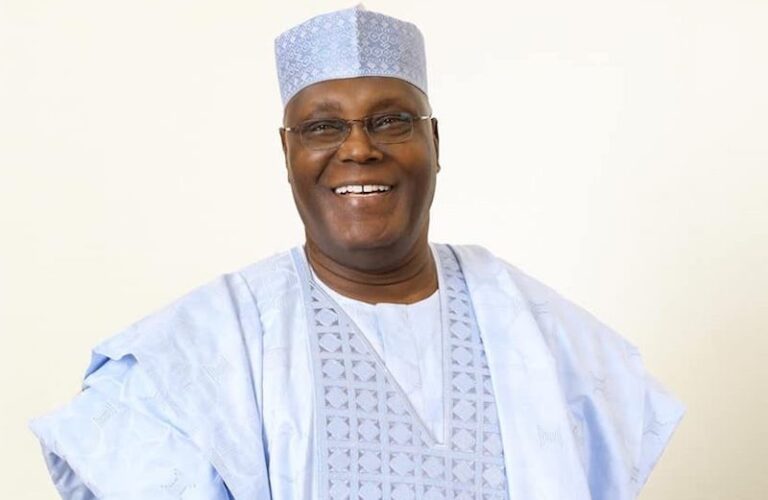
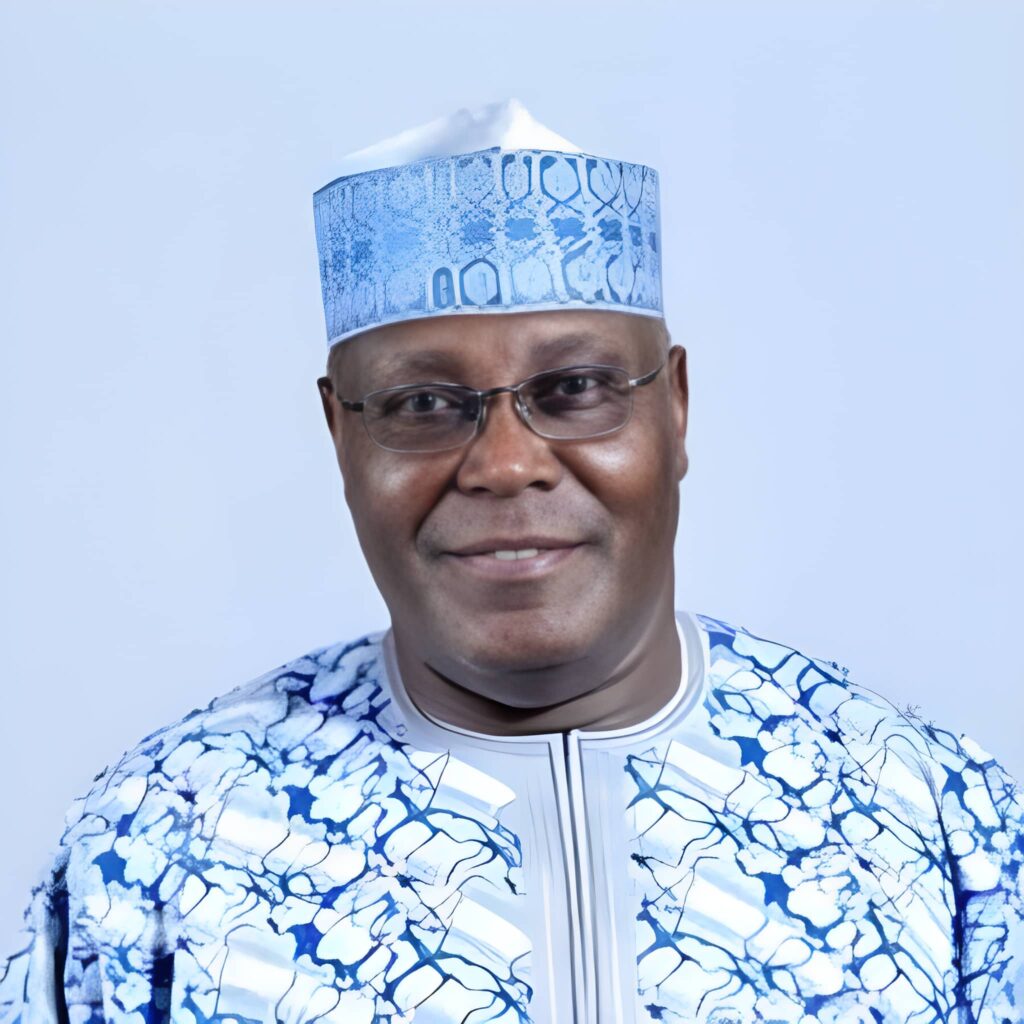
It is obvious to every impartial observer of political events in the country that Atiku Abubakar becoming the next president of Nigeria is a done deal.
This conclusion does not arise from sentiment or partisan romance, but from the steady alignment of experience, national memory, and the quiet recalibration now occurring across Nigeria’s political landscape, a recalibration driven by hunger, fatigue, broken promises, and a collective rejection of misrule that has exhausted patience across classes and regions. It is the product of lived hardship meeting remembered competence, and of a people mentally exiting an era that has brought them more pain than promise, more slogans than solutions, and more cruelty than care.
And everywhere he goes he keeps assuring the Nigerian people of his determination to transform the nation for the better and improve the living standard of the people, a consistency of message that signals seriousness rather than theatrics, substance rather than sloganeering, and preparation rather than improvisation. He is a man who is not running away to be asked questions by the Nigerian people, a posture that immediately distinguishes leadership from evasion and courage from convenience, especially in contrast to a ruling order that increasingly recoils from accountability while governing by shock, surprise, and economic ambush.
A good leader and the president Nigerian people desire is meant to be able to pick a piece of issue and flog it like Atiku; to show a thorough understanding and the dynamics of implementation, especially in a country where policy failure often begins not with ideas but with execution. A leader Nigerian people yearn for is expected, like Atiku, to be open to questions and debates from observers and citizens on his plans and manifesto, not as a performance but as a democratic obligation, and not as an occasional gesture but as a governing habit sorely absent under the present administration whose style has elevated decrees over dialogue.
And he alone defends his point of view to the satisfaction of the citizenry or otherwise, reinforcing the principle that leadership must submit itself to scrutiny rather than hide behind propaganda, media intimidation, policy confusion, or manufactured applause. At the end of the day, the quality of his ideas and ability to sell them will determine his fate, and Atiku’s enduring strength lies in the fact that his ideas are anchored in governance memory, not improvisation, unlike the policy somersaults, fiscal shocks, and economic experiments that have plunged millions into deeper misery under Bola Ahmed Tinubu.
Nigerians expectedly are supporting Atiku in anticipation of 2027, looking forward to the better life that is being promised by him with much eagerness as they see him as a man who can fix the problems of the country, problems that have been aggravated rather than alleviated by the All Progressives Congress. This expectation cuts across regions and generations, and it is particularly intense among young Nigerians whose productive years have been squandered by policy uncertainty, joblessness, collapsing education, unaffordable housing, and an economy that punishes effort while rewarding proximity to power.
Nigerian people are choosing Atiku to free them from the gory of poverty distributorship of the All Progressives Congress, a system that has normalised suffering while trivialising accountability and weaponising hardship as policy. Atiku is being seen by the voter classes as a man armed with the political will and inner stability to spread the dividends of democracy to the people of the country in a better way; so that their hardships will be alleviated and laughter restored to homes where hope has been rationed by inflation, insecurity, fuel price shocks, food scarcity, and institutional cruelty.
He is so ready and determined to do great things for the country, as God works in a man He finds readiness, and this readiness is being demonstrated by Atiku in all his engagements and interviews, where clarity replaces confusion, empathy replaces arrogance, and solutions replace excuses. This disposition resonates deeply in Northern Nigeria, where leadership is traditionally judged by steadiness, restraint, fairness, and capacity rather than noise. It also resonates powerfully with the youth across the federation, who are no longer seduced by slogans but are desperate for a future that functions, rewards effort, and restores dignity.
Atiku is not a man who is seeking the presidency of Nigeria as a nominal title but a man who, if entrusted with the responsibility of the Nigeria presidency, has a lot to offer the Nigerian people, far beyond rhetoric and symbolism. He is decisive and reliable, attributes that have grown scarce in recent governance cycles marked by uncertainty, reversals, mixed signals, and economic shock therapy without compassion. He has tremendous intelligence, not merely academic but administrative and organisational, sharpened by years of navigating Nigeria’s complex federal structure and balancing competing interests.
Atiku can laboriously help in making Nigeria an economically viable country, drawing from his experience at the centre of government when Nigeria witnessed reform momentum, growth, institutional confidence, and renewed international credibility, rather than capital flight, currency freefall, and investor anxiety.
It was during this period that Nigeria undertook the historic telecommunications liberalisation, dismantling a stagnant state monopoly and opening the sector to private investment, competition, and innovation, a reform that expanded access from a few hundred thousand telephone lines to tens of millions of active subscribers and demonstrated how thoughtful policy, disciplined execution, and political will could rapidly transform everyday life for ordinary Nigerians.
He is a man of his word, and his leadership perspective is to bring all Nigerian people to terms with the need to see Nigeria’s problems as a collective responsibility tíhat requires the efforts of all to fix, an outlook essential for coalition-driven national recovery after the fragmentation, polarisation, and hardship imposed by APC governance.
Atiku is endowed with sufficient capability and is profoundly a wise person to provide leadership for the country.
He is a man with a combination of courage, flair, political sagacity, organisational dexterity, and native intelligence, qualities that matter profoundly now that the Nigerian state has been weakened by policy incoherence, social strain, and economic exhaustion under Bola Ahmed Tinubu. While the present order has turned governance into a test of endurance for the masses, Atiku understands governance as a disciplined exercise in responsibility, balance, empathy, foresight, and measurable outcomes.
Atiku has a better grasp on how to run the programme of government to better the lives of the poor masses, and he understands how such programmes must be meticulously phased so that sensitive and strategic sectors of the economy receive priority attention, rather than being sacrificed on the altar of fiscal recklessness and ideological stubbornness. This matters in a moment when young Nigerians are excluded from opportunity and many Northern communities face compounded economic pressures intensified by inflation, insecurity, and collapsing purchasing power.
The general impression everywhere is that Atiku is the most suitable for the Nigeria presidency, especially now that the economy of the country has deteriorated under the All Progressives Congress and the Nigerian people urgently need leadership capable of remedying the anguish brought upon them by APC-led governance, not managing it with indifference or explaining it away with propaganda.
Atiku is a man who has the propensity to keep to the covenant he is making with the Nigerian people to bring succour to them. And he will demystify the concept of leadership by returning it to what it truly is: service to the people, not punishment of the people, compassion not contempt, solutions not suffering.
Matthew 20:27 says, “And whosoever will be chief among you, let him be your servant.” This is not merely scripture; it is a governing philosophy whose absence has deepened national suffering. If God makes Atiku the next president of Nigeria, his areas of concern will ever remain service to the people, economic restoration, youth inclusion, and national cohesion, rather than the politics of pain Nigerians currently endure.
Support Atiku Abubakar as Nigeria approaches its next decisive chapter.
Support competence over cruelty.
Support service over suffering.
Support national rescue over APC ruin.
Aare Amerijoye DOT.B.
Director General
The Narrative Force