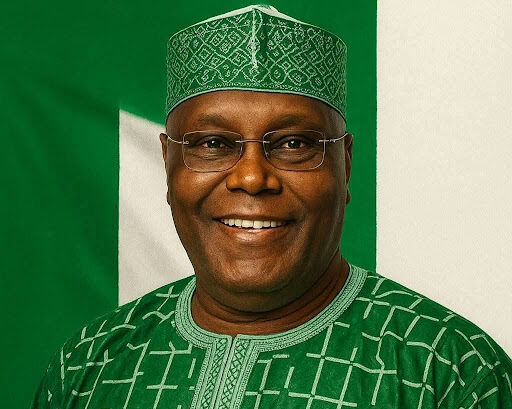
“Great dreams are not born in comfort; they are carved through fire, through rejection, and through relentless hope.”
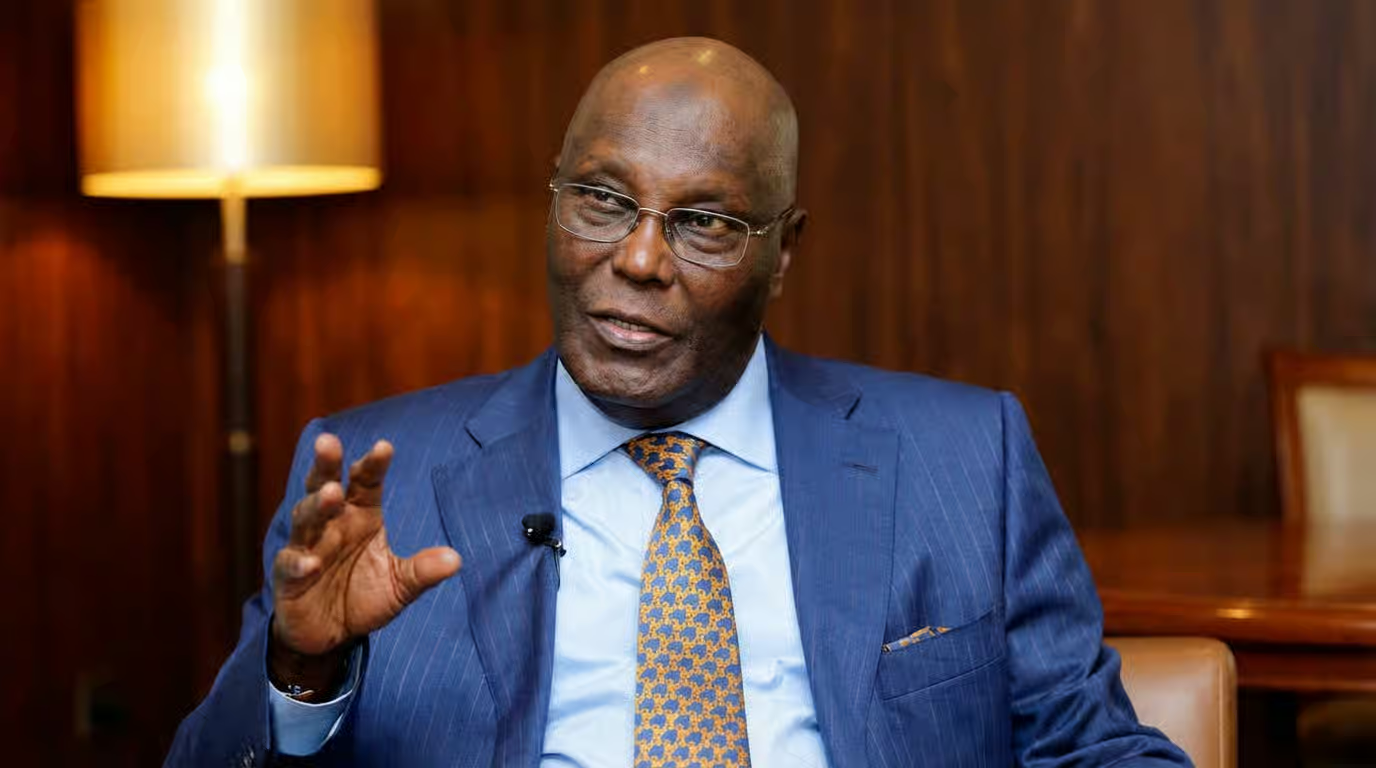
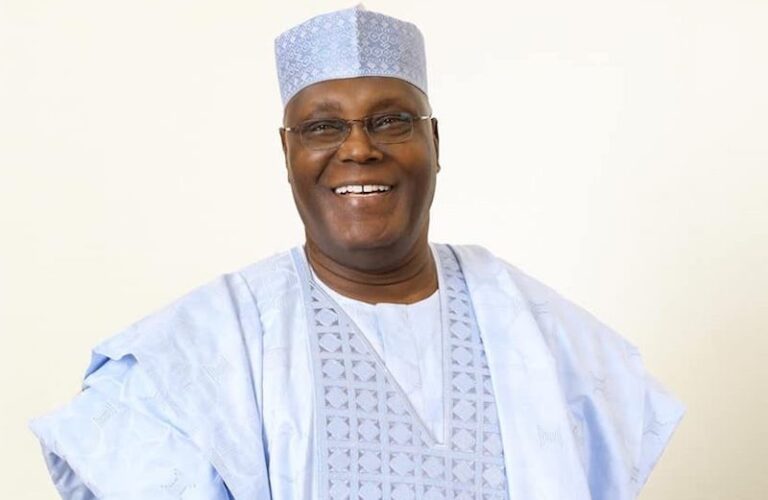
In the vast theatre of Nigeria’s politics, one name continues to haunt the corridors of power and echo through the conscience of a struggling nation: Atiku Abubakar. Like a persistent sunrise that refuses to be dimmed by the clouds of conspiracy or the storms of sabotage, Atiku remains the main issue, not because he is desperate for power, but because he dares to dream in a country that has made dreaming a criminal act.
He is not just a politician. He is an idea, the very emblem of a Nigeria that can be, that ought to be, and that must be. He carries in his heart the same defiance that Nelson Mandela took with him to Robben Island, the same vision Abraham Lincoln held through the fires of America’s civil war, and the same resilient spirit that propelled Winston Churchill through the darkest hours of World War II. These men were never popular for their persistence; they were misunderstood, vilified, mocked, until history bowed at their feet.
And so it is with Atiku.
When Nigeria’s soul was auctioned to incompetence and mediocrity, he stood for reform. When the nation was plunged into economic darkness, he spoke of restructuring, of equity, of a nation that works for all. Yet, like Galileo, who was branded a heretic for proclaiming the truth about the stars, Atiku’s revolutionary dreams have often been called unpatriotic by those whose loyalty is to their pockets, not the people.
During his tenure as Vice President, Atiku championed the liberalization of the telecom sector, which led to the mobile revolution in Nigeria. Today, millions connect through a sector once monopolized and stagnant. He also spearheaded reforms in education, promoted private sector growth, and was instrumental in setting up a more efficient civil service framework, legacies that still echo in Nigeria’s modern economic discourse.
But here is the irony: those who say Atiku has contested too many times forget that persistence is not a sin, it is the golden badge of all great men. Thomas Edison tried over a thousand times before birthing the light bulb. Martin Luther King Jr. delivered the “I Have a Dream” speech not in triumph, but in the trenches of America’s racial despair. Mandela spent 27 years in prison before becoming president. Barack Obama was told America wasn’t ready for a Black president, until America proved it was.
Atiku’s vision is not a fantasy; it is a deliberate, well-thought-out path to salvage Nigeria. He understands the intricate machinery of governance. He has built bridges where others built walls. He has hired thinkers where others hired thugs. He has empowered businesses where others enriched cronies. He is not new to power, but he is new to the idea of abuse.
In an era where incompetence wears agbada and failure is polished with media propaganda, Atiku’s preparedness stands in noble defiance.
They call him old, yet forget that age does not dim dreams. Gandhi led India’s liberation in his later years. Joe Biden became America’s president at 78. Greatness is not in age, but in relevance, ideas, and the capacity to respond to the demands of the time. And make no mistake, 2027 will be a referendum on vision, not vengeance; on character, not cults.
Atiku’s dream is not for himself. It is the dream of a father who has watched Nigeria’s promise die in the hands of bandits in power. It is the dream of a statesman who believes that no child should be out of school, no youth should roam the street jobless, and no citizen should suffer humiliation in their own country. It is the same dream that inspired Kwame Nkrumah, Patrice Lumumba, Obafemi Awolowo, and Ahmadu Bello, a dream of self-reliance, of unity, of a Nigeria that doesn’t just exist but excels.
The ruling cabal may try to shift the narrative. They may invent distractions and shout new slogans. But none of them will be able to erase the fundamental question that will define 2027: Where is Nigeria heading and who can lead her there? And in answering that, the truth returns to the fore: Atiku remains the main issue.
He is the ghost they can’t bury, the truth they can’t silence, the dream they can’t destroy. He is the embodiment of the Nigerian possibility.
As Victor Hugo wrote, “No army can stop an idea whose time has come.” And no power, whether of bullion vans or ballot rigging, can ultimately stop a dream that is sustained by the people’s hunger for justice and hope.
Atiku is not a perfect man. But then again, perfection is not what Nigeria needs. What Nigeria needs is a tested man of ideas, experience, humility, and structure. A man whose failures have taught him more than others have learnt from their stolen victories. A man who doesn’t just chase power, but prepares for it. A man who sees the presidency not as a trophy but as a tool for transformation.
In the final analysis, 2027 will not be about zoning, religion, or tribal arithmetic. It will be about destiny. And history, in its infinite patience, may yet reward the man who refused to stop dreaming.
History does not ask how many times a man tried. It only remembers who rose when others fell, who built when others destroyed, who dreamt when the night was darkest. In 2027, Nigeria’s crossroads will call for clarity and Atiku remains the compass.
Let the cynics mock. Let the pretenders plot. Let the doubters sneer. But when the dust settles, and the ballot speaks, ATIKU REMAINS THE MAIN ISSUE.
Aare Amerijoye DOT. B
Director General
The Narrative Force